
EnergyCrisis – Fuel Price Surge Pushes Petrol Rates Higher Across India
EnergyCrisis – Petrol and diesel prices across several Indian cities witnessed a fresh increase on Friday after the Central government approved a nationwide fuel price revision amid continuing instability in global energy markets.
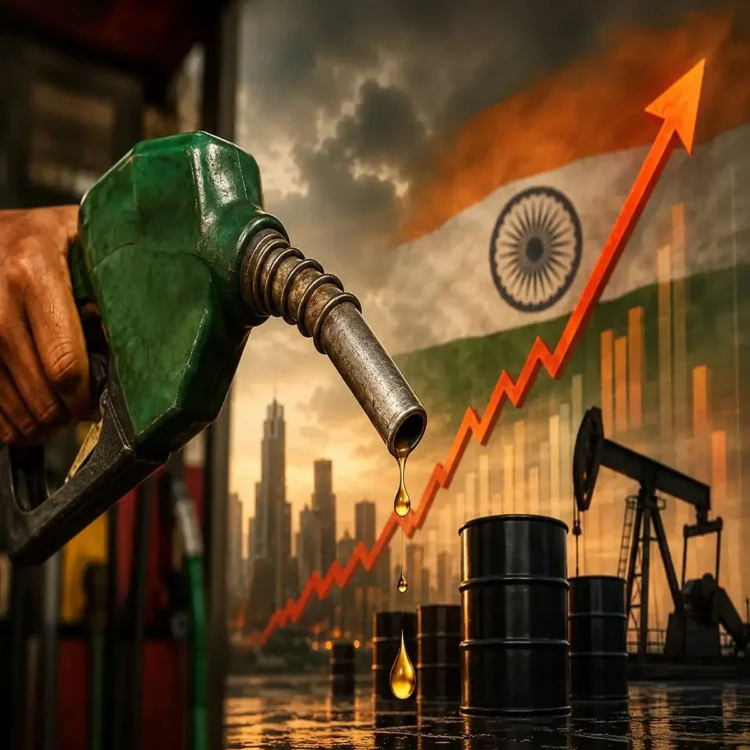
Petrol prices in Rajasthan’s Jaipur climbed to Rs 107.97 per litre, while diesel rates reached Rs 93.23 per litre following the latest revision. The increase comes as international crude oil prices remain elevated due to tensions in West Asia and disruptions affecting major oil supply routes.
Jaipur Sees Sharp Increase in Fuel Rates
The revised rates pushed petrol prices in Jaipur up by Rs 3.25 per litre from the earlier price of Rs 104.72. Diesel prices also moved higher by Rs 3.02 per litre, rising from Rs 90.21. Similar changes were implemented in other parts of the country as oil marketing companies adjusted retail prices after the Centre’s decision.
In New Delhi, petrol prices increased from Rs 94.77 to Rs 97.77 per litre. Diesel prices in the national capital also rose, moving from Rs 87.67 to Rs 90.67 per litre.
West Asia Conflict Continues to Affect Energy Markets
The latest fuel price revision has been linked to the ongoing geopolitical tensions in West Asia, which have raised concerns over global crude oil supplies. The Strait of Hormuz, considered one of the world’s most important oil transit routes, has witnessed disruptions that are impacting international shipping and fuel trade.
Brent crude prices have remained above the USD 100 per barrel mark for several months as tensions involving the United States, Israel and Iran continue to affect the region. Analysts believe uncertainty surrounding oil transportation and production has added pressure on importing nations, including India.
Several countries in West Asia are among the world’s largest energy exporters, making the region critical for global fuel supply chains. Continued instability has therefore led to rising transportation and refining costs in multiple economies.
Government Assures Adequate Fuel Availability
Despite the increase in international crude prices, the Union government has maintained that domestic fuel availability remains stable. Earlier this week, Union Petroleum and Natural Gas Minister Hardeep Singh Puri stated that India continues to maintain uninterrupted fuel supplies and sufficient reserves.
According to the minister, there have been no reports of fuel shortages in any part of the country. He also said that Indian refineries are operating efficiently to meet domestic demand despite fluctuations in the global energy market.
Officials have indicated that the government is closely monitoring international developments and supply chain movements to avoid disruptions in fuel distribution.
PM Modi Calls for Reduced Dependence on Imported Fuel
Prime Minister Narendra Modi recently appealed to citizens to support measures aimed at strengthening the country’s economic resilience during the ongoing global energy uncertainty. He encouraged people to reduce unnecessary fuel consumption and adopt more sustainable alternatives wherever possible.
Among the suggestions made were increased use of work-from-home arrangements, reduced foreign travel, adoption of locally manufactured products and greater focus on environmentally friendly practices. The Prime Minister also urged citizens to make wider use of public transportation systems, including metro rail networks and shared transport options.
He additionally recommended greater adoption of electric vehicles and increased dependence on railway transportation for goods movement to reduce fuel demand.
Delhi Government Announces Measures to Cut Fuel Consumption
Following the Centre’s appeal, Rekha Gupta, the Chief Minister of Delhi, announced restrictions on the use of official vehicles by ministers, MLAs and government representatives.
The Delhi government has also encouraged residents to use carpooling and public transport systems more frequently in an effort to lower fuel usage amid rising prices. Authorities believe such measures could help reduce pressure on fuel demand while also supporting efforts to manage urban pollution levels.