
Energy – West Asia Tensions Raise Concerns Over India’s Inflation Outlook
Energy – India’s Finance Ministry has cautioned that the continuing tensions in West Asia may create significant pressure on the country’s economy, particularly if disruptions to oil supplies continue over an extended period. In its April monthly economic review, the ministry highlighted that such disturbances could lead to a supply shock, pushing inflation higher in the months ahead.
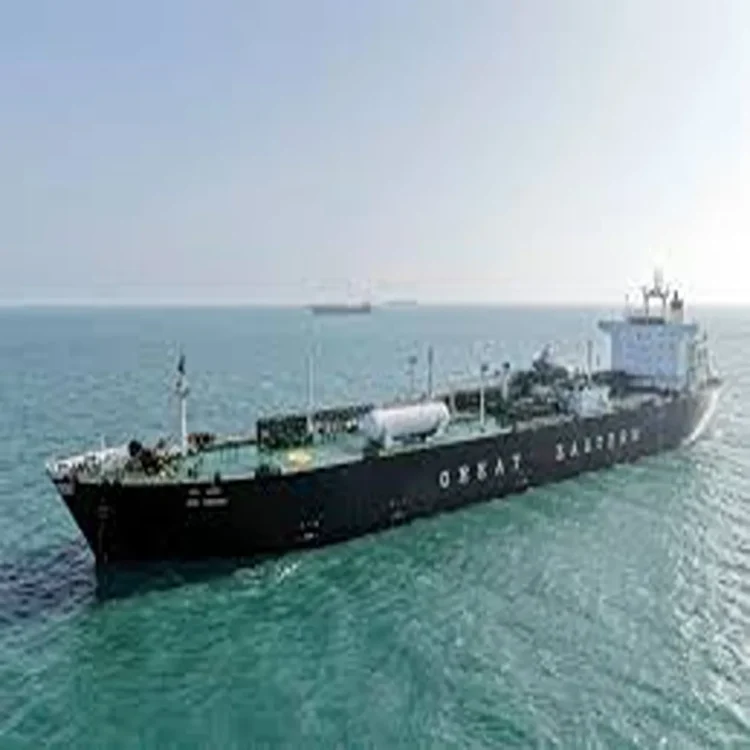
Oil Infrastructure Damage May Delay Recovery
According to the report, damage to oil and gas production facilities in the Gulf region is unlikely to be resolved quickly. Restoring these critical systems could take several months, depending on the scale of destruction and logistical challenges. A prolonged recovery period may tighten global oil availability, which directly impacts countries like India that rely heavily on imports.
The ministry noted that a slow return to normal supply conditions could have wider consequences, especially if domestic agricultural output fails to provide support. A weak monsoon season would further complicate the situation.
Monsoon Uncertainty Adds to Economic Risks
Weather forecasts have introduced another layer of concern. The India Meteorological Department has indicated the possibility of El Nino conditions, which are often associated with reduced rainfall. If this leads to a weaker kharif crop, food production could decline, adding upward pressure on prices.
The report explained that a combination of rising energy costs and lower agricultural output could intensify inflationary trends. In such a scenario, price increases may not remain limited to headline inflation but could extend into core inflation as well.
Strong Growth Meets External Challenges
Despite these risks, India enters the new financial year with a relatively strong economic foundation. The country recorded a real GDP growth rate of 7.6 percent in the previous fiscal year, and current projections place growth for the upcoming year between 7 and 7.4 percent.
However, external uncertainties linked to geopolitical tensions are casting a shadow over this outlook. The ministry emphasized that while domestic demand remains steady, global developments could influence overall economic stability.
Rising Costs Likely to Impact Industries
The report pointed out that signs of a supply shock are already visible in the form of rising prices and concerns over weakening demand. Increased costs in the petroleum sector are expected to ripple through various industries, as many sectors depend heavily on fuel and energy inputs.
Businesses may begin passing these higher costs on to consumers in order to maintain profit margins. This shift could result in a cost-push inflation pattern, where price increases are driven by higher production expenses rather than demand.
Broader Effects on Trade and Financial Flows
In addition to inflation, the ministry warned that ongoing tensions could disrupt global trade and financial systems. Supply chain interruptions, fluctuations in capital flows, and uncertainty in international markets could all affect India’s economic environment.
At the same time, certain domestic factors may offer some protection. Strong internal demand, continued government spending on infrastructure, and a stable financial system are expected to provide a degree of resilience against external shocks.
Uncertainty Over Long-Term Impact
Even with these safeguards, the ministry acknowledged that the situation remains unpredictable. If disruptions to energy and fertiliser supplies persist for a prolonged period, the impact could be more severe than currently anticipated.
The report also highlighted that adverse weather conditions could widen fiscal and external deficits while slowing economic growth. These combined challenges make it difficult to assess how effectively existing buffers will hold up under sustained pressure.