
Energy Conservation – Gujarat Rolls Out Statewide Power Saving Drive Across Government Offices
Energy Conservation – Gujarat has introduced a comprehensive energy conservation initiative aimed at reducing electricity consumption across government institutions while ensuring uninterrupted administrative operations.
Government Introduces Mandatory Energy-Saving Measures
The Gujarat government has launched a large-scale energy efficiency campaign covering all government departments, semi-government organizations, public sector undertakings, boards, corporations and public buildings. As part of the initiative, every office has been directed to maintain air conditioners at a default temperature of 24 degrees Celsius and prepare a detailed Office Energy Efficiency Action Plan within the next 45 days.
The campaign has been jointly introduced by the Energy and Petrochemicals Department and the Roads and Buildings Department. Officials said the objective is to cut unnecessary power consumption, lower operational costs, improve financial discipline and support environmentally responsible governance without affecting routine public services.
Offices to Follow Strict Electricity Usage Guidelines
Under the new directives, all electrical appliances including lights, fans, air conditioners and computer systems must be switched off once office hours end, as well as during weekends and public holidays. Department heads have been instructed to ensure regular monitoring so that electrical equipment inside cabins of officers who are on leave or away on official assignments is not left running.
Each major department will appoint a designated nodal officer responsible for supervising compliance with the new energy-saving measures. The state has also aligned its air conditioner temperature policy with recommendations issued by the Bureau of Energy Efficiency, making 24 degrees Celsius the standard setting across government offices.
Automation and Efficient Equipment to Reduce Wastage
To prevent electricity loss caused by manual operation, occupancy sensors and timer-controlled automation systems will gradually be installed in meeting rooms, office corridors, parking areas and washrooms. Water coolers will also remain switched off after 6 p.m. and will only be restarted after 9 a.m. on working days.
The government has further announced that conventional lighting systems in public buildings will be replaced with LED lighting in phases. Future procurement policies will prioritize only five-star rated electrical equipment to improve long-term energy efficiency.
Street Lighting and Renewable Energy Receive Attention
As part of the urban energy-saving strategy, municipal corporations and municipalities will synchronize street lighting managed through the Centralised Control Monitoring System with actual sunrise and sunset timings. Officials estimate that this adjustment alone could reduce electricity usage by nearly one hour every day.
Additionally, selected urban areas will begin a pilot project under which alternate street lights will remain switched off between midnight and 4 a.m. during periods of minimal traffic, helping lower power consumption without significantly affecting public safety.
Departments have also been encouraged to promote the use of staircases instead of elevators in multi-storey buildings through awareness campaigns and informational displays. Offices are expected to maximize the use of natural daylight wherever possible to reduce dependence on artificial lighting.
Solar Systems, Audits and Performance Monitoring
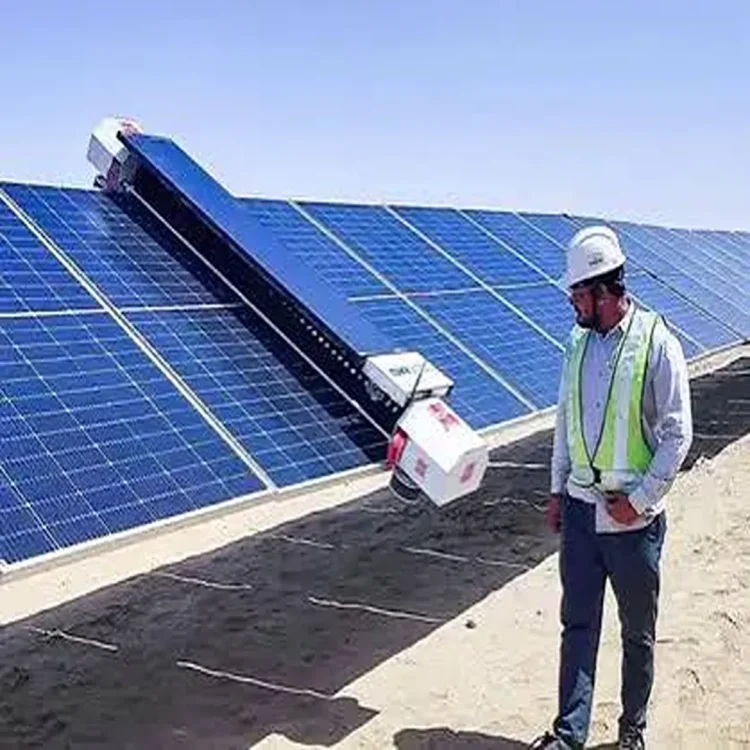
Government buildings with suitable open spaces have been advised to plan the installation of solar power systems. The Gujarat Energy Development Agency (GEDA) will inspect existing solar installations and ensure that non-operational systems are repaired and restored to their intended performance levels.
Every department must submit its Office Energy Efficiency Action Plan to GEDA within 45 days. Quarterly reports on electricity consumption will also be mandatory, while annual third-party energy audits will be conducted to assess compliance and identify additional opportunities for improvement.
Officials stated that the initiative is being implemented under the guidance of Chief Minister Bhupendra Patel and Energy and Petrochemicals Minister Rushikesh Patel. The government believes the campaign will strengthen energy efficiency, encourage wider adoption of renewable energy, reduce public expenditure and support sustainable development while maintaining smooth administrative functioning.