
Encroachment – Supreme Court Orders Bihar to Clear Illegal Ganga Floodplain Structures
Encroachment –The Supreme Court has issued fresh directions to strengthen the protection of river floodplains, ordering Bihar to remove illegal structures along a key stretch of the Ganga in Patna while also seeking detailed reports from several states on encroachments affecting major rivers.
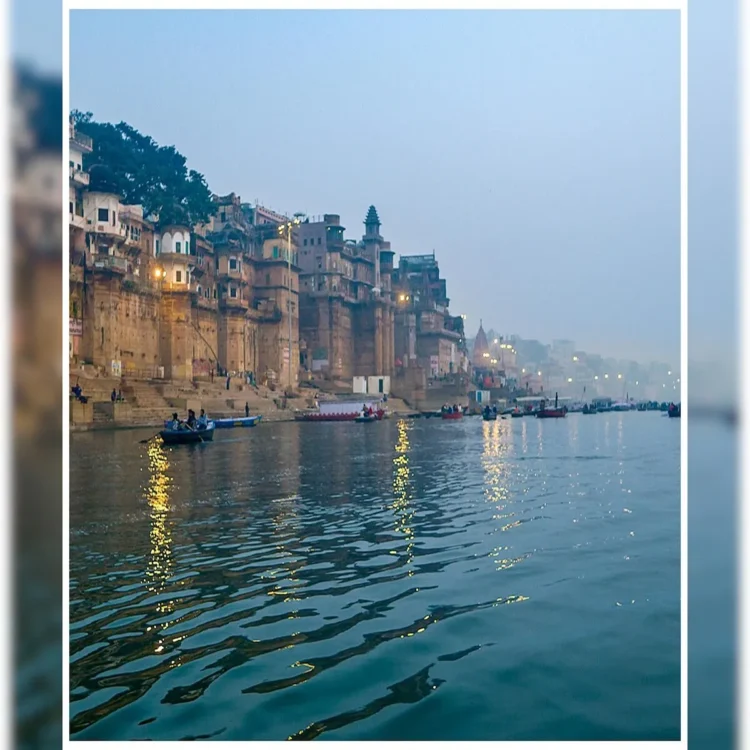
The Supreme Court has described illegal constructions and encroachments on the Ganga River and its tributaries as a matter of grave concern, directing the Bihar government to clear all unauthorised structures located between Nauzar Ghat and Nurpur Ghat in Patna within six weeks. The state has also been instructed to submit a compliance report before the court by September 23, highlighting the actions taken to implement the order.
Court directs immediate enforcement
A Bench comprising Justices J.B. Pardiwala and K.V. Viswanathan clarified that the Bihar government must implement the directions regardless of any other court orders that may currently be in force. The Bench issued the order while hearing a civil appeal filed by Patna resident Ashok Kumar Sinha, who had challenged a National Green Tribunal decision dismissing his petition concerning illegal development on the Ganga floodplains.
Sinha argued that unauthorised construction activity had expanded significantly along the riverbanks, allegedly violating the River Ganga (Rejuvenation, Protection and Management) Authorities Order, 2016, framed under the Environment (Protection) Act, 1986. According to the petition, such activities threaten the ecological health of the river and undermine existing environmental safeguards.
Previous findings highlighted before the Bench
During the hearing, senior counsel Akash Vashishtha referred to the Supreme Court’s earlier order dated March 12, 2026, which had already recorded the existence of hundreds of encroachments between Nauzar Ghat and Nurpur Ghat. He informed the Bench that despite those findings, meaningful action had not yet been taken by the authorities to remove the illegal structures.
Taking note of the submission, the court reiterated the need for swift enforcement and directed the state administration to complete the removal exercise within the prescribed timeline.
Yamuna construction in Vrindavan also comes under scrutiny
The Bench also examined a separate issue involving extensive construction activity reportedly taking place within the Yamuna River channel in Vrindavan. The matter was brought before the court through applications filed by the Braj-Vrindavan Devalaya Samiti, representing temples and traditional religious functionaries in the town.
Counsel appearing for the Samiti, Shubham Upadhyay, presented photographs that allegedly showed large-scale use of cement, concrete, iron and steel in the riverbed. He informed the court that the construction was being undertaken in the name of extending river ghats but had expanded deep into the river channel.
According to the submissions, the ongoing work has considerably narrowed the natural flow of the Yamuna, raising concerns about its environmental impact and long-term ecological sustainability.
Status quo ordered in Uttar Pradesh
After considering the material placed before it, the Supreme Court ordered that the existing situation at the Vrindavan site be maintained until the next hearing. It also directed the Uttar Pradesh government not to carry out any further construction at the location during this period.
The court issued notice to the Uttar Pradesh government and allowed the intervention application filed by the Braj-Vrindavan Devalaya Samiti. It further instructed the state authorities to file a comprehensive report explaining the nature, purpose and status of the construction activity.
States asked to submit river encroachment details
Expanding the scope of the proceedings, the Supreme Court also added Himachal Pradesh and Madhya Pradesh as parties to the case, alongside the nine Ganga basin states already involved. The Bench directed all concerned states to provide detailed information on river encroachments, floodplain demarcation and measures undertaken to remove illegal occupations.
The court warned that failure to furnish the required information within the stipulated timeframe could result in the Chief Secretaries of the concerned states being summoned to explain the delay. The directions underline the court’s continued focus on protecting river ecosystems and ensuring compliance with environmental regulations across multiple states.