
EmergencyServices – Andhra Pradesh Strengthens Ambulance Network With Advanced Upgrades
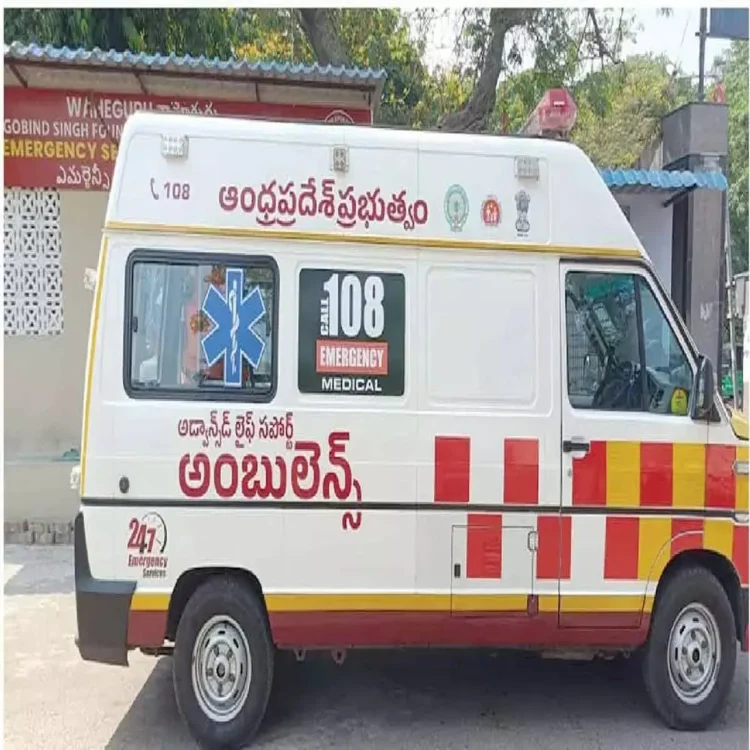
EmergencyServices – The Andhra Pradesh government has introduced a major overhaul of its 108 Ambulance Emergency Services, aiming to provide faster and more efficient medical assistance across the state. The upgraded system combines modern technology with improved emergency care practices, helping medical teams respond quickly during critical situations where timely intervention can save lives.
Technology-Driven Improvements Enhance Emergency Response
Developed in collaboration with Bhavya Health Care, the enhanced ambulance network now uses advanced GPS monitoring, live traffic navigation, and digital patient record management. These improvements allow emergency teams to identify the fastest routes and reach patients more efficiently. The focus remains on ensuring treatment begins within the crucial “Golden Hour,” a period widely recognized as critical for improving survival outcomes after serious medical incidents.
Official data shows that between June 2025 and May 2026, the 108 Ambulance Service attended 7,78,799 emergency calls across Andhra Pradesh, serving both urban centres and remote rural communities.
Support for Accident Victims and Maternal Healthcare
During the reporting period, emergency personnel provided immediate medical assistance to 1,13,764 road accident victims at incident locations before transporting them to healthcare facilities. The service also played a significant role in maternal healthcare, helping 1,05,786 pregnant women reach specialized hospitals and maternity centres safely.
Authorities believe these timely interventions have contributed to ongoing efforts aimed at reducing maternal and infant mortality rates while ensuring better access to emergency medical care.
Large-Scale Operations Across Diverse Medical Emergencies
The ambulance service managed its operations through two key categories. Inter-Facility Transfers accounted for 2,53,022 cases, involving the movement of critically ill patients between hospitals for advanced treatment. Meanwhile, Non-IFT emergency responses totalled 5,25,777 cases, covering accidents, medical emergencies at homes, and urgent situations in distant locations.
The service responded to a wide range of health emergencies throughout the year. Respiratory-related cases reached 97,118, while medical teams handled 45,951 cardiac emergencies. Ambulances equipped with advanced life-support systems and defibrillators helped provide immediate care before patients arrived at hospitals.
In addition, crews assisted 40,553 unconscious patients and treated 49,342 trauma-related injuries. Emergency teams also managed several other serious conditions, including 32,858 poisoning incidents, 29,485 seizure cases, 20,278 stroke-related emergencies, and 14,007 newborn medical emergencies requiring urgent attention.
Advanced Cardiac Care During Transit
One of the notable features of the upgraded system is its enhanced cardiac emergency support. Ambulance teams can now transmit patients’ vital health information directly to hospital emergency departments while travelling. This enables doctors to prepare in advance and begin treatment planning before the patient arrives.
Emergency Medical Technicians working within the network have received advanced training to improve patient stabilization procedures and provide reassurance during transportation, helping improve the overall quality of emergency care.
Growing Public Confidence in the 108 Service
According to representatives from Bhavya Health Care, continuous investment in technology, workforce training, and faster response systems has strengthened the reliability of the 108 Ambulance Service. The organization stated that its objective remains focused on creating a dependable emergency support network capable of serving people during their most critical moments.
The upgraded ambulance service has received positive feedback from communities across Andhra Pradesh. Whether in densely populated cities or remote tribal regions, the round-the-clock toll-free service has become an important part of the state’s healthcare system, reflecting the government’s continued emphasis on accessible and welfare-oriented public services.