
Elections – Rahul Gandhi Raises Concerns Over Bengal and Assam Results
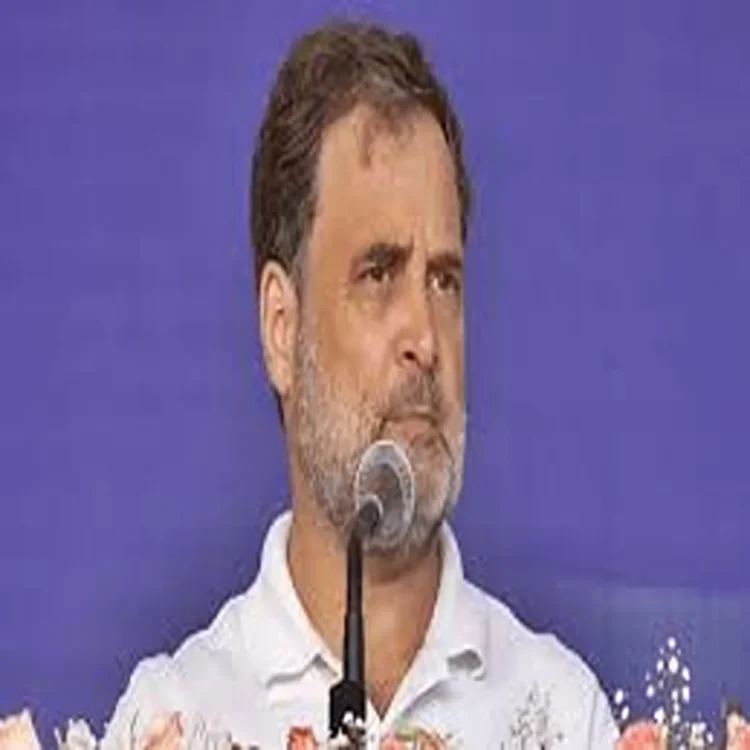
Elections – Congress leader Rahul Gandhi on Tuesday expressed concern over reactions within his own party following the defeat of the Trinamool Congress in the West Bengal Assembly elections. He urged party members to avoid celebrating the outcome, framing the broader situation as a serious challenge to democratic principles in the country.
Criticism of Internal Reactions
Gandhi took to social media to caution Congress leaders and others against what he described as misplaced celebration. He stressed that the focus should not be on political rivalry but on what he believes are deeper issues affecting the electoral process. According to him, recent developments in West Bengal and Assam should be viewed through the lens of safeguarding democratic values rather than partisan gains.
He emphasised that political differences should be set aside in moments that impact the integrity of the system. His remarks appeared aimed at fostering a unified stance among opposition parties.
Allegations Surrounding Election Process
The Congress leader also reiterated concerns about the conduct of elections, aligning himself with claims previously raised by West Bengal Chief Minister Mamata Banerjee. Gandhi alleged that the outcomes in both West Bengal and Assam reflected irregularities, suggesting that electoral mandates had not been fairly represented.
He pointed to past elections in several states as examples where similar concerns had been raised, arguing that these patterns warrant closer scrutiny. His statements contribute to an ongoing political debate over the credibility of electoral processes in recent years.
Decisive Shift in West Bengal
The election results in West Bengal marked a significant political shift. The Bharatiya Janata Party secured a commanding majority, winning 206 seats in the 294-member Assembly. This victory ends the 15-year rule of the Trinamool Congress in the state.
The Trinamool Congress, which had been dominant in previous elections, managed to secure 81 seats. A notable development was the defeat of Chief Minister Mamata Banerjee in her Bhabanipur constituency, where she lost by a margin exceeding 15,000 votes.
The results also revealed regional changes in voter preferences. The Trinamool Congress failed to secure any seats in several districts, including Cooch Behar, East Midnapore, Jalpaiguri, and Darjeeling. Additionally, the party lost ground in constituencies with significant tribal and Matua populations.
Performance of Other Parties
Other political parties had limited success in the West Bengal elections. The Congress won two seats, while the CPI(M) secured one. Smaller parties such as the AISF and the Aam Janata Unnayan Party also gained minimal representation.
Election authorities announced that results for one constituency, Falta in South 24 Parganas district, are pending due to repolling scheduled later in May. The final composition of the Assembly will be confirmed after the completion of this process.
BJP Strengthens Position in Assam
In Assam, the BJP-led alliance achieved a strong victory, further consolidating its presence in the state. The party secured 82 seats, comfortably ahead of its rivals.
The Congress, which had hoped to improve its standing, won 19 seats, reflecting a significant gap between the ruling alliance and the opposition. The results underline the BJP’s continued influence in the northeastern region.
Broader Political Implications
The outcomes in West Bengal and Assam have triggered discussions across the political spectrum. While the BJP views the results as a clear endorsement of its policies and leadership, opposition leaders have raised questions about the electoral process and its fairness.
Rahul Gandhi’s remarks highlight growing tensions within opposition ranks regarding strategy and messaging in the wake of these results. His call for unity suggests an attempt to shift the focus from individual party performance to broader institutional concerns.
As political parties assess the implications of these elections, the debate around democratic processes and electoral integrity is likely to remain a central theme in national discourse.