
Elections – Left Front Focuses on Jobs to Win Back Young Voters
Elections – The CPI(M)-led Left Front has placed job creation at the centre of its campaign strategy for the upcoming West Bengal Assembly elections, aiming to reconnect with young voters who have gradually drifted away in recent years.
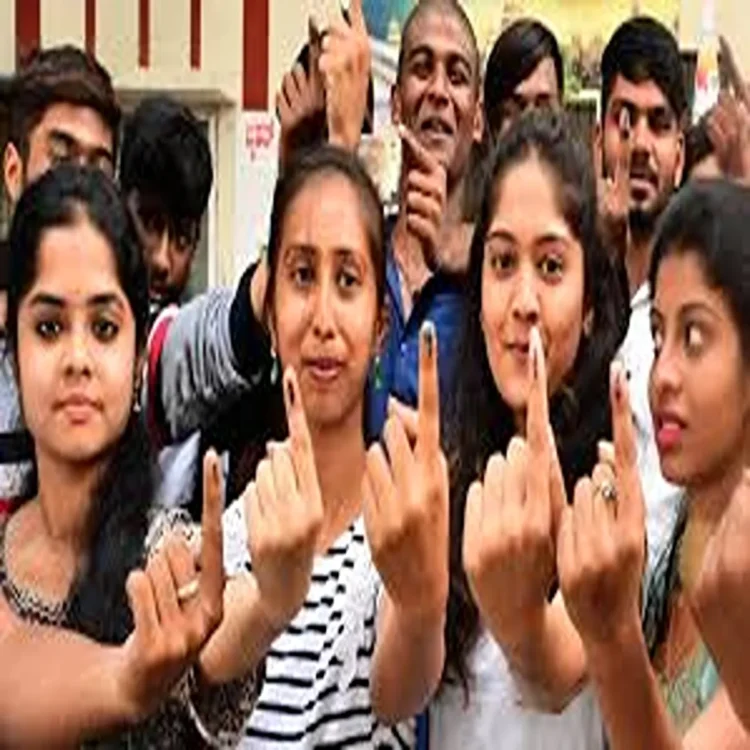
Job creation becomes central campaign theme
Senior party leader Samik Lahiri stated that employment generation remains the foremost issue in the Left Front’s campaign. According to him, a significant number of people across skill levels have migrated out of the state due to limited job opportunities. He noted that addressing this concern is essential to rebuilding public confidence, especially among the youth.
The alliance is preparing to release its election manifesto soon, with employment policies expected to feature prominently. Lahiri indicated that the document is in its final stages and will outline alternative strategies to tackle unemployment in the state.
Youth candidates and volunteers play key role
In an effort to re-engage younger sections of society, the Left Front has fielded several young candidates. Alongside them, a large base of young volunteers is actively participating in campaign activities. Party leaders believe this approach will help bridge the disconnect that has widened over multiple election cycles.
The Left Front has already declared candidates for 224 out of the total 294 assembly constituencies. Its allies, including CPI(ML)-Liberation and the Indian Secular Front, are also set to contest as part of the broader coalition.
Focus on grassroots outreach over large rallies
The campaign strategy emphasises direct interaction with voters rather than large public gatherings. Party workers and candidates are conducting door-to-door visits and holding small neighbourhood meetings to discuss local concerns.
Lahiri highlighted that this method allows for meaningful conversations with voters and helps identify issues at the community level. According to him, thousands of such meetings have already been organised across the state, reflecting a strong push towards grassroots mobilisation.
Social media outreach targets younger audience
Recognising the growing influence of digital platforms, the Left Front has also strengthened its presence on social media. The party is using platforms such as Facebook, Instagram, and WhatsApp to reach younger voters more effectively.
Unlike larger political parties with significant financial resources, the Left Front relies on its own members and volunteers to create and share campaign content. This includes slogans, short videos, and digital posters. Lahiri described the effort as organic, driven by ideological commitment rather than paid promotion.
Financial limitations shape campaign approach
Party leaders acknowledged that their campaign faces financial constraints compared to major rivals like the Trinamool Congress and the BJP. However, they see this as an opportunity to maintain authenticity, as volunteers are not financially incentivised but motivated by political beliefs.
This reliance on grassroots support and volunteer-driven communication is being positioned as a strength rather than a limitation.
Broader issues raised by party leadership
Another senior leader, Sujan Chakraborty, pointed to a range of governance concerns, including irregularities in the education sector, unemployment, healthcare challenges, and law and order issues. He stated that these matters are central to the party’s broader message of improving governance in the state.
The Left Front is also attempting to regain its lost voter base, which has shifted significantly over the past decade. Its vote share has seen a sharp decline since 2011, and the party is now working to rebuild support through sustained engagement at the local level.
Election schedule and preparations
The West Bengal Assembly elections will take place in two phases on April 23 and April 29, with vote counting scheduled for May 4. As the campaign intensifies, the Left Front continues to focus on direct voter interaction and employment-focused messaging to strengthen its position in the state’s political landscape.