
Elections – Congress Moves Candidates to Safe Locations Amid Gujarat Poll Tensions
Elections – The political atmosphere in Gujarat has intensified as local body elections approach a critical stage, with major parties stepping up their campaigns while also engaging in behind-the-scenes maneuvering. Amid growing concerns over candidate defections, the Congress party has relocated more than 100 of its nominees to undisclosed locations in an effort to prevent alleged poaching attempts.
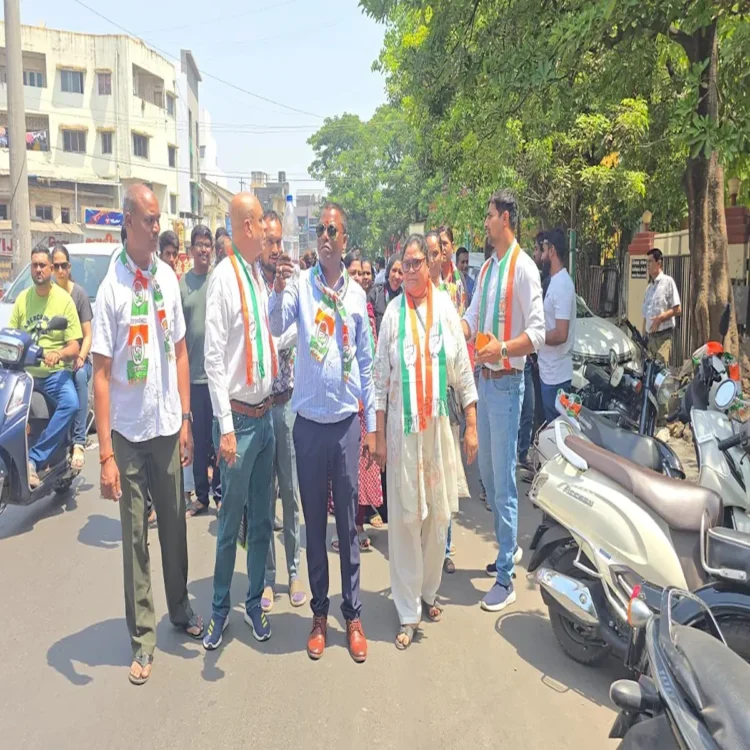
Heightened Political Activity Ahead of Withdrawal Deadline
The elections, which cover 15 municipal corporations, 34 district panchayats, 84 municipalities, and 260 taluka panchayats, are entering a decisive phase. With the deadline for withdrawal of nominations set for April 15, political parties are closely monitoring candidate movements and strategies.
While public campaigning remains visible across the state, internal dynamics reveal a more complex contest involving negotiations, pressure tactics, and strategic withdrawals. The Congress, in particular, has taken precautionary measures, instructing several candidates to remain unreachable and relocate temporarily to avoid external influence.
Allegations of Financial Inducements and Pressure
Senior Congress leader Amit Chavda has accused rival leaders of attempting to lure candidates with financial offers reportedly ranging between ₹20 lakh and ₹30 lakh. He described the situation as deeply concerning, alleging that the electoral process is being compromised.
Chavda further claimed that some candidates have faced intimidation, with visits from law enforcement officials adding to the pressure. According to him, these developments raise serious questions about the fairness of the ongoing electoral process.
BJP Dismisses Claims, Calls Them Baseless
The Bharatiya Janata Party has strongly rejected these allegations. Party spokesperson Dr. Anil Patel stated that such claims are unfounded and reflect internal weaknesses within the Congress. He argued that the accusations are being used as a cover for organizational challenges rather than representing ground realities.
The BJP is believed to be focusing on securing uncontested victories wherever possible, a strategy that has previously worked in its favor. By encouraging withdrawals in certain areas, the party aims to consolidate its position without direct electoral contests.
Large Number of Nomination Rejections Highlights Competition
The scale of participation in the elections has been significant, with more than 20,000 nomination forms submitted across various local bodies. However, during the scrutiny process, 9,819 nominations were rejected statewide.
This included 1,934 rejections in municipal corporations, 1,164 in municipalities, and a substantial 6,721 in district and taluka panchayats. The high number of rejections indicates intense competition, especially at the grassroots level, where local dynamics often play a crucial role.
Tragic Incident Raises Concerns
In a separate development, an election official in Gujarat’s Umargam died by suicide shortly after the nomination scrutiny process concluded. According to initial reports, the individual stepped in front of a moving train late at night near the local railway station.
Authorities have confirmed that the body was recovered in a severely mutilated condition. Police have launched an investigation to determine the circumstances surrounding the incident, including whether work-related pressure may have been a contributing factor.
A Complex Electoral Battle Unfolds
As Gujarat moves closer to polling day, the political environment continues to evolve rapidly. With major parties including the BJP, Congress, and Aam Aadmi Party actively contesting, the elections are shaping up to be a significant test of organizational strength and local influence.
While campaign rallies and public outreach remain central to the process, the underlying concerns over candidate security, alleged inducements, and strategic withdrawals highlight the complex nature of electoral politics at the local level.
The coming days are expected to play a crucial role in determining how these dynamics influence the final outcomes.