
Elections – Bengal Assembly Polls Witness Rare Violence-Free Voting Phase
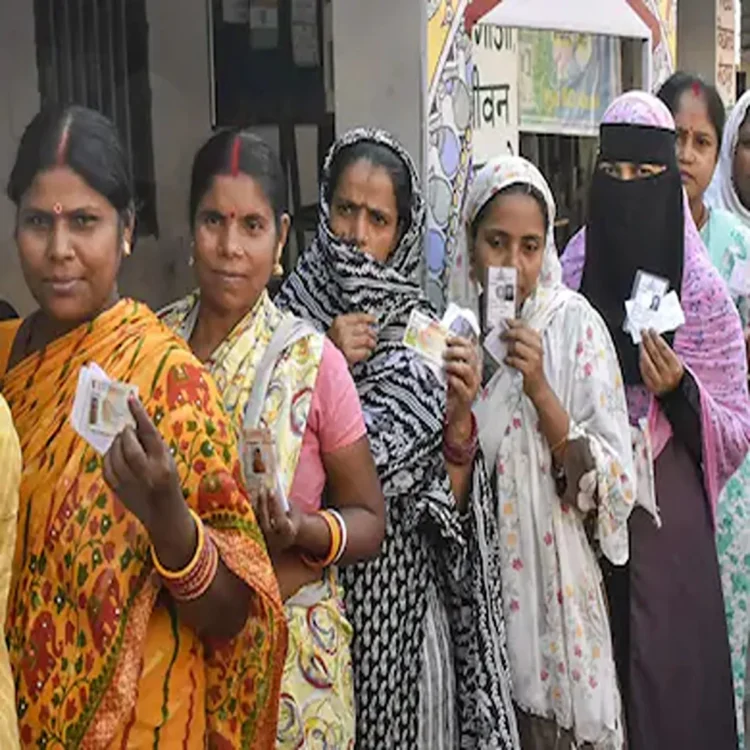
Elections – The recent Assembly elections in West Bengal have drawn attention for an uncommon development: not a single death linked to polling activity. This marks a significant departure from the state’s history, where elections over the past decade—whether Assembly, parliamentary, or local—have often been accompanied by violence.
Extensive Security Planning Behind Peaceful Voting
Election authorities credit this outcome to meticulous planning and a strong security presence. Nearly 2,400 companies of central armed forces were stationed across the state, ensuring tight control in sensitive areas. In addition, an unprecedented number of general and police observers were assigned to monitor proceedings closely at ground level.
Officials indicated that these measures were based on lessons learned from earlier elections, where insufficient deployment and monitoring were seen as contributing factors to unrest. This time, authorities aimed to eliminate those gaps by strengthening coordination between agencies and increasing vigilance.
Electoral Roll Revision Sparks Debate
Before voting began, a Special Intensive Revision of voter lists was carried out. While intended to improve accuracy, the exercise became a point of contention. Several political groups and individuals raised concerns, alleging that the revision process lacked neutrality and could potentially benefit certain parties.
Legal challenges were filed questioning both the purpose and execution of the revision. Critics argued that the process may have been influenced by external pressures. However, the judiciary reviewed these claims and upheld the actions of the Election Commission, reaffirming its authority under constitutional provisions to conduct elections fairly.
Courts Support Election Commission’s Authority
Both the Calcutta High Court and the Supreme Court examined the complaints surrounding the electoral roll revision and ultimately ruled in favor of the Election Commission. The courts emphasized the Commission’s constitutional responsibility to ensure free and fair elections, providing institutional backing to its decisions.
This legal endorsement strengthened the Commission’s position and allowed the election process to move forward without further disruption, despite the earlier controversy.
Focus Shifts to Post-Result Security
Although polling concluded peacefully, authorities remain cautious about the period following the announcement of results. Historically, this phase has seen heightened tensions and incidents of violence in the state.
To prevent such situations, Kolkata Police introduced restrictions on victory celebrations. Officials stated that any rallies or processions would require prior approval and must comply with strict guidelines. The move aims to reduce the risk of confrontations between rival political supporters.
Tight Monitoring During Counting Process
Security arrangements have also been extended to the counting phase. The Election Commission deployed 432 observers to oversee vote counting across 293 constituencies. This step is intended to maintain transparency and ensure that procedures are followed correctly until the final results are declared.
Meanwhile, polling in one constituency—Falta in South 24 Parganas—was cancelled and is scheduled to be conducted again later this month.
A Potential Model for Future Elections
The combination of heavy security deployment, detailed oversight, and proactive restrictions appears to have played a key role in preventing violence during the elections. Observers note that this approach could serve as a model for other states with a history of electoral tensions.
However, its long-term effectiveness will depend on consistent implementation and acceptance by political stakeholders. For now, the West Bengal election stands as an example of how coordinated planning and firm enforcement can significantly reduce election-related violence, provided vigilance continues through the post-result period