
EducationPolicy – Jharkhand JTET Rule Changes Trigger Political and Public Concerns
EducationPolicy – The recent approval of revised rules for the Jharkhand Teacher Eligibility Test (JTET) by the state Cabinet on April 28 has sparked a political dispute, with the Bharatiya Janata Party (BJP) raising strong objections. The party has described the decision as unfair and detrimental to a large section of the population, particularly in certain districts where language plays a crucial role in eligibility.
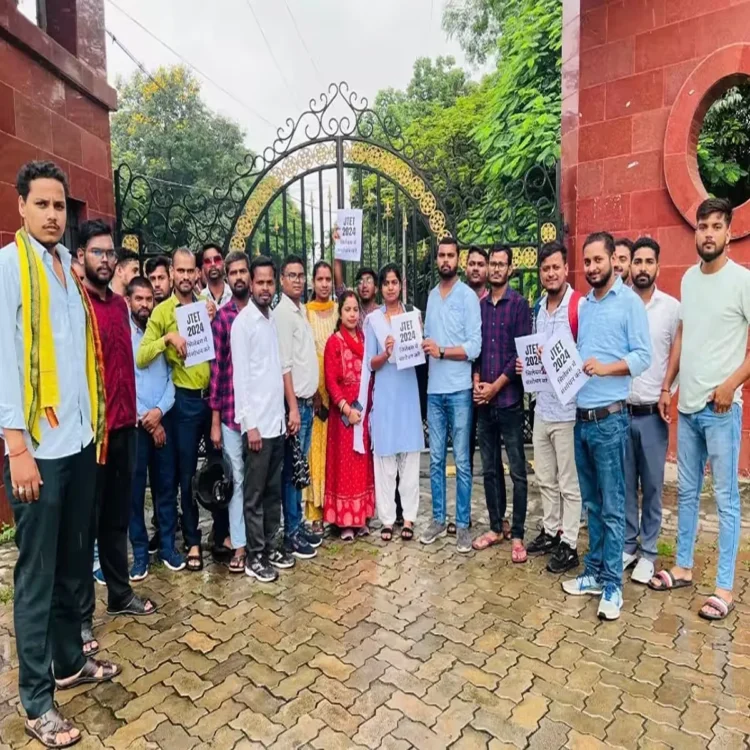
BJP Raises Concerns Over Language Exclusion
Speaking to reporters in Ranchi, BJP state vice president and former Health Minister Bhanu Pratap Shahi criticized the government’s move, arguing that the new rules disregard the linguistic realities of millions of residents. He claimed that around five million people in the Palamu region, who primarily speak Bhojpuri and Magahi, could be negatively affected by the changes.
According to Shahi, the exclusion of these widely spoken languages from the eligibility framework undermines the prospects of local youth aspiring to become teachers. He maintained that the policy fails to reflect the cultural and linguistic diversity of the region.
Cabinet Decision Sparks Debate on Regional Languages
Under the newly approved framework, Nagpuri has been recognized as a regional language for the districts of Palamu and Garhwa. However, this decision has drawn criticism from local communities who have long demanded the inclusion of Bhojpuri and Magahi in the same category.
Residents argue that these languages are deeply rooted in the region’s identity and are widely used in daily life. By not granting them official recognition in the JTET criteria, many candidates may find themselves ineligible to participate in the examination process.
Impact on Aspirants and Local Communities
The controversy has intensified as concerns grow over the potential impact on employment opportunities. Critics say that labeling Bhojpuri and Magahi as “non-local” languages could prevent a significant number of candidates from qualifying for teaching positions, even if they meet other requirements.
Shahi emphasized that the people of Palamu and Garhwa are native to the region and have historically spoken these languages. He argued that denying them recognition in official recruitment processes effectively sidelines a large section of deserving candidates.
Broader Regional Implications
The issue is not limited to Palamu and Garhwa. Similar concerns have been raised in districts such as Godda, where Angika and Maithili are commonly spoken. According to BJP leaders, these languages also represent the cultural heritage of local populations and should be considered in eligibility norms.
The party has warned that ignoring these linguistic groups could lead to widespread dissatisfaction. It believes that the decision may influence public sentiment, especially among young job seekers who see government teaching positions as a stable career option.
Growing Public Reaction
Reports suggest that the decision has led to increasing unrest across the Palamu division. Local organizations and community groups have begun voicing their concerns, calling for a reconsideration of the rules. Many argue that a more inclusive approach is necessary to ensure equal opportunities for all linguistic communities.
Political observers note that the issue could become a significant talking point in the coming months. With employment and regional identity at stake, the debate over JTET rules is expected to remain in focus.
Calls for Policy Review
The BJP has urged the state government to revisit the decision and engage in dialogue with affected communities. Party leaders have stressed the need for policies that reflect ground realities and do not inadvertently exclude large sections of the population.
As discussions continue, the situation highlights the complex relationship between language, identity, and employment in Jharkhand. Whether the government will modify its stance remains to be seen, but the demand for a more inclusive framework is growing steadily.