
EducationDispute – High Court Verdict on Bhojshala Maintains Calm in Dhar
EducationDispute – The atmosphere in Madhya Pradesh’s Dhar district remained calm and orderly after the Indore Bench of the Madhya Pradesh High Court delivered a major ruling on the long-standing Bhojshala-Kamal Maula complex dispute. Authorities confirmed that security arrangements and administrative coordination helped maintain peace across the region following the judgment.
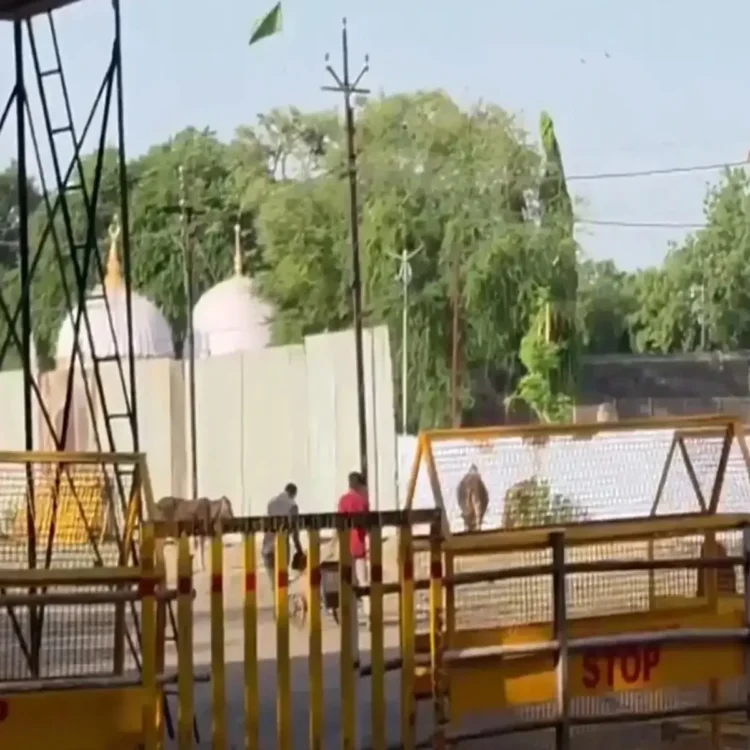
Court Declares Bhojshala as Saraswati Temple
In its recent decision, the High Court stated that the religious identity of the disputed site is that of Bhojshala, which it recognised as a temple dedicated to Goddess Saraswati. The ruling also cancelled a 2003 arrangement introduced by the Archaeological Survey of India (ASI), which had earlier limited Hindu worship within the complex while permitting Friday prayers for members of the Muslim community.
The Court further instructed the Union Government and the ASI to handle the future administration and management of the Bhojshala temple. At the same time, the ASI will continue supervising preservation work and regulation of religious practices at the protected monument under the provisions of the ASI Act, 1958.
Administration Implements Security Measures
Following the verdict, district officials closely monitored the situation to ensure law and order remained unaffected. According to local authorities, no reports of violence, protests, or public unrest were recorded anywhere in Dhar district.
Dhar City Superintendent of Police Sujawal Jagga said that the High Court’s instructions and ASI guidelines were implemented smoothly. He added that worship activities at Bhojshala and Friday prayers in nearby mosques were carried out peacefully under the revised arrangements.
Police personnel and administrative officers remained deployed in sensitive areas throughout the day as a precautionary measure. Officials said cooperation from local residents played an important role in maintaining communal harmony.
Muslim Community Calls for Peaceful Resolution
Reacting to the court order, Kamal Maula Welfare Society President Abdul Samad said members of the Muslim community respected constitutional norms and chose to prioritise peace. He explained that although an application had been submitted requesting permission for prayers, authorities later withdrew approvals shortly before the weekend and issued advisories aimed at preventing tension.
Samad stated that many residents offered Friday prayers inside their homes, nearby mosques, rooftops, and open residential spaces where mosque facilities were unavailable. He stressed that the community did not wish to hurt the religious sentiments of others and remained committed to maintaining harmony in the city.
He also expressed hope that the matter could eventually be reviewed by the Supreme Court in the future regarding traditional prayer rights linked to the site.
Historical Dispute Returns to National Attention
The Bhojshala-Kamal Maula complex has remained a subject of religious and legal disagreement for many years. The site is considered sacred by Hindus, who identify it as an ancient Saraswati temple, while sections of the Muslim community have historically offered prayers there as well.
The latest High Court ruling has once again brought national focus to the issue, particularly regarding management rights and religious access at historically disputed monuments. Legal experts believe the judgment may influence future discussions surrounding heritage sites governed under archaeological protection laws.
Despite the sensitive nature of the dispute, authorities in Dhar highlighted that residents from both communities cooperated with official instructions and maintained peace after the verdict.
ASI to Continue Supervisory Role
The Court clarified that while decisions regarding administration and management would now be taken by the Union Government and the ASI, the archaeological body would continue exercising authority over conservation, preservation, and regulation at the monument.
Officials said the ASI’s role would remain essential in ensuring the site’s historical structure and protected status are maintained while religious activities continue according to the new legal framework.