
Education – CIC Questions DDA Over School Land Transparency Issue
Education – The Central Information Commission has raised serious concerns over the lack of transparency in the allocation of public land to private educational institutions in Delhi. The Commission questioned the Delhi Development Authority for refusing to disclose key information under the Right to Information Act, emphasizing that the issue directly affects thousands of students and their families.
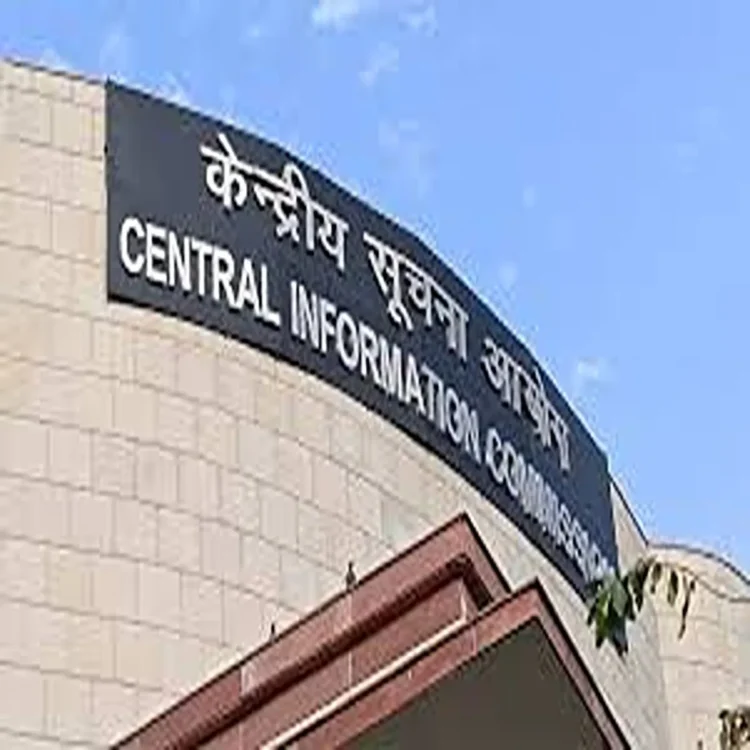
RTI Application Raises Key Questions
The matter came to light after an applicant filed a request seeking details about a school located in Ashok Vihar Phase-3. The query focused on whether the land allotted to the institution was provided at market rates or at a concessional price. It also sought clarity on the specific conditions attached to the allotment.
According to the applicant, the school has described itself as a “self-owned” entity. This claim, it was argued, has been used to justify repeated increases in fees, impacting nearly 6,000 students. The applicant maintained that access to land-related details is crucial to determine whether such fee hikes are reasonable.
DDA Denies Information Request
In response, the Delhi Development Authority declined to share the requested details. The authority cited provisions under Section 8 of the RTI Act, stating that the information sought was personal in nature and not linked to any public activity or interest. This exemption is typically used to protect sensitive personal data from disclosure.
The decision drew criticism from the applicant, who argued that land allotted by a public authority cannot be treated as private information, especially when it concerns institutions serving a large number of students.
Appeal Fails to Provide Relief
Following the initial denial, the applicant approached the First Appellate Authority, hoping for reconsideration. However, the authority upheld the DDA’s response, stating that the reply provided was appropriate and in line with existing regulations.
This outcome further strengthened concerns about transparency in matters involving public resources. Observers noted that the decision could set a precedent for withholding information in similar cases.
CIC Emphasizes Public Interest
Taking a different view, the Central Information Commission questioned the rationale behind the denial. The Commission highlighted that issues involving educational institutions and fee structures are inherently linked to public interest. It stressed that information regarding land allotment cannot be dismissed as purely personal when it has wider implications for students and parents.
The Commission pointed out that access to such information is essential for ensuring accountability, particularly when public land is allocated to private entities. It also indicated that transparency in these matters helps maintain trust in public institutions.
Broader Implications for Education Sector
The case has brought attention to the broader issue of how public land is distributed among private schools and how such allocations influence fee structures. Experts believe that greater transparency could lead to more balanced policies and prevent arbitrary fee increases.
Parents’ groups and education advocates have long argued that schools benefiting from concessional land should operate with a higher degree of accountability. They maintain that such institutions have a responsibility to keep education accessible and affordable.
Call for Greater Transparency
The Commission’s observations underline the need for clearer guidelines on information disclosure in cases involving public resources. It also reinforces the role of the RTI Act as a tool for citizens to seek accountability from authorities.
As the matter progresses, it is expected to prompt further discussion on balancing privacy concerns with the public’s right to information. For now, the case stands as a reminder that decisions involving education and public assets carry far-reaching consequences.