
Economy – West Asia Conflict May Push Millions of Indians Into Poverty
Economy – A fresh assessment by the United Nations Development Programme has raised concerns that the ongoing tensions in West Asia could have serious economic consequences for India, potentially pushing millions of people into poverty while slowing progress in key development indicators.
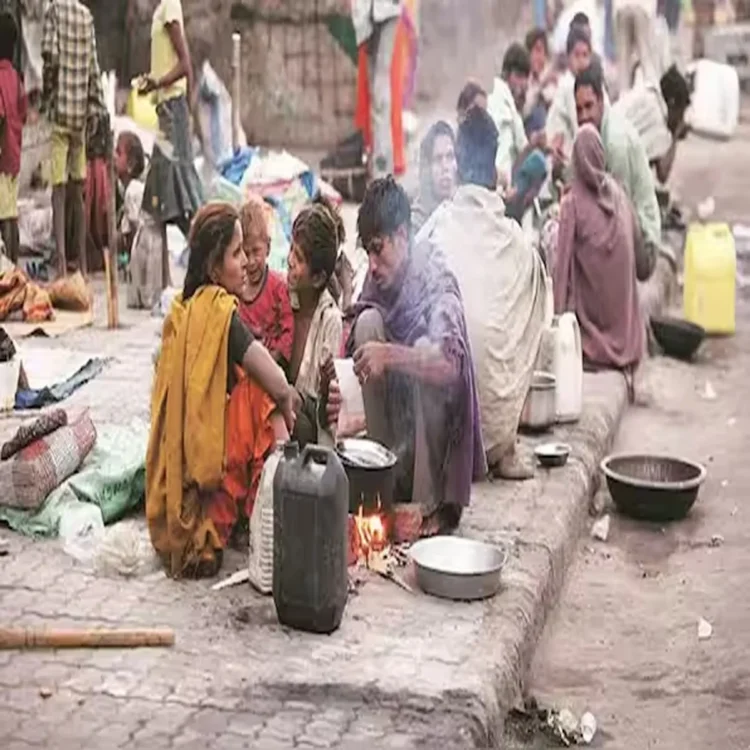
Impact on Household Finances and Living Conditions
The report highlights that increased costs of fuel, transportation, and essential inputs are already putting pressure on household budgets. As prices rise, families are finding it harder to afford basic necessities, leading to growing concerns around food security and reduced purchasing power. Governments across the region are also facing mounting fiscal strain as they attempt to manage these pressures.
According to initial estimates, India could see a significant rise in poverty levels, with the number of affected individuals increasing sharply compared to pre-crisis projections. This shift reflects the broader vulnerability of economies that rely heavily on imports and are sensitive to global price fluctuations.
Wider Regional and Global Effects
The study suggests that the consequences of the conflict extend far beyond a single country. Globally, millions more people could fall below the poverty line under different scenarios. South Asia is expected to bear a substantial portion of this burden due to its large population and exposure to economic shocks.
While countries like China may experience a relatively smaller proportional increase in poverty, the absolute numbers remain notable because of its vast population. Overall, the Asia-Pacific region could face substantial economic losses, underscoring the far-reaching impact of the conflict.
Dependence on Energy and Imports
India’s heavy reliance on West Asia for energy and essential resources makes it particularly vulnerable. A large share of the country’s oil and liquefied petroleum gas requirements comes from the region. In addition, fertiliser imports and natural gas used in domestic production are also closely linked to these markets.
As energy prices rise, some countries, including India, have begun shifting towards alternative sources such as coal to manage costs. However, this shift may have long-term environmental and economic implications.
Trade Disruptions and Supply Chain Challenges
The report also points to disruptions in trade and logistics, which are affecting multiple countries. Increased shipping costs, insurance premiums, and route diversions are delaying deliveries and raising expenses for businesses.
For India, West Asia remains an important trade partner, contributing significantly to both exports and imports. Key export sectors such as agricultural products, textiles, and jewellery could face challenges if disruptions continue. Similar issues have been reported in neighbouring countries, where transport interruptions have led to stranded shipments and delayed deliveries.
Food Security and Agricultural Concerns
Food security is emerging as another area of concern. Reduced remittances from overseas workers and rising costs could further strain household incomes. In India, the timing is particularly critical as any prolonged disruption may affect preparations for the upcoming monsoon cropping season.
Although current fertiliser stocks provide some short-term relief, continued instability could create challenges during peak agricultural activity. This could have a cascading effect on food production and prices.
Employment and Business Risks
The economic strain is also expected to impact employment, especially in sectors that depend on imported inputs or are closely tied to international trade. Small and medium-sized businesses may face rising costs, supply shortages, and reduced demand.
Industries such as hospitality, construction materials, manufacturing, and gems and jewellery could be particularly affected. These challenges may lead to reduced working hours, job losses, and interruptions in business operations, especially in informal sectors where financial resilience is limited.
Remittances and Migrant Workforce Exposure
India’s large workforce in Gulf countries adds another layer of vulnerability. A significant portion of remittances comes from these regions, and any slowdown in economic activity there could reduce income flows back home.
With millions of Indians working abroad, changes in employment conditions or earnings could directly impact household finances across the country.
Long-Term Outlook and Adaptation
Despite the immediate challenges, the report also points to opportunities for building resilience. Strengthening social protection systems, diversifying energy sources, and developing more robust supply chains could help countries better withstand future shocks.
The findings underline the need for coordinated efforts to manage both the short-term impacts and long-term risks associated with global conflicts.