
Economy – Japan Factory Output Slips Again Amid Oil Price Pressure
Economy – Japan’s industrial production recorded a slight decline in March, reflecting the growing impact of rising crude oil prices and ongoing supply chain challenges linked to tensions in the Middle East. Official data released on Thursday showed that factory and mining output dipped by 0.5 percent compared to the previous month, adding to concerns about the country’s fragile recovery.
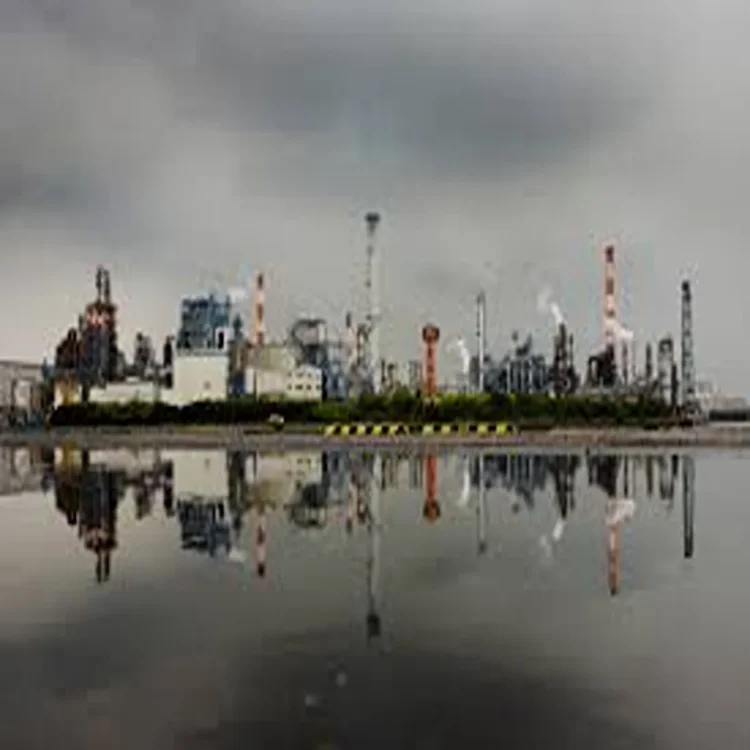
Energy Costs and Supply Issues Weigh on Production
The fall in output was largely attributed to increased energy costs and disruptions in the supply of key materials. Industries related to chemicals and petroleum products were particularly affected, as higher oil prices raised production expenses. According to preliminary figures from Japan’s Ministry of Economy, Trade and Industry, the seasonally adjusted production index stood at 101.9, based on a 2020 benchmark of 100.
This latest drop follows a sharper 2 percent decline recorded in February, signaling a continuing downward trend. Out of the 15 industrial sectors surveyed, eight reported reduced output, highlighting the broad-based nature of the slowdown.
Annual Output Continues Multi-Year Decline
Looking at the broader picture, Japan’s industrial output for fiscal year 2025 edged down by 0.2 percent compared to the previous year. This marks the fourth consecutive year of decline, underscoring persistent structural and external challenges facing the manufacturing sector.
Despite the recent setbacks, there are cautious signs of improvement ahead. A survey of manufacturers suggests that production could rise by 2.1 percent in April and a further 2.2 percent in May, offering some optimism for short-term recovery if conditions stabilize.
Central Bank Holds Rates Amid Uncertainty
Against this backdrop, Japan’s central bank opted to maintain its benchmark interest rate at around 0.75 percent following its latest policy meeting. The decision, widely anticipated by markets, reflects ongoing uncertainty surrounding global developments, particularly the Middle East conflict, which continues to influence energy prices and trade flows.
Higher oil prices have not only increased production costs for businesses but have also put pressure on household purchasing power, creating a challenging environment for economic growth.
Growth Forecast Lowered, Inflation Outlook Raised
In its quarterly economic outlook, the central bank revised its growth forecast for fiscal year 2026 downward to 0.5 percent, significantly lower than its earlier estimate of 1 percent. The adjustment signals concerns about the pace of recovery amid external risks.
At the same time, the bank raised its inflation forecast for the current fiscal year to 2.8 percent, up from 1.9 percent projected earlier. This revision reflects the broader impact of rising energy costs and increasing prices across a range of goods, driven in part by geopolitical tensions.
Future Rate Hikes Still on the Table
While keeping rates unchanged for now, the central bank indicated that further increases remain a possibility. Policymakers emphasized that any adjustments would depend on carefully monitoring economic conditions, including the trajectory of global conflicts and their influence on domestic prices and activity.
Maintaining expectations of future rate hikes is seen as important in stabilizing the national currency, which has faced pressure against the US dollar. A weaker currency tends to increase import costs, adding to inflation in a country heavily reliant on external resources.
Focus on Inflation Stability and Economic Balance
The central bank also stressed its commitment to preventing excessive inflation that could disrupt economic stability. Officials noted the importance of balancing price growth with sustainable economic expansion, particularly at a time when external risks remain elevated.
The current policy stance marks the third consecutive meeting where interest rates have been left unchanged, following a significant rate increase in December 2025 that brought borrowing costs to their highest level in three decades.
As Japan navigates a complex mix of global and domestic challenges, policymakers and businesses alike will be closely watching energy markets and geopolitical developments for signs of stability or further disruption.