
ConflictCost – US-Iran War Spending Reaches $25 Billion in Two Months
ConflictCost – The United States has spent an estimated $25 billion on its ongoing military campaign against Iran, according to a senior Pentagon official, highlighting the growing financial burden of the conflict now entering its second month.
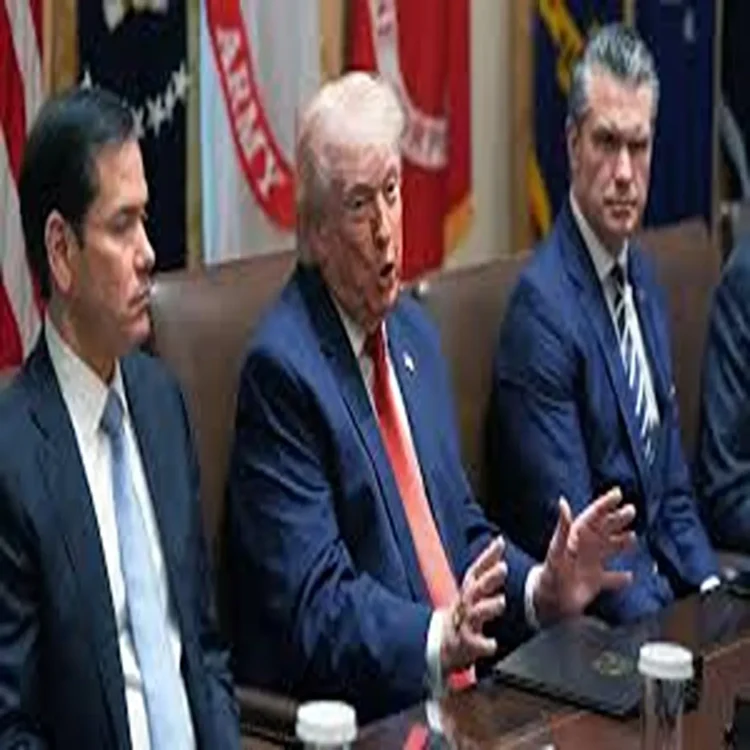
Pentagon Details Rising War Expenditure
Speaking before the House Armed Services Committee, Acting Pentagon Comptroller Jules Hurst III revealed that the operation—referred to as Operation Epic Fury—has already incurred substantial costs. He noted that a significant portion of the expenditure has gone toward munitions, alongside operational expenses, maintenance, and the replacement of military equipment.
The disclosure provides one of the clearest public assessments so far of the financial scale of the conflict, which has intensified in recent weeks.
Early Spending Surged Rapidly
Earlier reports had already indicated a sharp rise in spending at the outset of the conflict. In a closed-door briefing held on March 11, Pentagon officials informed lawmakers that more than $11.3 billion had been spent within just the first six days of military action.
This rapid initial expenditure underscores the high cost of modern warfare, particularly in operations involving advanced weaponry and sustained logistical support.
First Public Hearing Since Military Action Began
Defense Secretary Pete Hegseth appeared before lawmakers for several hours in what marked his first public testimony since the United States launched strikes against Iran. He was joined by senior military leadership, including the Chairman of the Joint Chiefs of Staff.
The hearing quickly revealed sharp political divisions over the conflict.
Political Divide Over Strategy and Impact
Republican lawmakers largely backed President Donald Trump’s decision to initiate military action, framing it as necessary for national security. In contrast, Democratic members of the committee raised concerns over the strategy, long-term objectives, and broader consequences of the war.
The exchanges became particularly tense as Democrats pressed officials on the rising financial costs, the depletion of key weapons stockpiles, and the potential economic impact on American households.
Pentagon Pushes Back on Criticism
Responding to these concerns, Hegseth rejected criticism of the military campaign, characterizing it as politically motivated. He declined to provide specific estimates on how long the conflict might continue or what the final cost could be, leaving several questions unanswered.
His responses reflected the administration’s cautious approach to discussing long-term projections while the situation remains fluid.
Record Defense Budget Proposal Defended
During the hearing, Hegseth also defended the Pentagon’s proposed defense budget of $1.5 trillion for the fiscal year 2027—a figure that would mark a record high.
He argued that the increased funding is essential to maintaining the United States’ military strength amid a complex and evolving global threat environment. According to him, the budget would ensure that the country remains prepared to respond to challenges across multiple regions simultaneously.
Broader Implications of the Conflict
As the war continues, concerns are mounting not only over its financial cost but also its broader implications for military readiness and domestic economic stability. Lawmakers from both parties signaled that scrutiny of the conflict—and its funding—will likely intensify in the coming months.
The situation remains dynamic, with no clear timeline for resolution, adding further uncertainty to both strategic planning and budgetary forecasts.