
Diplomacy – UN Chief Raises Alarm Over Growing Global Security Divisions
Diplomacy – United Nations Secretary-General Antonio Guterres has expressed serious concern over what he described as a steady weakening of respect for international law and the principles that have guided global diplomacy for decades. Addressing a high-level meeting of the UN Security Council on Tuesday, Guterres said the international system is facing increasing pressure as nations become more divided and cooperation continues to decline.
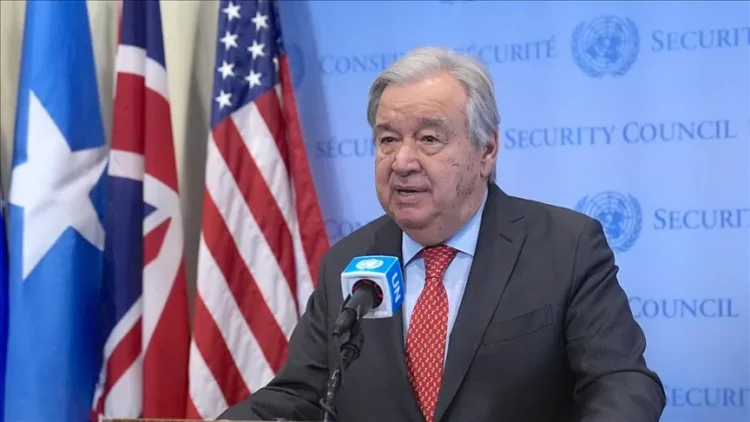
Concerns Over International Law
Speaking during a debate focused on strengthening the United Nations-centered global system, the UN chief said several core principles of the UN Charter are being ignored or openly challenged. These include sovereign equality among nations, territorial integrity, political independence, and the ban on the use or threat of force.
Guterres warned that violations of international law are often left unanswered, creating an atmosphere where accountability is fading. According to him, this growing sense of impunity is weakening trust in global institutions and making diplomatic solutions harder to achieve.
He stressed that the UN Charter still represents the strongest framework available for maintaining peace and stability worldwide. However, he added that its effectiveness depends entirely on the willingness of member states to uphold and defend those principles consistently.
Divisions Inside the Security Council
The Secretary-General also pointed to widening geopolitical differences among major powers, saying mistrust between nations has deepened in recent years. He noted that reaching common ground on critical international issues is becoming increasingly difficult.
Guterres said the Security Council often struggles to act collectively during major global crises. He warned that when divisions prevent the council from responding with unity, the impact extends far beyond the UN headquarters and affects global peace efforts on a much larger scale.
His remarks reflected growing international concern about the ability of global institutions to respond effectively to fast-changing conflicts and security threats.
Rising Number of Global Conflicts
During his address, Guterres highlighted the sharp increase in armed conflicts around the world. He stated that the current number of ongoing conflicts is the highest since the establishment of the United Nations after World War II.
The UN chief specifically referred to situations in the Middle East, Sudan, and Ukraine, where violence continues to escalate. He also expressed concern over increased foreign involvement in conflicts, including the supply of advanced weapons and drone technology.
According to Guterres, drones are now frequently being used in attacks that harm civilians and damage civilian infrastructure. He warned that modern conflicts are becoming more complex, dangerous, and difficult to contain.
Growing Fears Over Global Arms Competition
Another major concern raised by the Secretary-General was the rapid expansion of the global arms race. He said the increasing military competition among nations could further destabilize international security and reduce opportunities for peaceful dialogue.
Guterres emphasized that military escalation without strong diplomatic engagement risks creating long-term instability across several regions. He called on governments to prioritize dialogue and preventive diplomacy over confrontation.
Call for Reform and Cooperation
To address these growing challenges, the UN chief outlined three major priorities: strengthening conflict prevention and peace negotiations, ensuring greater respect for international law, and reforming the UN Security Council to improve its effectiveness.
He urged council members to act with responsibility and place global peace above political disagreements. Guterres also appealed for renewed trust among nations through compromise, cooperation, and stronger international leadership.
According to him, the United Nations must continue serving as a platform for peaceful solutions, legal accountability, and collective security. He said member states share the responsibility of ensuring the organization remains capable of responding to modern global crises effectively.