
Development – Youth-Centric Growth Strategy Takes Centre Stage at NITI Aayog Meeting
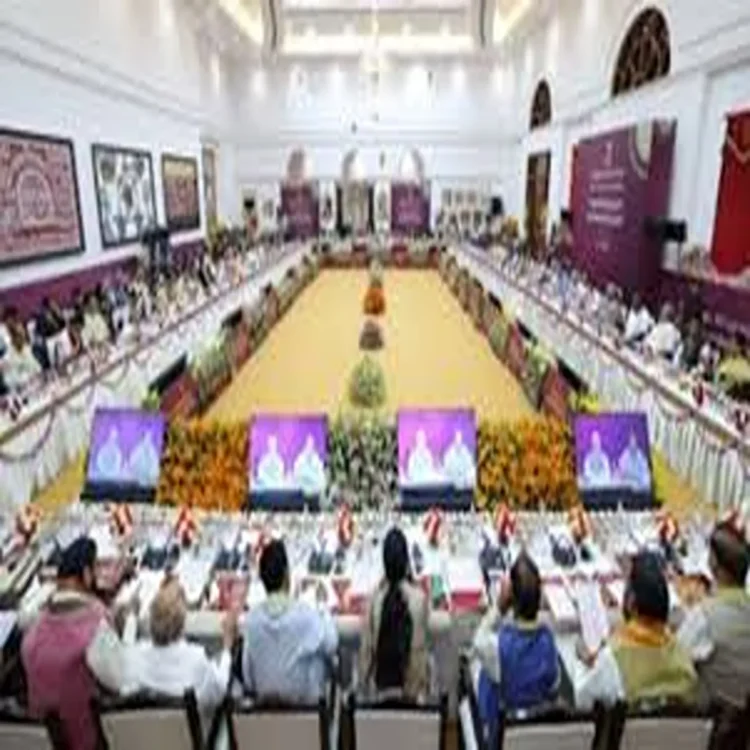
Development – Prime Minister Narendra Modi on Thursday called upon state governments to fully utilize India’s vast youth population and transform the country’s demographic strength into a powerful engine for long-term economic and social progress. Addressing the 11th Governing Council Meeting of NITI Aayog, the Prime Minister emphasized that investing in young people would be critical to achieving the nation’s development goals in the coming decades.
Focus on Education, Skills and Employment
Speaking before chief ministers, lieutenant governors and administrators from across the country, Modi highlighted the need to create an environment that supports young citizens through quality education, industry-relevant skills training and greater employment opportunities. He said that empowering the younger generation should remain a top priority, as they will play a decisive role in shaping India’s future growth trajectory.
The meeting witnessed participation from all 28 states and five Union Territories, marking the first occasion when every state chief minister attended the Governing Council session. Discussions largely revolved around improving human development indicators and strengthening India’s transition toward cleaner and more sustainable energy sources.
Rooftop Solar Expansion Receives Strong Support
A major topic of discussion during the meeting was the expansion of rooftop solar power installations. Council members explored ways to accelerate the adoption of solar systems across homes, educational institutions, healthcare facilities and government-owned buildings.
Participants noted that wider use of rooftop solar energy could help households reduce dependence on conventional electricity supplies. It was also observed that increased solar adoption could ease the financial pressure on state governments arising from electricity subsidy commitments.
Nuclear Energy Considered a Key Future Option
The meeting also featured extensive discussions on the role of nuclear power in India’s future energy mix. Several members expressed support for expanding nuclear energy capacity, pointing to technological advancements that have significantly improved safety standards in modern nuclear power generation.
Supporters argued that nuclear energy could complement renewable sources and contribute to meeting the country’s growing power requirements while supporting long-term energy security objectives.
Push for District-Level Economic Measurement
In an important administrative initiative, the Prime Minister encouraged states to begin preparing estimates of economic output at the district level. He urged governments to develop systems capable of calculating district-wise Gross Domestic Product (GDP) within the next few months.
According to officials, such localized economic assessments could help policymakers identify development gaps more effectively and design targeted strategies for regional growth and resource allocation.
States Encouraged to Attract Global Investments
Modi also advised state governments to actively seek foreign investments and take advantage of trade opportunities created through India’s Free Trade Agreements (FTAs) with various countries. He stressed the importance of creating a business-friendly environment that can attract international companies and generate employment opportunities at the local level.
The Prime Minister suggested that states should strengthen investment promotion efforts to maximize benefits arising from India’s expanding global trade partnerships.
MSMEs and Defence Manufacturing Highlighted
During the discussions, states were also encouraged to strengthen support for Micro, Small and Medium Enterprises (MSMEs), which continue to play a vital role in employment generation and industrial development.
Additionally, the Prime Minister highlighted emerging opportunities in the defence manufacturing sector and urged states to position themselves to benefit from the growing demand for domestically produced defence equipment. He noted that greater participation in this sector could contribute to economic growth, technological advancement and job creation across the country.