
Delimitation – Rahul Gandhi Questions Link Between Bill and Women’s Quota
Delimitation – Congress leader Rahul Gandhi on Friday sharply criticised the government over the proposed Delimitation Bill, arguing that it is not genuinely aimed at strengthening women’s representation but instead seeks to redraw the country’s electoral boundaries ahead of future elections.
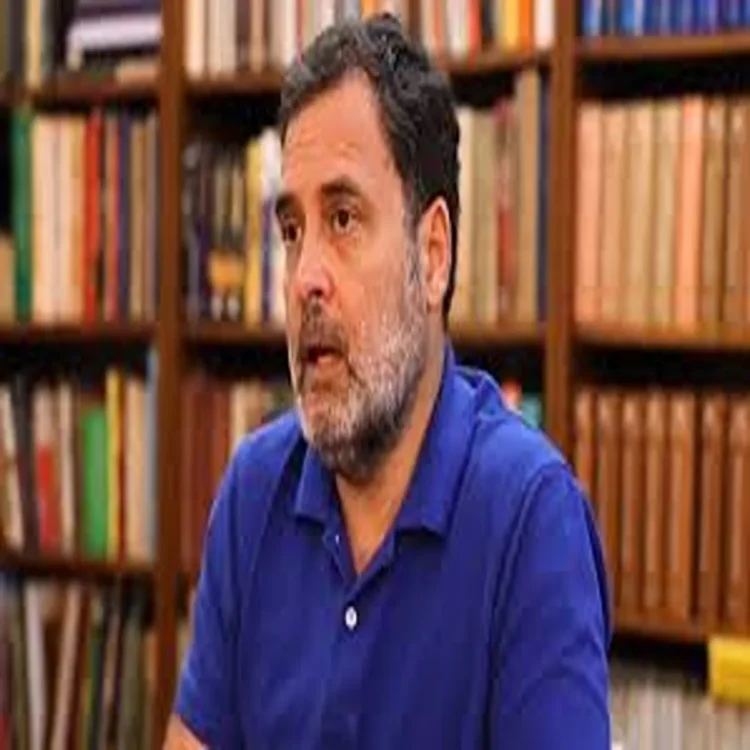
Speaking during a discussion in the Lok Sabha on a set of three bills related to implementing women’s reservation from the 2029 general elections, Gandhi said the legislation raises serious concerns about its intent and timing. He maintained that while women’s reservation is widely supported, the current approach taken by the government does not align with that goal.
Concerns Over Purpose of the Bill
Gandhi stated that the proposed changes appear to focus more on altering constituency boundaries than empowering women politically. According to him, the bill risks shifting the balance of representation across regions rather than ensuring fair participation of women in legislative bodies.
He described the move as problematic, suggesting that it diverts attention from the original purpose of introducing a quota for women. He added that the issue requires transparency so that the public can clearly understand how these changes would impact democratic representation.
Debate Around Caste Census
A significant part of Gandhi’s criticism centred on the absence of a caste-based census in the process. He argued that without updated caste data, it would be difficult to ensure equitable representation, particularly for Other Backward Classes (OBCs).
He alleged that the current framework attempts to sidestep this issue by disconnecting delimitation from caste-based data. According to him, such an approach could delay meaningful representation for several communities. Gandhi emphasized that the role of caste data in shaping parliamentary and assembly representation cannot be ignored if inclusivity is to be achieved.
Opposition’s Stand on Women’s Reservation
While criticising the bills, Gandhi reiterated that his party and other opposition members support the idea of reserving seats for women. However, he called for immediate implementation of the earlier framework for women’s reservation without linking it to additional legislative conditions.
He suggested that if the government reintroduces a straightforward version of the women’s reservation proposal, the opposition would extend full support for its passage without delay. In his view, the current set of bills introduces complexities that could postpone actual implementation.
Allegations of Political Motives
Gandhi also accused the government of attempting to restructure the political landscape to its advantage. He claimed that changes in electoral boundaries could influence representation in a way that benefits the ruling party.
He pointed to past instances of administrative and political changes in certain regions, arguing that similar strategies may now be applied on a larger scale. According to him, such steps could affect the balance of power among states, particularly those with smaller populations.
Impact on States and Representation
Raising concerns about regional equity, Gandhi warned that states in southern and northeastern India might face reduced representation if delimitation is carried out without careful consideration. He argued that population-based adjustments alone may not reflect the broader principles of fairness and federal balance.
He maintained that any change affecting representation must ensure that no region feels disadvantaged. He described the issue as one with long-term implications for the country’s democratic structure.
Ongoing Parliamentary Discussion
The Lok Sabha has been engaged in an extended debate on the Constitution (One Hundred and Thirty-First Amendment) Bill, 2026, the Union Territories Laws (Amendment) Bill, 2026, and the Delimitation Bill, 2026. The discussion, which resumed earlier this week, continued late into the night as members from different parties presented their views.
The government has defended the bills as necessary steps toward implementing women’s reservation, while the opposition continues to raise questions about their broader impact. With discussions still underway, the outcome of these legislative proposals is expected to shape the future of electoral representation in India.