
Delimitation – Debate Intensifies Over Proposed Lok Sabha Seat Expansion Plan
Delimitation – A fresh political debate has emerged over the Centre’s reported proposal to increase the number of Lok Sabha seats as part of a future delimitation exercise. Congress leader Manickam Tagore on Wednesday criticised the plan, describing it as discriminatory and raising concerns about its impact on southern and eastern states. His remarks came amid growing discussions on how parliamentary representation may shift if the proposal moves forward.
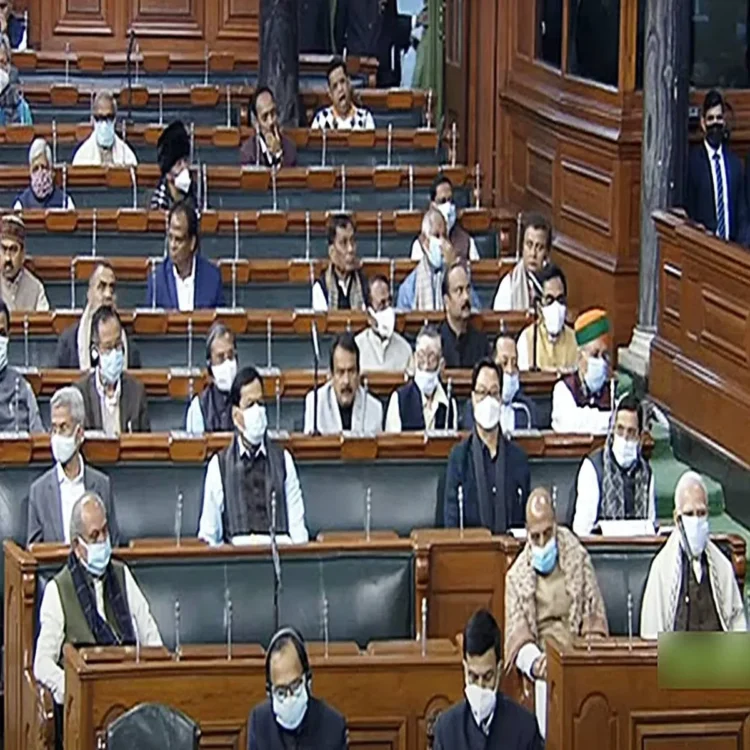
Concerns Raised by Opposition Leaders
Tagore took aim at Union Minister Kiren Rijiju, accusing him of presenting a misleading narrative around the issue. In a social media post, he urged the minister to refrain from portraying southern states as beneficiaries of the proposed changes. According to Tagore, the exercise risks undermining equitable representation rather than strengthening it.
He also pointed to data suggesting that several northern and central states, including Uttar Pradesh, Bihar, Rajasthan, Madhya Pradesh, and Maharashtra, could see a significant rise in parliamentary seats. In contrast, states such as Tamil Nadu, Kerala, Andhra Pradesh, Telangana, Odisha, and West Bengal may experience comparatively lower gains or even relative losses in representation.
Demand for Transparency and Fairness
Leaders from multiple southern states have echoed similar concerns, calling for greater clarity on how the delimitation process will be carried out. They argue that population control measures successfully implemented in these regions should not lead to reduced political influence in Parliament.
Some state representatives have emphasised that the principle of federal balance must remain central to any restructuring of parliamentary seats. With elections approaching in states like Tamil Nadu, the issue has gained additional political significance.
Government’s Position on the Proposal
Responding to the criticism, Union Minister Kiren Rijiju sought to reassure stakeholders that the proposal is designed to maintain fairness across regions. He stated that concerns about certain states losing representation are unfounded and stem from misinformation.
According to Rijiju, the planned expansion aims to ensure that every region, community, and state receives appropriate representation. He highlighted that even states with slower population growth would benefit proportionately due to the overall increase in the number of seats.
The minister described the proposal as balanced and carefully considered, adding that it addresses the aspirations of diverse sections of society. He maintained that there is no justification for apprehension regarding the exercise.
Link to Women’s Reservation Implementation
The proposed increase in Lok Sabha seats is also tied to the government’s plan to implement the Women’s Reservation Act. Sources indicate that the total number of seats could rise to around 850, with approximately 815 allocated to states and 35 to Union Territories.
This expansion is expected to facilitate the introduction of 33 percent reservation for women in the Lok Sabha, likely to take effect from the 2029 general elections. The move would require a constitutional amendment, which is expected to be discussed during a special session of Parliament.
Upcoming Parliamentary Discussions
The government has scheduled a special sitting of Parliament to deliberate on amendments related to the Nari Shakti Vandan Adhiniyam, 2023, along with the proposed delimitation bill. The discussions are expected to address both the structural changes in parliamentary representation and the implementation roadmap for women’s reservation.
At present, the Lok Sabha consists of 543 seats. Any increase would mark a significant shift in India’s parliamentary framework, making the ongoing debate particularly consequential.
As political parties prepare to present their positions, the issue of delimitation is likely to remain at the centre of national discourse, with questions of fairness, representation, and federal balance continuing to shape the conversation.