
DelhiDevelopment – High Court Raises Concerns Over Shrinking Green Areas in Capital
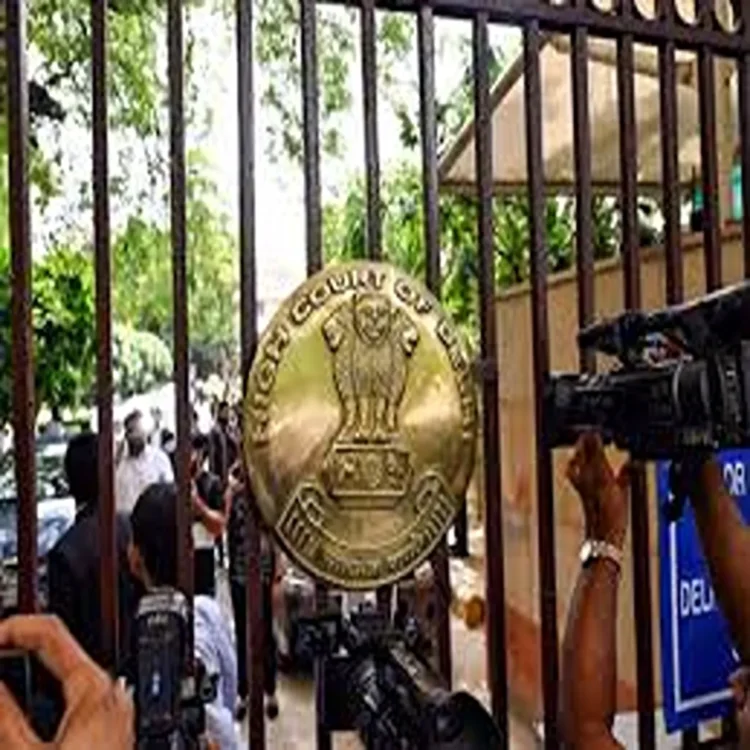
DelhiDevelopment – The Delhi High Court on Monday voiced serious concerns over the Central Government’s move to reclaim several properties in the Lutyens’ Delhi zone, including the Delhi Gymkhana Club and the Polo Ground. During the proceedings, the court observed that the city is already struggling with limited open spaces and warned that further reduction of green areas could worsen living conditions for residents.
Court Highlights Importance of Open Spaces
While hearing a petition related to an eviction notice issued to the Indian Polo Association, Justice Neena Bansal Krishna remarked that the New Delhi Municipal Council (NDMC) region still serves as one of the few remaining areas offering breathing space within the densely populated capital. The court noted that the continued loss of such spaces could have long-term consequences for the city’s environment and quality of life.
The judge expressed concern that Delhi has witnessed extensive redevelopment over the years, with many neighborhoods increasingly dominated by multi-storey buildings. According to the court, preserving the remaining green pockets is essential for maintaining a healthy urban balance.
Government Defends Land Requirement
Representing the Centre, the government’s standing counsel defended the proposed action, stating that the land in question is needed for public welfare and defence-related purposes. The counsel informed the court that available land in central Delhi is limited and that several governmental functions must continue to operate from this strategic area.
The government maintained that the planned use of the land serves broader public interests and is linked to administrative and national requirements. Officials argued that the need for space in the heart of the capital remains significant due to operational demands.
Questions Raised Over Future Development Plans
During the hearing, the court sought clarification regarding the nature of future development on the reclaimed properties. Justice Krishna questioned whether the authorities intended to replace existing open spaces with high-rise structures.
The court observed that large residential and commercial buildings have already transformed many parts of Delhi and cautioned against unchecked urban expansion. It emphasized that green areas play a crucial role in supporting environmental sustainability and providing recreational space for residents.
According to the judge, the capital city should not lose the limited natural surroundings that remain available to the public. The observations reflected broader concerns regarding urban planning and the preservation of ecological balance in metropolitan regions.
Indian Polo Association Challenges Eviction Notice
The matter before the court arose from a petition filed by the Indian Polo Association challenging an eviction notice issued by the government. The notice directed the association to vacate its premises, with authorities citing public interest as the basis for the action.
The association approached the court seeking relief from the proposed eviction and requested protection until the legal issues surrounding the property are fully examined. The case has become part of a wider debate concerning the future use of prominent properties located in the Lutyens’ Delhi area.
Trial Court Asked to Consider Stay Request Quickly
After hearing the submissions, the High Court disposed of the petition while directing the trial court to promptly decide the association’s application seeking a stay on the eviction notice. The court instructed the lower court to take up the matter on Wednesday and pass an appropriate order without delay.
A similar dispute involving the Delhi Gymkhana Club has also come before the courts in recent years. In that matter, the government had earlier stated that any eviction process would be undertaken only after issuing proper notice. Petitions filed in relation to the club have claimed that the land was originally granted on a perpetual lease dating back to 1928.
The latest proceedings have once again brought attention to the balance between government infrastructure requirements and the preservation of open spaces within the national capital.