
Delhi Waterlogging – City Deploys 200 Teams for Monsoon Emergency Response
Delhi Waterlogging – Delhi has activated a large-scale monsoon response plan, deploying 200 maintenance teams across the city to address waterlogging during heavy rainfall. The move is aimed at reducing disruption in low-lying neighbourhoods, major roads and underpasses that often face flooding during the monsoon season.
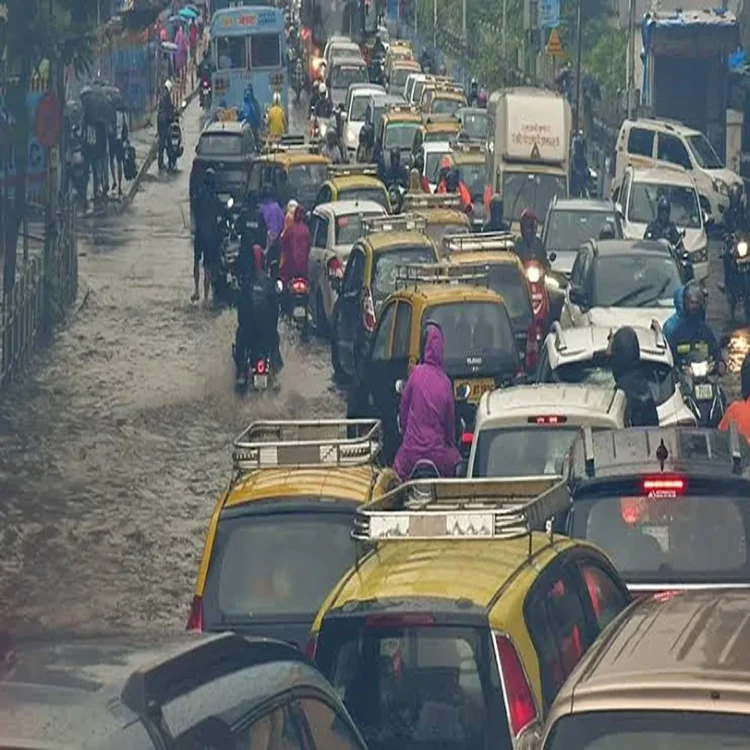
Round-the-clock teams assigned to vulnerable locations
Officials said nodal officers have been appointed at every identified waterlogging point, while maintenance teams will be responsible for clearing stagnant water in their allotted areas. The teams have been directed to remain on alert throughout the day and night, particularly during intense rain spells.
Their work will include removing blockages from drains and clearing bell-mouth openings, which are designed to allow rainwater to flow into drainage systems. Departments have been instructed to ensure that local flooding is dealt with quickly before it affects traffic movement or nearby residential areas.
Traffic diversions planned for flooded underpasses
Special instructions have been issued for underpasses, where water accumulation can become dangerous for vehicles. Ground staff have been told to alert the control room if water levels rise between six and eight inches. Mobile pumping units will then be deployed to remove water from the affected stretch.
If the water level continues to increase, traffic may be diverted to alternative routes. Authorities said the decision will be taken based on road conditions and public safety requirements.
Minto Bridge drainage work cited as permanent solution
The Minto Bridge underpass, which has witnessed repeated waterlogging incidents in earlier monsoon seasons, remains under close watch. In previous years, public buses and other vehicles were often stranded after heavy rain caused water to collect at the location.
The Public Works Department said an additional drain has been constructed near the underpass to improve water discharge. According to the department, the drainage upgrade is expected to prevent the recurring flooding problems that were reported at the site in the past.
Pumping capacity increased across the capital
The Public Works Department has also increased the number of permanent pump houses to improve its flood response in areas prone to water accumulation. Officials said the number of pump houses has risen from 157 in 2025 to 167 this year.
The total number of pumps available at these facilities has also increased from 735 to 754. Several of the pump houses are fitted with automatic pumping systems, allowing quicker activation when water levels rise during heavy rainfall.
Delhi Police identifies 169 waterlogging hotspots
Delhi Police has separately identified 169 locations across the capital that may face waterlogging during the monsoon. Traffic and field personnel have been positioned at key locations to manage congestion, assist commuters and coordinate with civic agencies.
A senior police officer said the list was prepared after reviewing recurring waterlogging issues observed over recent years. Traffic police disaster response vehicles have also been equipped with water pumps to support immediate action in affected areas.
Police teams will regulate traffic wherever diversions are needed and will share updates through official social media platforms. Commuters have been advised to check traffic alerts before starting their journeys during periods of heavy rain.
Ring Road and key underpasses remain under watch
Of the 169 identified locations, around 31 are situated along the Ring Road, a major corridor that carries heavy traffic throughout the day. Nine underpasses have also been marked as especially vulnerable during prolonged rainfall.
These include Minto Bridge, Zakhira, Dwarka, Moolchand and Pul Prahlad Pur underpasses, among others. Authorities said coordinated action between civic departments, police and emergency teams will be important in limiting the impact of waterlogging during the monsoon.