
Delhi Launches District- Wise Drive to Identify and Tackle Pollution Hotspots
Delhi Launches District- The Delhi government has launched a district-level initiative aimed at identifying pollution hotspots and strengthening coordination among multiple agencies to improve environmental conditions across the national capital.
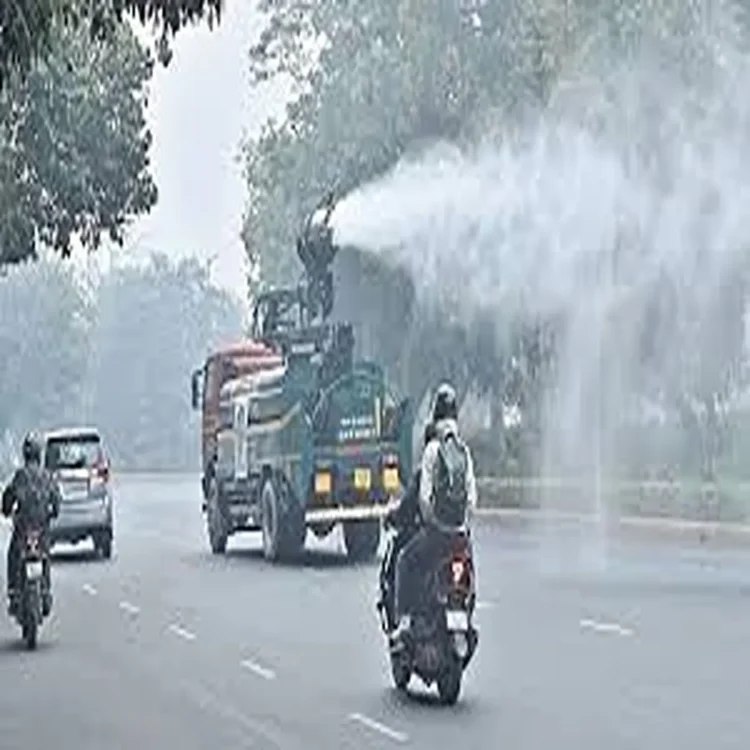
District Authorities Assigned Key Responsibilities
The Delhi government has instructed all District Magistrates (DMs) to begin an extensive survey of pollution-prone locations within their respective districts. The exercise will be carried out in coordination with several departments, including Delhi Police, Traffic Police, the Municipal Corporation of Delhi (MCD), the Public Works Department (PWD), the Delhi Pollution Control Committee (DPCC), and other relevant agencies. The objective is to ensure that pollution sources are identified quickly and addressed through coordinated action.
Officials have also been directed to submit regular progress reports and participate in review meetings to assess the implementation of planned measures. These updates will help the government monitor district-level performance and ensure that corrective steps are completed within the prescribed timelines.
Focus on Dust Pollution Across the Capital
The directions were issued after Delhi Environment Minister Manjinder Singh Sirsa chaired a review meeting with District Magistrates from across the National Capital Territory. The meeting focused on developing a coordinated strategy to strengthen environmental governance and improve pollution control efforts at the district level.
During the discussions, the minister highlighted dust pollution as one of the major contributors to Delhi’s declining air quality. He instructed officials to identify every significant source of dust generation and work closely with the concerned departments to reduce its impact.
According to the minister, damaged roads, ongoing construction work, and poorly maintained public spaces continue to add to dust pollution. He stressed that each of these issues requires timely intervention supported by coordinated efforts from all responsible departments.
Regular Monitoring to Ensure Timely Action
To maintain accountability, District Magistrates have been asked to closely monitor the progress of pollution-control measures within their jurisdictions. The government plans to conduct periodic review meetings to evaluate achievements, identify gaps, and ensure that departments remain focused on meeting environmental targets.
The administration believes that regular monitoring will improve coordination among agencies and help accelerate the execution of district-level action plans designed to improve air quality.
Survey of Public Parks Also Included
Apart from pollution mapping, the District Magistrates have been instructed to prepare a detailed inventory of public parks where boundary walls have been damaged or maintenance has been neglected. This assessment will allow the concerned departments to undertake restoration and repair work wherever necessary.
Officials believe that better maintenance of public spaces will contribute to cleaner surroundings while also supporting broader environmental improvement efforts across the city.
Traffic Management and Pollution Hotspots Reviewed
Another important area discussed during the review meeting was traffic management. Authorities examined ways to reduce congestion in heavily affected areas, as smoother traffic movement can help lower vehicle emissions and improve overall air quality.
The meeting also emphasized the need for continuous identification and monitoring of pollution hotspots so that district administrations can respond promptly with targeted measures. By combining better coordination, infrastructure maintenance, and regular oversight, the Delhi government aims to strengthen its long-term strategy for controlling pollution across the capital.