
Delhi Gymkhana – High Court Seeks Centre’s Reply on Eviction Stay Plea
Delhi Gymkhana – The Delhi High Court on Monday sought responses from the Union Government and other parties on applications filed by the Delhi Gymkhana Club and the Delhi Gymkhana Staff Welfare Association seeking protection from eviction proceedings. The proceedings were initiated under the Public Premises (Eviction of Unauthorised Occupants) Act, 1971, following the termination of the Club’s perpetual lease.
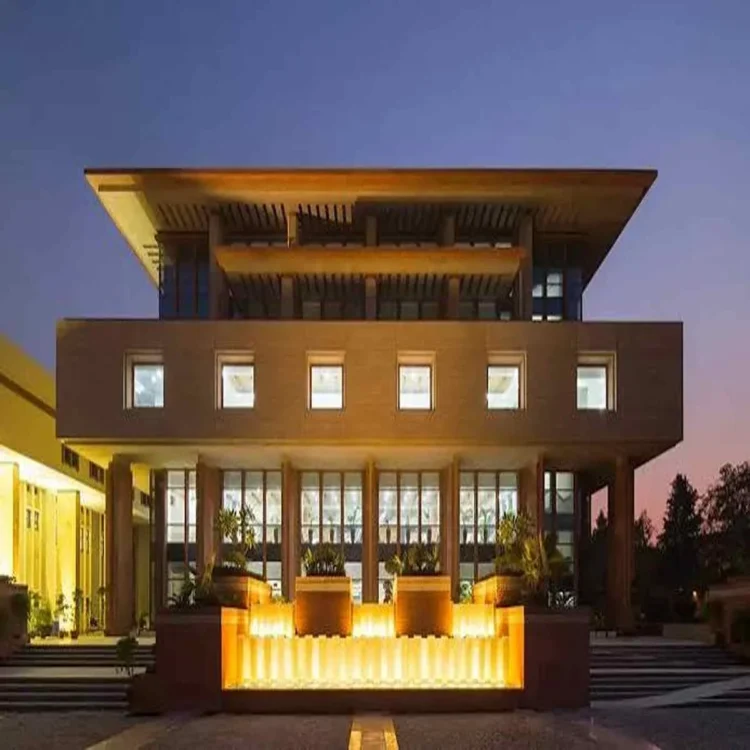
Court issues notice on interim relief applications
Justice Avneesh Jhingan issued notice to the respondents and asked them to submit their replies. The matter has been scheduled for further hearing on July 28, 2026. The applicants have requested the court to halt the operation of a show-cause notice issued by the Estate Officer, which requires the Club to explain why an eviction order should not be passed.
Solicitor General Tushar Mehta appeared through video conferencing for the Centre and informed the court that the application had been served only a day earlier. He said the notice challenged by the applicants was due for consideration the following day. The court recorded his appearance and allowed the Union Government time to place its response on record.
Club challenges June 29 eviction notice
Senior Advocate Abhishek Manu Singhvi represented the Delhi Gymkhana Club and its Staff Welfare Association. Additional Solicitor General Chetan Sharma and Central Government Standing Counsel Ashish Dixit also appeared for the government and the concerned department.
The applications challenge the June 29, 2026, notice issued under Section 4 of the Public Premises Act. The notice concerns the Club’s premises at 2, Safdarjung Road and asks it to respond to the proposed eviction action.
Lease termination remains under judicial review
The applicants have argued that the eviction process should not move forward while their civil suit against the termination of the perpetual lease is still pending before the High Court. They said the latest notice creates a new cause of action because it is the first step taken under the Public Premises Act after the court’s May 26, 2026 order.
According to the Club and the welfare association, the High Court had earlier noted that they could pursue suitable legal remedies if eviction proceedings were later initiated. They have therefore sought interim protection against the current notice.
The applicants contend that the Estate Officer’s action is premature because it assumes that the lease was lawfully terminated, although that central issue has not yet been decided by the court. They have also referred to the May 26 order, which kept open questions related to the validity of the lease termination and compliance with conditions contained in the lease deed.
Applicants question Estate Officer’s assessment
The Club has further alleged that the Estate Officer relied on the Land & Development Office’s conclusion that the lease had ended, without independently reaching the preliminary opinion required under Section 4 of the Act. It has argued that the notice describes the Club as an unauthorised occupant even though the underlying lease dispute remains unresolved.
The applicants said continuing the eviction process could affect the purpose of their pending civil suit. Their position is that the proceedings are based on the same disputed conclusion that the perpetual lease was validly terminated.
Centre cites public purpose and lease provisions
The Estate Officer’s notice was issued under Sections 4(1) and 4(2)(b)(ii) of the Public Premises Act. The Club has been directed to file its response by July 7, 2026, and appear before the Estate Officer on the same date.
The Land & Development Office has maintained that the Club’s occupation of the 27.3-acre property after the lease termination amounts to unauthorised occupation under Section 2(g) of the law. The Centre has stated that the President of India exercised powers under Clause 4 of the lease deed to resume the land for a public purpose. It has maintained that the Club has no continuing legal right to remain in possession after the lease was terminated.