
Defense – US Considers Scaling Down Military Presence in Germany
Defense – The United States is weighing a significant reduction of its military footprint in Germany, with plans under discussion to withdraw approximately 5,000 troops. The move comes at a time of growing diplomatic friction between Washington and Berlin, particularly over differing views on the ongoing conflict involving Iran.
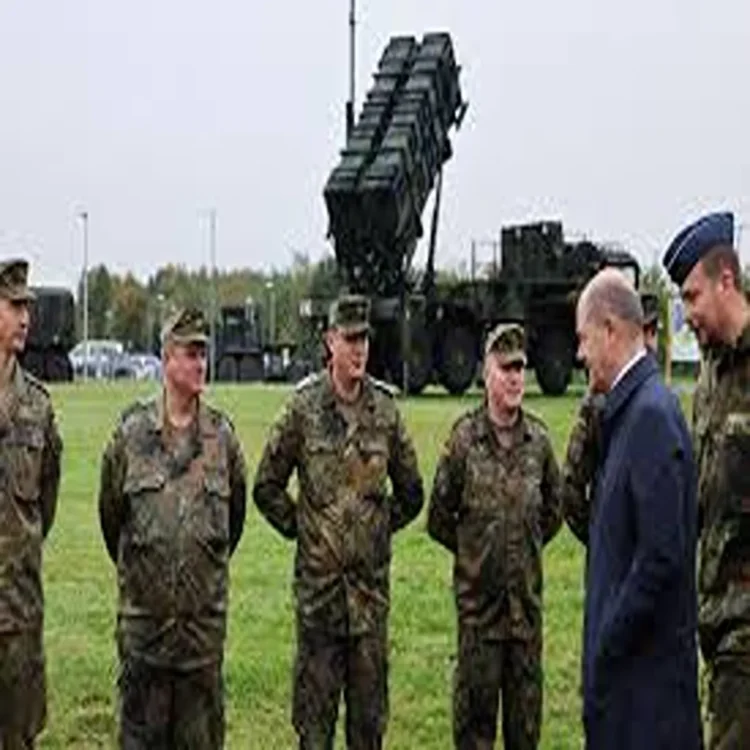
Strained Relations Over Iran Conflict
Tensions between the two allies have intensified following recent comments by German Chancellor Friedrich Merz, who openly criticized Washington’s handling of the Iran situation. Merz described the US military approach as lacking clear direction and suggested that American actions had weakened its global standing in the face of Iranian leadership.
US officials reacted sharply to these remarks. A senior defense official, speaking anonymously, characterized the German leader’s statements as both inappropriate and unhelpful, reflecting growing frustration within the US administration over perceived lack of support from European partners.
Trump Signals Broader Military Review
Former US President Donald Trump, who continues to influence policy discussions, also responded strongly to Merz’s criticism. In public comments and social media posts, Trump dismissed the German chancellor’s views and defended the US approach toward Iran, particularly regarding concerns over nuclear ambitions.
Trump further indicated that the potential troop reduction in Germany is part of a broader reassessment of American military deployments in Europe. He suggested that similar reductions could extend to countries like Spain and Italy, citing dissatisfaction with their level of cooperation in ongoing geopolitical challenges.
Criticism of European Allies
The remarks from Trump underscore a recurring theme in US-European relations: burden-sharing within NATO and allied operations. He openly questioned the contributions of certain European nations, arguing that they have not provided adequate support in conflicts involving US strategic interests, particularly in the Middle East.
Such statements have reignited debate over the role of European allies in joint military efforts and whether the United States should continue maintaining large troop contingents across the continent.
Germany Prepares for Possible Withdrawal
German officials have acknowledged the possibility of a US troop drawdown and signaled readiness to adapt. Foreign Minister Johann Wadephul stated that Berlin is aware of the discussions and is prepared for potential changes in the American military presence.
Germany currently hosts one of the largest concentrations of US forces outside the United States. According to defense data, more than 36,000 active-duty American troops are stationed across various bases in the country, alongside reservists and civilian personnel. These forces play a crucial role in supporting US operations in Europe, Africa, and beyond.
Strategic Importance of German Bases
US military installations in Germany serve as vital hubs for international operations. Facilities such as Ramstein Air Base are central to logistics, coordination, and rapid deployment capabilities. Additionally, Germany hosts the headquarters of US European Command and US Africa Command, making it a cornerstone of American defense strategy in multiple regions.
Any reduction in troop numbers could have implications not only for bilateral relations but also for broader NATO operations and regional security frameworks. Analysts suggest that while a partial withdrawal may not immediately disrupt operations, it signals a shift in priorities that could reshape transatlantic defense cooperation over time.
Uncertain Path Ahead
While discussions are ongoing, no final decision has been confirmed regarding the timeline or scale of the proposed troop withdrawal. US officials have indicated that any move would be evaluated carefully, taking into account both strategic interests and alliance commitments.
As geopolitical tensions continue to evolve, particularly in relation to Iran, the future of US military presence in Europe remains uncertain. The situation highlights the delicate balance between maintaining strong alliances and reassessing global military strategy in a rapidly changing world.