
Defence – Strategic Affairs Commentator Maroof Raza Dies at 67
Defence – Major Maroof Raza (retd), a respected commentator on defence and strategic matters, passed away on Friday after a long struggle with cancer. He was 67. According to his family, he died in Gurugram, where he had been undergoing treatment.
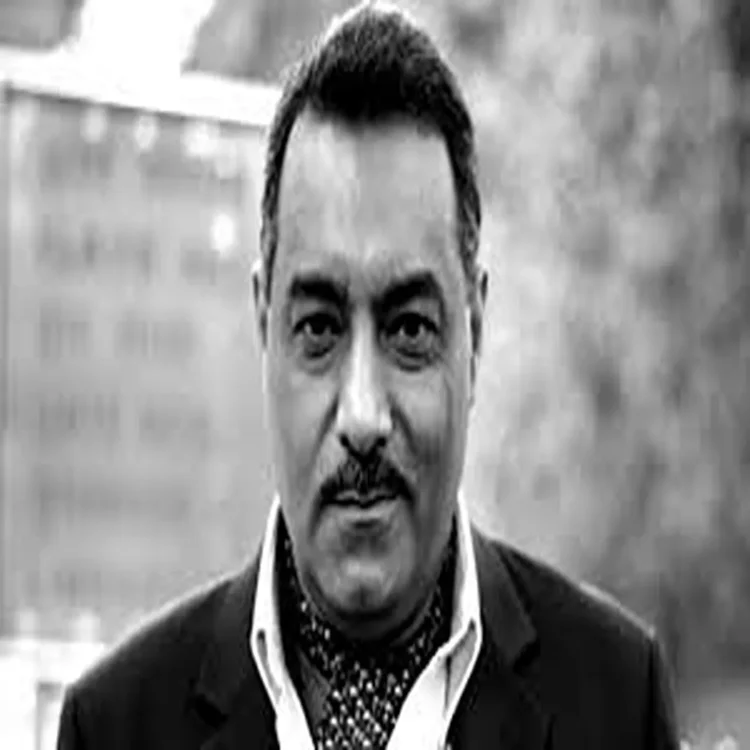
From Army Officer to Public Intellectual
Raza began his professional journey in uniform. Commissioned into the Indian Army, he served with the Grenadiers regiment and was deployed in counter-insurgency operations in the North-East during a turbulent phase in the region. His early years in service shaped his understanding of security challenges and military operations at the ground level.
After completing his tenure in active service, he shifted his focus to research, teaching and public discourse. Drawing on his field experience, he carved out a second career that would make him a widely recognised figure in discussions on national security and foreign policy.
Academic Pursuits and Military Training
Born into a family with a strong military background, Raza was educated at Mayo College before earning a degree in History from St. Stephen’s College in Delhi. He later trained at the Indian Military Academy, passing out in 1980, and eventually returned there as an instructor, mentoring future officers.
Following his resignation from the Army, he pursued advanced studies abroad. He obtained a Master’s degree in War Studies from King’s College London and later completed an MPhil in International Relations from the University of Cambridge. These academic experiences deepened his engagement with global strategic thought and conflict studies.
A Trusted Voice on Security Matters
Over the years, Maroof Raza became a familiar presence on television panels and at policy forums. He was often invited to explain complex military developments in clear and accessible language. Viewers came to associate him with what many described as a grounded, soldier’s viewpoint on sensitive security matters.
He frequently spoke about developments along the Line of Control with Pakistan and the Line of Actual Control with China. At a time when border tensions and regional security concerns dominated headlines, his analysis sought to place events within a broader historical and strategic framework.
Colleagues in the media and defence community noted his ability to translate technical military doctrine into terms that ordinary citizens could understand. His calm delivery and structured arguments helped foster more informed public conversations on defence and national security.
Author of Influential Works on Conflict
Raza also made a significant mark as an author. His early works, including Low Intensity Conflicts (1995) and Wars and No Peace Over Kashmir (1996), examined prolonged regional tensions and unconventional warfare. Years later, he revisited the Kashmir issue in Kashmir’s Untold Story: Declassified (2019), offering fresh insights based on documents and historical analysis.
In Contested Lands: India, China and the Boundary Dispute (2021), he turned his attention to the complex boundary question between India and China, exploring its diplomatic, military and geopolitical dimensions. Through his books, he contributed to a body of literature aimed at helping readers better understand the strategic environment surrounding India.
Tributes from National Leadership
Prime Minister Narendra Modi expressed condolences on Raza’s passing, acknowledging his contribution to journalism and public debate. In a message, the Prime Minister noted that Raza enriched discussions on defence and strategic affairs through his informed and balanced approach.
Others from the strategic community and media fraternity also remembered him as a bridge between the armed forces and the public sphere. His journey from the battlefield to the television studio reflected a lifelong commitment to explaining the realities of security policy without losing sight of professional discipline.
With his passing, India’s strategic discourse loses a voice that combined operational experience, academic depth and a commitment to public education.