
CrowdManagement – Western Railway Introduces Queue System at Nalasopara Station
CrowdManagement – In an effort to bring order to one of the busiest stops on the Mumbai suburban network, Western Railway has begun testing a structured crowd-control plan at Nalasopara railway station. The move is aimed at easing congestion during peak hours and improving passenger safety, particularly on platforms that see overwhelming footfall each day.
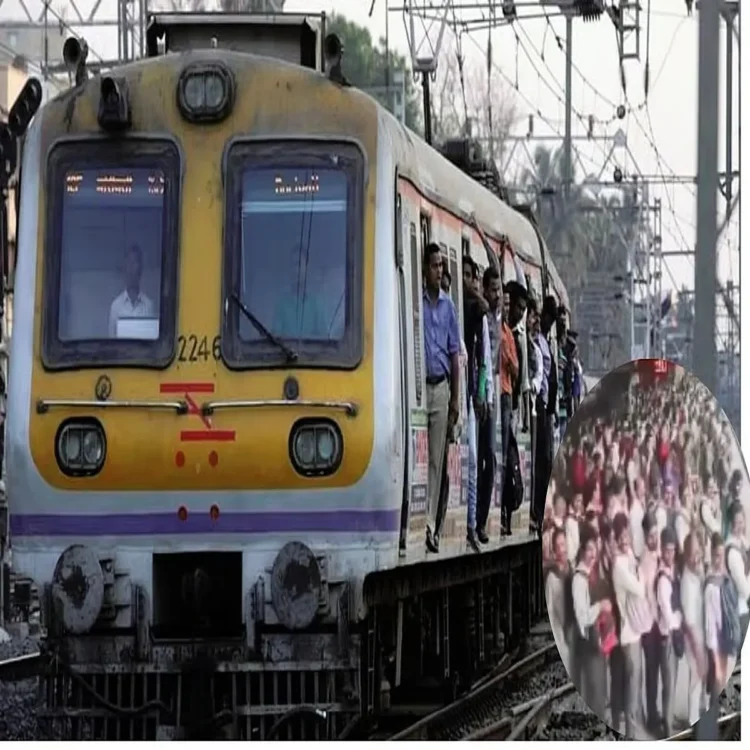
Rising Congestion Prompts Immediate Action
Nalasopara station, located on the Western line of the Mumbai local train network, handles thousands of office-goers and daily travellers. During morning and evening rush hours, platforms often become densely packed as commuters gather to board already crowded trains. The situation has frequently led to jostling, heated exchanges and confusion as passengers attempt to enter coaches before others have exited.
Railway authorities acknowledged that unmanaged crowds not only disrupt boarding but also pose safety concerns. To address this, officials have initiated a trial-based queue system designed to regulate passenger movement and ensure smoother train access.
Trial Queue System Rolled Out on Platform 1
According to a report published by Loksatta, the new arrangement came into effect on February 18 and is currently being implemented on Platform No. 1. Under the system, commuters waiting for local trains are required to stand in two clearly marked queues.
The revised boarding process also mandates that passengers allow all arriving travellers to disembark before attempting to enter the train. Railway officials believe this simple but structured approach will significantly reduce last-minute pushing and create a more disciplined environment on the platform.
Clear markings and on-ground staff assistance are being used to guide passengers and explain the process. Early observations suggest that many regular commuters are gradually adapting to the new arrangement, though authorities say consistent enforcement will be essential for long-term success.
Additional Security Personnel Deployed
To ensure effective implementation, Western Railway has stationed additional security staff at the platform. A total of 22 personnel have been assigned to oversee operations. This team includes 13 members from the Railway Protection Force and nine from the Maharashtra Security Force.
These officers have been mobilised from nearby stations such as Virar, Borivali, Bhayander, Vasai Road, Palghar and Dahanu Road. Their role is to manage queues, prevent overcrowding near coach doors and intervene in case of disputes.
Officials say the presence of trained personnel is critical, especially when heavily loaded trains arrive at the station. By maintaining orderly lines and supervising boarding, the authorities aim to reduce the risk of accidents and improve overall commuter experience.
Focus on Safety and Efficiency
Western Railway officials have indicated that the initiative is part of a broader effort to enhance commuter safety across the suburban network. With passenger numbers steadily increasing, structured crowd management is becoming a priority at several high-footfall stations.
If the trial at Nalasopara proves successful, similar systems could be considered at other busy locations along the route. For now, authorities are closely monitoring the response from commuters and assessing how effectively the new method handles peak-hour pressure.
Daily passengers have long demanded better crowd control measures, particularly at stations where trains arrive already filled to capacity. The railway administration hopes that disciplined boarding practices will not only improve safety but also reduce delays caused by chaotic entry and exit.
The coming weeks are expected to provide clearer insight into whether the queue system can deliver consistent results. Until then, railway staff remain focused on guiding commuters and ensuring that the new process becomes a routine part of daily travel at Nalasopara station.