
Corruption – Thackeray Camp Questions Political Protection for Accused Leaders
Corruption – India’s fight against corruption once again came under political spotlight on Saturday after the Uddhav Balasaheb Thackeray-led Shiv Sena sharply criticised what it called a system that protects influential individuals facing corruption allegations. The remarks appeared in an editorial published in the party’s mouthpiece Saamana, where the party argued that India cannot genuinely progress toward becoming a developed nation while political structures continue to shield those accused of financial wrongdoing.
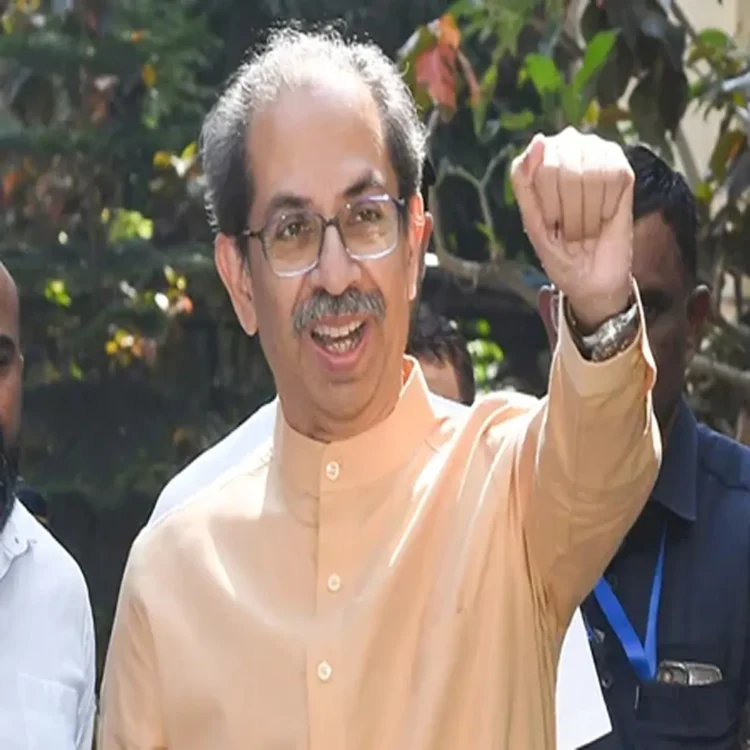
Editorial Raises Questions Over Corruption Policies
The editorial described corruption as one of the most serious threats facing the country and claimed that political leaders who depend on the support of allegedly corrupt individuals lose the moral standing to speak about nationalism or public integrity. According to the article, repeated attempts to shift public attention toward divisive social and communal debates whenever corruption controversies emerge could weaken democratic institutions in the long run.
The Shiv Sena faction also argued that public discourse is frequently redirected toward emotionally charged issues at times when questions are raised about accountability and misuse of power. The editorial warned that such trends may distract citizens from more pressing governance concerns, including transparency and institutional responsibility.
Comparison Drawn With China’s Anti-Corruption Measures
The Saamana editorial referred to recent developments in China while discussing global approaches to corruption. It cited reports that former Chinese Defence Ministers Wei Fenghe and Li Shangfu were punished by a military court in bribery-related cases despite their senior positions and close association with Chinese President Xi Jinping.
Using those examples, the editorial claimed that several countries enforce strict accountability standards even for influential political or military figures. It further mentioned nations such as South Korea and Japan, where former top leaders have reportedly faced imprisonment following corruption-related convictions.
In contrast, the article alleged that in India, individuals accused of financial misconduct or large-scale loan defaults often continue to enjoy political influence and protection. The editorial claimed that this creates a perception of unequal treatment within the political system.
BJP Targeted Over Induction of Opposition Leaders
A major portion of the editorial focused on criticism of the Bharatiya Janata Party and its handling of leaders who previously faced corruption allegations. Referring to Prime Minister Narendra Modi’s well-known slogan against corruption, the Thackeray camp alleged that several politicians accused by rival parties later received political acceptance after joining the BJP.
The editorial specifically mentioned West Bengal leader Suvendu Adhikari, claiming that despite earlier allegations made against him by BJP leaders, he was later welcomed into the party and elevated to an important political position.
The Shiv Sena faction also referred to political developments in Maharashtra, alleging that central agencies such as the Enforcement Directorate were used to pressure leaders from opposition parties during periods of political instability in the state. It further cited the example of AAP MP Ashok Mittal, claiming that he joined the BJP shortly after raids linked to investigative agencies were conducted on institutions associated with him.
Concerns Raised About Transparency and Public Trust
The editorial additionally questioned the transparency of the PM Cares Fund, describing it as a major financial entity that remains outside the purview of the Right to Information Act. According to the article, concerns over the lack of public scrutiny and allegations regarding political funding have contributed to wider debates around accountability in governance.
The Thackeray-led faction concluded by stating that India’s political system must end what it metaphorically called a “washing machine” culture, where corruption allegations appear to lose significance after political realignments. The editorial argued that stronger institutional mechanisms and equal treatment under the law are essential if the country hopes to build public trust and strengthen democratic values.