
Congress – Opposition Intensifies Resistance as New Rural Employment Scheme Nears Launch
Congress – The political debate surrounding India’s upcoming rural employment framework has intensified ahead of its nationwide rollout on July 1, with opposition parties and several state governments expressing serious reservations over its financial and administrative implications.
The Centre’s decision to introduce the new VB-G RAM G Act has drawn criticism from opposition leaders as well as organizations working for rural communities. They argue that the proposed framework could reduce the autonomy of state governments by concentrating key decisions at the central level. Critics also believe the legislation may weaken the legal protections currently available under the Mahatma Gandhi National Rural Employment Guarantee Act (MGNREGA).
Opposition Plans Protest and Legal Response
Rural workers’ groups have announced a nationwide protest on July 1 to oppose the implementation of the new programme. At the political level, the Congress has claimed that multiple states have already communicated their concerns over different aspects of the scheme.
The Telangana government is evaluating the possibility of challenging the legislation before the Supreme Court. State officials have indicated that discussions will be held with the governments of Karnataka and Kerala to determine whether a coordinated legal approach can be pursued. According to Telangana, such a move would focus on safeguarding the financial interests of the states affected by the new funding structure.
Congress Highlights Concerns Across States
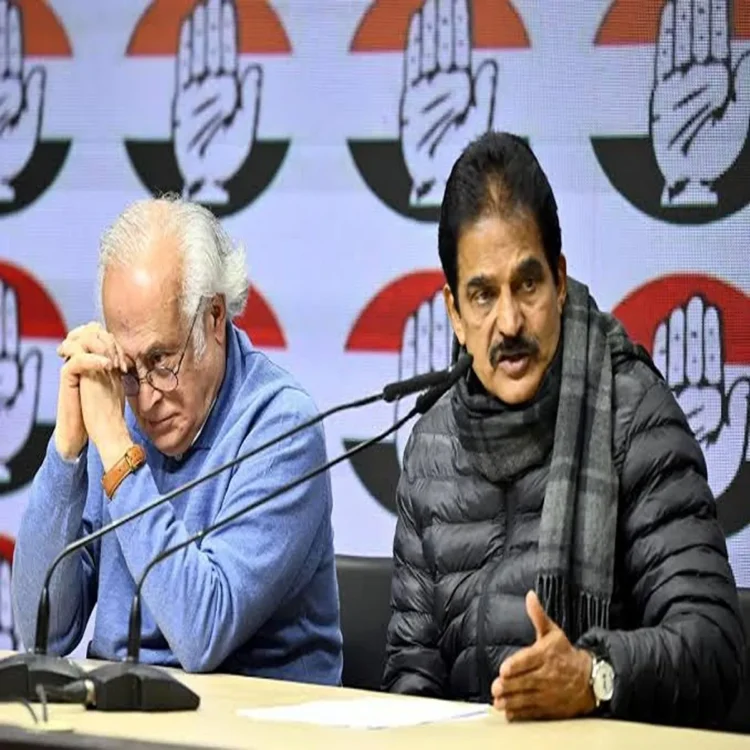
Congress general secretary Jairam Ramesh stated that opposition to certain provisions of the scheme is not limited to states governed by his party. In a post on X, he claimed that BJP-ruled Madhya Pradesh, Bihar and Uttarakhand have also expressed concern over the additional financial responsibility that states may be required to shoulder under the revised model.
Ramesh further alleged that four state governments have objected to the proposed blackout period during the peak agricultural season, arguing that it could affect rural employment opportunities when farm-related work is at its highest demand. He also noted that Madhya Pradesh, the home state of Union Rural Development Minister Shivraj Singh Chouhan, has reportedly raised questions regarding aspects of the new policy.
Debate Over Funding Model and Work Guarantee
Congress MP Saptagiri Ulaka, who heads the Parliamentary Standing Committee on Rural Development, said the biggest concern is the shift in the nature of the employment programme. He argued that while MGNREGA legally guarantees work to eligible rural households, the new scheme is designed around the availability of resources rather than a statutory right to employment.
Ulaka also questioned the proposed funding arrangement. According to him, the Centre and states are expected to share expenditure under a 60:40 formula. He warned that if any state is unable to contribute its financial share, implementation of the programme could come to a halt in that region, potentially affecting beneficiaries who depend on rural employment opportunities.
Centre Says Most States Are Ready
Despite the criticism, the Union government has maintained that preparations for implementation are progressing smoothly. According to official information, 26 states have already completed the procedural formalities required for launching the new scheme from July 1.
The government said that Jharkhand, Karnataka, Telangana and Mizoram are the only states where all necessary administrative requirements are yet to be completed. Officials remain confident that the remaining formalities will be addressed as the rollout moves forward.
The introduction of the VB-G RAM G Act has therefore become both an administrative exercise and a significant political issue, with debates continuing over fiscal responsibility, employment guarantees and the balance of powers between the Centre and the states as implementation begins.