
Conflict – Manipur Violence Displaces Thousands, Government Data Reveals Scale
Conflict – A fresh set of official data has shed light on the human cost of the prolonged ethnic unrest in Manipur, revealing that tens of thousands have been forced to leave their homes since violence broke out in May 2023. According to information released by the state government, 58,821 people have been displaced between May 3, 2023 and March 30, 2026.
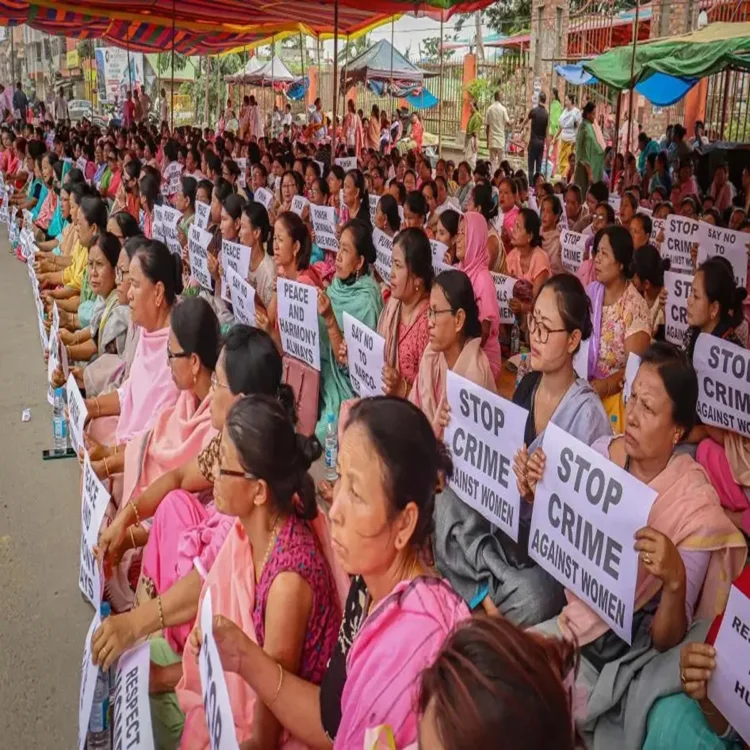
Government Data Released Through RTI
The figures came to light after a Right to Information (RTI) request filed by Manipur Congress leader Hareshwar Goshwami. The Home Department Secretariat provided the details on April 20, offering one of the most comprehensive official accounts of the ongoing crisis so far.
Goshwami later shared that obtaining the information was not straightforward. In a public statement, he noted that it took him nearly seven months of sustained effort to access the data on internally displaced persons. His remarks highlight concerns around transparency and the time it takes for such critical information to reach the public domain.
Casualties and Injuries Reported
The government’s response also included figures on casualties linked to the violence. It confirmed that 217 deaths have been recorded, based on ex-gratia compensation provided to the next of kin of victims. While the data does not provide a detailed breakdown of injuries, it acknowledges that a significant number of people have also been hurt during the clashes.
These numbers underline the severity of the conflict, which has continued to affect communities across the state for nearly three years.
Widespread Damage to Housing
In addition to displacement and casualties, the violence has caused extensive damage to residential properties. The data indicates that 7,894 houses have been completely destroyed, while another 2,646 homes have suffered partial damage since the unrest began.
To address the housing crisis, authorities have initiated construction efforts. The Manipur Police Housing Corporation Limited has built around 3,000 pre-fabricated houses to accommodate affected families. However, with thousands of homes lost, rehabilitation remains a major challenge.
Relief Camps Continue to Shelter Thousands
As of March 10, 2026, a total of 174 relief camps are operational across the state. These camps continue to house a large number of displaced individuals who have yet to return to their original homes.
Living conditions in these camps vary, and long-term displacement has raised concerns about access to basic services, education, and employment for those affected. The continued reliance on relief camps reflects the slow pace of resettlement and reconstruction in many areas.
Background of the Conflict
The violence in Manipur began in early May 2023, primarily involving clashes between the Meitei community, which is concentrated in the valley regions, and the Kuki groups residing in the hill districts. What started as localized tensions quickly escalated into widespread unrest, leading to significant loss of life and property.
Since then, the situation has seen periods of relative calm interspersed with renewed incidents, making it difficult for displaced families to return safely.
Ongoing Challenges and Concerns
The latest figures highlight the scale of the humanitarian situation but also raise questions about long-term recovery. Rehabilitation, rebuilding infrastructure, and restoring trust between communities remain key challenges for the administration.
As thousands continue to live away from their homes, the need for sustained policy measures and effective implementation becomes increasingly important. The data released through the RTI serves as a reminder of the lasting impact of the conflict and the work that still lies ahead.