
Conflict – Indian Worker Killed in Kuwait Amid Escalating Gulf Strikes
Conflict – An Indian citizen has lost his life in Kuwait following a strike linked to the ongoing conflict in West Asia, marking another tragic development as violence spreads across the Gulf region.
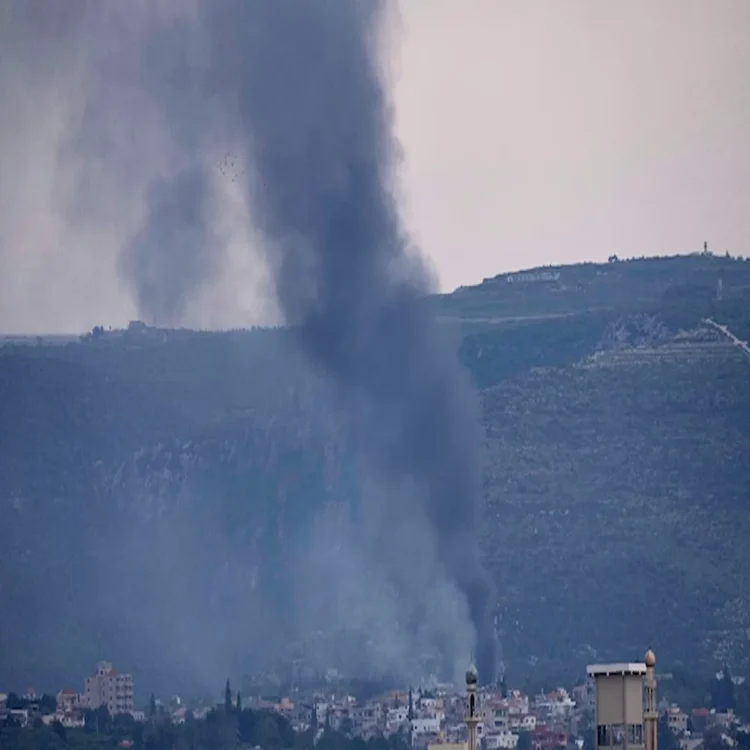
Fatal Strike Hits Key Utility Facility
The incident occurred at a power generation and water desalination facility in Kuwait, where a service building sustained damage during the attack. Authorities confirmed that the victim was an Indian worker present at the site when the strike took place. While officials have not disclosed the exact location of the plant, the damage has been described as severe, highlighting the vulnerability of critical infrastructure amid rising hostilities.
Kuwait’s Ministry of Electricity, Water and Renewable Energy stated that emergency teams were immediately dispatched to manage the situation. These teams worked swiftly to contain the impact of the strike and secure the affected area. Officials emphasized that established emergency protocols were followed to ensure safety and prevent further disruption.
Embassy Responds with Support Measures
Reacting to the incident, the Indian Embassy in Kuwait conveyed its condolences to the family of the deceased. In an official statement, the embassy confirmed that it is working closely with local authorities to provide necessary assistance and ensure that all required formalities are handled smoothly.
Diplomatic officials also indicated that support is being extended to the victim’s family during this difficult time. The embassy continues to monitor the situation and remains in contact with Kuwaiti authorities as part of ongoing coordination efforts.
Rising Toll Among Indian Nationals
With this latest incident, the number of Indian nationals who have died in connection with the conflict has increased to eight. These casualties have been reported from different parts of the Gulf region, reflecting the widespread impact of the ongoing tensions.
Earlier reports confirmed fatalities in countries such as Saudi Arabia, the United Arab Emirates, and Oman. In one recent case, an Indian national was killed in the UAE after debris from intercepted missiles fell onto a public street. Maritime incidents involving commercial vessels have also contributed to the growing casualty count.
Infrastructure and Services Remain Stable
Despite the damage caused by the strike, Kuwaiti authorities have assured that the country’s electricity and water supply systems continue to function normally. Officials confirmed that operational efficiency across the national grid has not been affected, and efforts are underway to repair the damaged facility.
Specialized technical teams are currently working to assess the extent of the damage and restore affected structures. Coordination between emergency responders and security agencies remains ongoing to ensure stability and prevent further risks.
Broader Conflict Intensifies Across Region
The latest developments come amid heightened tensions following recent military actions involving Iran, the United States, and Israel. Retaliatory strikes have expanded the scope of the conflict beyond initial flashpoints, bringing multiple Gulf nations into its orbit.
The situation has raised concerns about the safety of foreign workers and expatriates across the region, many of whom are employed in critical sectors such as energy and infrastructure. Governments are closely monitoring the evolving scenario as the risk of further escalation remains high.
Growing Concern for Civilian Safety
As the conflict continues to unfold, incidents involving civilian casualties and damage to essential facilities are becoming increasingly frequent. The death of the Indian worker in Kuwait underscores the broader humanitarian risks associated with the ongoing hostilities.
Authorities in affected countries have intensified emergency preparedness measures, while diplomatic missions are advising their nationals to remain cautious and stay updated on safety guidelines.
The situation remains fluid, with further developments expected as regional tensions persist.