
ClimateChange – Himalayan Ecosystem Faces Growing Threats From Warming Trends
ClimateChange – The Himalayan mountain range, often regarded as one of the planet’s most significant natural regions, is facing increasing environmental challenges. Scientists and environmental experts have raised concerns over rising temperatures, changing snowfall patterns, shrinking glaciers and growing human activity, all of which are placing immense pressure on this fragile ecosystem.
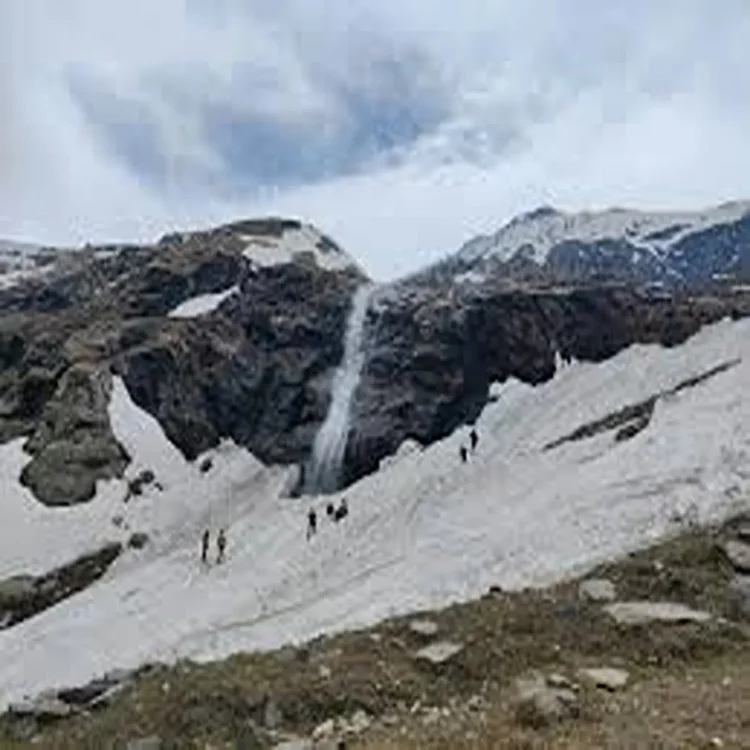
Climate Change Intensifying Environmental Stress
According to environmental scientist and academic Prof SP Sati, the condition of the Himalayas has worsened considerably in recent years. He explained that a combination of climate change, shifting weather cycles and increasing pollution is accelerating environmental degradation throughout the region.
Prof Sati noted that glaciers, which serve as critical freshwater reserves, are particularly vulnerable. He highlighted that changing climatic conditions and the growing presence of plastic waste in mountainous areas are directly affecting glacier health and long-term stability.
Impact Extends Beyond Mountain Regions
Experts emphasize that the consequences of environmental changes in the Himalayas are not limited to high-altitude areas. The region’s glaciers supply water to several major river systems across Asia, supporting millions of people living downstream.
Any significant disruption to glacier systems could affect water availability, agricultural productivity and regional weather conditions. Scientists also warn that changes in the Himalayan environment may increase the likelihood of natural disasters, creating additional risks for communities that depend on these resources.
Tourist Activity Adding Pressure
Dr Manish Mehta, a senior scientist and glaciologist at the Wadia Institute of Himalayan Geology, said tourism has expanded rapidly across many Himalayan destinations, including Uttarakhand, Himachal Pradesh and Ladakh.
According to Dr Mehta, visitor numbers have grown substantially in recent years, leading to greater pressure on local ecosystems. Increased tourism often results in higher waste generation, greater demand for infrastructure and additional stress on environmentally sensitive locations.
Researchers believe that careful management of tourism activities will be necessary to reduce long-term impacts on the mountain environment while allowing sustainable economic development in the region.
Thousands of Glaciers Showing Signs of Retreat
Scientific assessments indicate that the Himalayan region contains approximately 12,000 glaciers of varying sizes. Many of these ice formations are now retreating at a concerning rate.
Studies conducted across different Himalayan zones suggest that glacier retreat ranges from around one metre to as much as 20 metres annually, depending on factors such as geographical location, glacier size and local climatic conditions.
Dr Mehta stated that glacier recession is being observed across a wide stretch of the Himalayas, including areas in Uttarakhand, Himachal Pradesh, Ladakh and parts of North-East India. Researchers continue to monitor these changes closely to better understand their long-term implications.
Shifting Snowfall Patterns Raise New Concerns
Another major concern identified by scientists is the changing timing of snowfall. Historically, substantial snowfall during December, January and February played an important role in replenishing glaciers and maintaining ice accumulation.
However, experts report that snowfall is increasingly occurring later in the year, often during March, April and May. This shift can influence how glaciers gain and retain ice, potentially affecting their ability to sustain water supplies over time.
Researchers say continued monitoring and stronger environmental protection measures will be essential to safeguard the Himalayas, which remain one of Asia’s most important ecological and water-resource systems.