
Citizenship – Supreme Court Orders Fresh Review of 27 Foreigners Tribunal Cases
Citizenship – The Supreme Court has overturned 27 judgments delivered by the Gauhati High Court that had affirmed decisions of Foreigners Tribunals declaring several individuals as foreigners. The apex court ruled that issues concerning citizenship cannot be decided without ensuring a fair, lawful and reasonable procedure. The cases have now been sent back to the respective tribunals for a fresh hearing, giving the appellants another opportunity to present their claims before an independent authority.
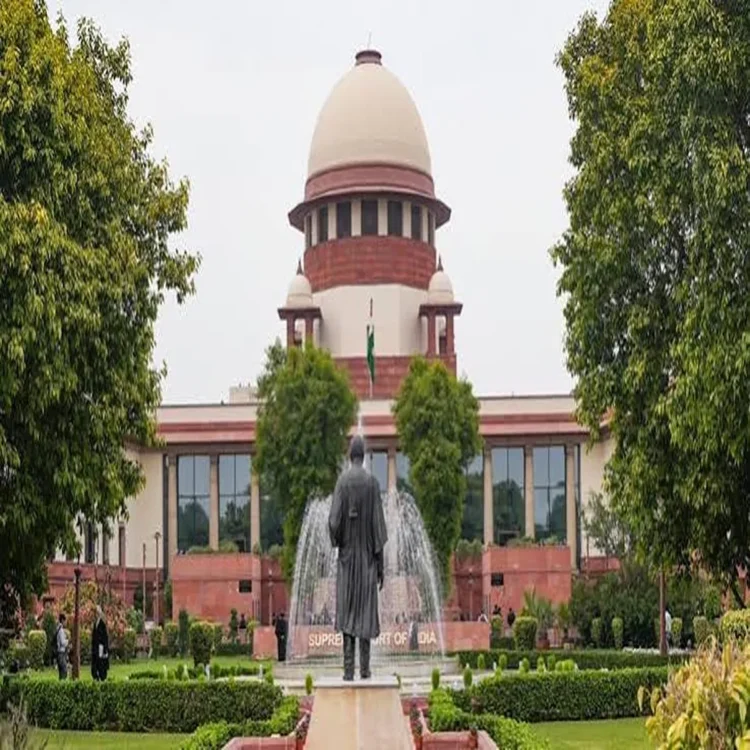
Supreme Court Emphasises Fair Procedure
According to court proceedings, a Bench comprising Justices Vikram Nath and Sandeep Mehta observed that matters involving citizenship carry immense constitutional and legal importance. The judges stated that any decision capable of affecting a person’s citizenship status must follow due process and uphold the principles of natural justice.
The Bench made it clear that the tribunals must independently assess each case while ensuring that all parties receive a proper opportunity to present their evidence. The ruling underlines that procedural fairness is essential whenever a person’s legal identity and constitutional rights are under examination.
All Cases Sent Back for Fresh Adjudication
The Supreme Court directed the concerned Foreigners Tribunals to hear all 27 matters again from the beginning. While issuing its order, the court instructed the tribunals not to be influenced by the findings recorded either in their earlier decisions or by the Gauhati High Court while reconsidering the disputes.
This direction is expected to ensure that every case is evaluated solely on the basis of the evidence and submissions placed before the tribunal during the fresh proceedings. The court stressed that an independent assessment is necessary to maintain confidence in the judicial process.
Appeals Originated From Ex Parte Tribunal Orders
The appeals before the Supreme Court arose after several individuals challenged ex parte decisions passed by the Foreigners Tribunals. Those earlier orders had declared the appellants to be foreigners without their effective participation in the proceedings. The Gauhati High Court had later upheld those tribunal decisions when the affected individuals approached it for relief.
By setting aside the High Court’s judgments, the Supreme Court has reopened the legal process for the appellants, allowing the disputes to be reconsidered through a fresh hearing rather than relying on the earlier conclusions.
High Court Had Cited Delay and Legal Burden
While dismissing the petitions earlier, the Gauhati High Court had pointed out that the tribunal decisions were challenged after nearly 23 years. The High Court also observed that notices had been served on the petitioners, but they had not appeared before the tribunals during the original proceedings.
Another important factor considered by the High Court was Section 9 of the Foreigners Act, 1946. The provision places the responsibility of proving Indian citizenship on the individual concerned instead of the government. Relying on this statutory requirement, the High Court had upheld the tribunal opinions declaring the appellants as foreigners.
Constitutional Significance of the Decision
The Supreme Court’s latest ruling does not determine whether the appellants are Indian citizens or foreigners. Instead, it focuses on ensuring that such sensitive questions are decided only after following a legally sound and transparent process. By directing a fresh examination of all 27 cases, the court has reinforced the principle that decisions involving citizenship must be based on fairness, independent consideration and adherence to the rule of law.