
Census – Digital Self-Enumeration for 2027 Census Begins in Delhi
Census – The process of self-enumeration for the upcoming Census 2027 officially commenced in the national capital on Friday, marking a significant step toward modernising data collection. On the very first day, several prominent figures, including Delhi’s Lieutenant Governor Taranjit Singh Sandhu and Chief Minister Rekha Gupta, completed the process, encouraging residents to participate actively.
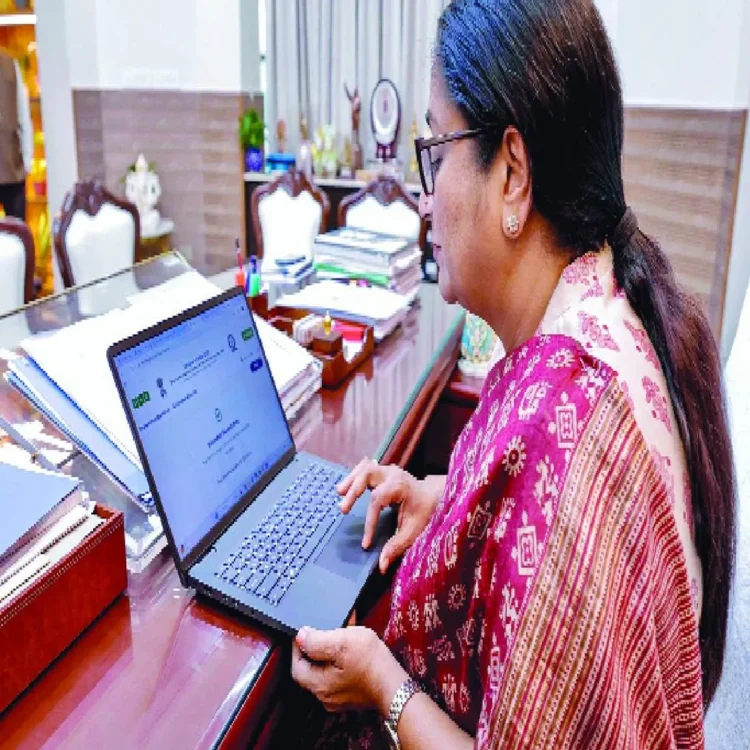
Government Urges Public Participation
Chief Minister Rekha Gupta described the system as user-friendly and secure, emphasising its importance in shaping future governance. She highlighted that reliable and precise data plays a crucial role in designing policies that effectively address the needs of citizens. Appealing to the public, she stressed that participation in the exercise would ensure that benefits reach the right sections of society.
Similarly, the Lieutenant Governor called upon residents across the city to take part in the initiative. In a public message, he noted that citizen involvement is essential for building a comprehensive and accurate database that will guide development planning for both the city and the country.
Digital-First Approach to Data Collection
The self-enumeration exercise represents a shift toward a digital-first model, allowing individuals to directly submit household details through an online platform. Officials believe this approach will enhance transparency and reduce errors often associated with manual data collection.
According to authorities, the system empowers households to ensure that their information is correctly recorded. This method is expected to improve the overall quality of census data, which forms the backbone of policymaking and resource allocation.
Coverage Across Municipal Areas
The initiative has already been implemented in areas governed by the New Delhi Municipal Council and the Delhi Cantonment Board, where traditional door-to-door surveys are also ongoing. In the Municipal Corporation of Delhi’s 250 wards, residents can voluntarily complete the self-enumeration process between May 1 and May 15.
Officials clarified that participation is open to all residents living within these wards, regardless of their domicile status. This inclusive approach aims to ensure that every individual residing in the city is accounted for in the national database.
How the Self-Enumeration Process Works
Residents are required to log in to the official census portal and provide details about their household. Only one account per household is needed, and any family member can complete the process using a valid mobile number.
During registration, users must select their preferred language, which cannot be modified later. The system supports multiple languages to make it accessible to a wider audience. Respondents are also required to provide the geographical coordinates of their residence. This can be done by selecting a location on a digital map, searching the address within the portal, or manually entering latitude and longitude details.
Once the information is submitted, the system generates a unique 11-digit self-enumeration identification number. This ID will be required when census officials visit homes during the houselisting phase scheduled from May 16 to June 14.
Multilingual Platform and Accuracy Measures
To improve accessibility, the portal is available in 16 languages, including Hindi, English, Bengali, Tamil, and Urdu. It also features built-in guidance tools such as frequently asked questions, prompts, and validation checks designed to minimise errors during data entry.
Authorities have underlined that these features are intended to make the process smoother and more reliable for users while ensuring the accuracy of collected data.
Importance of Reliable Census Data
Census data plays a vital role in governance, influencing decisions related to infrastructure, healthcare, education, and social welfare. Officials believe that the integration of digital tools will not only streamline the process but also lead to more precise and inclusive data collection.
As the exercise progresses, authorities continue to encourage residents to participate voluntarily and contribute to building a comprehensive demographic profile of the city.