
Census – Digital Door-to-Door Survey Expands Across Odisha After Self-Enumeration Phase
Census – A large-scale digital census exercise has begun across Bhubaneswar and other parts of Odisha, marking the next step in preparations for India’s upcoming Census 2027. The initiative follows the completion of a self-enumeration phase held between April 1 and April 15, during which a significant number of residents voluntarily submitted their details online. Authorities have now shifted focus to physical verification and data collection through field visits.
Self-Enumeration Sees Strong Public Participation
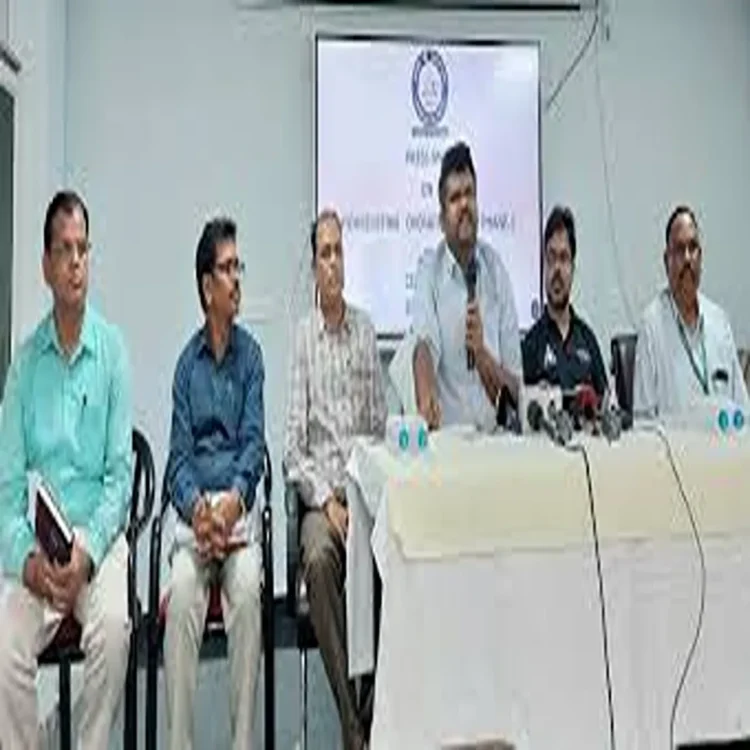
Officials reported that more than two lakh residents across Odisha took part in the initial self-enumeration phase. Participants were required to fill out detailed forms consisting of 33 questions covering household and personal information. This digital-first approach is being introduced for the first time in India’s census history, offering citizens the option to submit their data independently before field verification begins.
Bhubaneswar Mayor Sulochana Das noted that the response from residents has been encouraging, reflecting growing awareness and acceptance of digital governance initiatives. The data collected during this phase is expected to streamline the next stages of the census process.
Door-to-Door Verification Now Underway
Following the online phase, over 3,000 enumerators have been deployed across Bhubaneswar and other regions to conduct door-to-door visits. Their role is to verify the information already submitted and gather additional details from households that did not participate in the digital phase.
Officials emphasized that this step is crucial to ensure the accuracy and completeness of the census database. Enumerators are equipped with digital tools to record and update information in real time, reducing the chances of manual errors and delays.
Importance of Accurate Information for Policy Planning
Authorities have urged residents to cooperate fully with the enumerators and provide correct and complete information. The data collected through the census plays a key role in shaping government policies, welfare programs, and infrastructure planning.
According to officials, the information gathered will help assess economic conditions, living standards, and social indicators across different regions. This, in turn, enables better allocation of resources and more targeted development strategies.
Census 2027 to Introduce New Features
Census 2027 will be India’s 16th national census and the eighth since Independence. One of its most notable features is the integration of digital tools and self-enumeration options, marking a shift toward more technology-driven data collection methods.
The census will be conducted in two phases. The first phase, known as the Houselisting and Housing Census, is scheduled to take place between April and September 2026. This phase will collect information about housing conditions, available amenities, and household assets. A short self-enumeration window will precede the physical survey in each area.
Second Phase to Capture Detailed Population Data
The second phase, referred to as Population Enumeration, is planned for February 2027 in most parts of the country. However, in regions with challenging weather conditions such as Ladakh and certain areas of Jammu and Kashmir, Uttarakhand, and Himachal Pradesh, the process will be conducted later in September 2027.
During this phase, enumerators will collect detailed information on individuals, including demographic data, education levels, migration patterns, and fertility rates. Additionally, caste data will also be recorded, following a decision by the Cabinet Committee on Political Affairs.
Public Cooperation Key to Success
Officials have reiterated that public participation remains essential for the success of the census. While digital tools have simplified the process, accurate data ultimately depends on honest and complete responses from citizens.
As the door-to-door survey progresses, authorities continue to encourage residents to engage actively and support enumerators in their work. The information collected will serve as a foundation for national planning and long-term development initiatives.