
CauveryDispute – Karnataka Signals Dialogue With Tamil Nadu Amid NEET Reform Debate
CauveryDispute – Karnataka Chief Minister D.K. Shivakumar on Friday expressed willingness to hold direct discussions with the Tamil Nadu government over the long-standing Cauvery River water-sharing issue, while also welcoming the Union government’s decision to initiate consultations on the country’s education system following nationwide protests over the NEET examination.
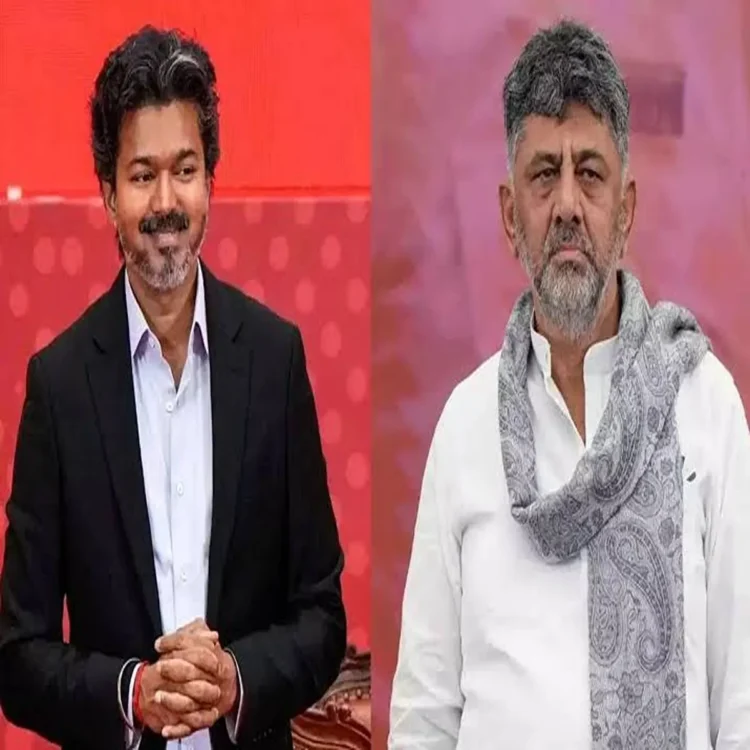
Speaking to reporters after attending the CEOs’ Breakfast Meeting ahead of the Bengaluru Tech Summit, Shivakumar said Karnataka remains open to constructive engagement with all stakeholders on matters related to the Cauvery dispute. He stressed that dialogue remains an important way to address issues that affect both neighbouring states.
Karnataka Open to Direct Discussions
Responding to questions about a reported letter from the Tamil Nadu Chief Minister regarding the Cauvery issue, Shivakumar declined to disclose its contents. He explained that the state government had been occupied with Cabinet expansion and other administrative responsibilities during the past week.
He added that Karnataka is prepared to communicate openly with all concerned parties and work together wherever possible. According to the Chief Minister, cooperation and discussion remain essential in resolving complex inter-state matters.
Preparations Underway for Possible Chief Ministers’ Meeting
Sources familiar with the developments indicated that efforts are in progress to arrange a meeting between Karnataka Chief Minister D.K. Shivakumar and Tamil Nadu Chief Minister C. Joseph Vijay. The proposed talks are expected to cover several important subjects, including the long-pending Mekedatu balancing reservoir project.
If the meeting takes place, it would be one of the few occasions in recent decades when the heads of the two state governments have held direct discussions on the Cauvery dispute and other shared concerns. Officials said the Tamil Nadu government sought a meeting, after which Karnataka reportedly invited Chief Minister Vijay to Bengaluru on August 3. However, there has been no official confirmation on whether the invitation has been accepted.
Longstanding Position on the Cauvery Issue
For many years, successive governments in Tamil Nadu led by both the DMK and the AIADMK have maintained that the Cauvery water-sharing dispute has already been settled through the Cauvery Water Disputes Tribunal award and subsequent Supreme Court rulings. As a result, direct political negotiations on the matter have generally not taken place between the two states.
Despite these established positions, the latest developments suggest that both governments may be exploring opportunities for dialogue while continuing to safeguard their respective interests. Any formal meeting between the two Chief Ministers would be closely watched, particularly because of its potential significance for future cooperation on river water management and infrastructure projects.
Centre’s Move on NEET Receives Support
Apart from the Cauvery issue, Shivakumar also commented on the ongoing national discussion surrounding the NEET examination. He welcomed the Central government’s decision to examine concerns related to the education system after widespread student protests and public debate over the entrance test.
The Karnataka Chief Minister said it was encouraging that Prime Minister Narendra Modi and the Union government had decided to engage in discussions on educational reforms. According to him, the focus should remain on protecting the future of students and ensuring that the education system continues to serve young people fairly and effectively.
Focus on Cooperation and Public Interest
The remarks come at a time when debates over NEET continue across the country, with students, educators and political parties seeking improvements in the examination and admission process. At the same time, the Cauvery water-sharing issue remains an important subject for both Karnataka and Tamil Nadu.
Shivakumar reiterated that the Karnataka government is committed to protecting the interests of the state’s people while maintaining communication and cooperation with neighbouring states wherever constructive engagement can help address inter-state concerns.