
Cannabis Policy – Himachal Pradesh Clears Regulated Medicinal Cannabis Cultivation Framework
Cannabis Policy – Himachal Pradesh has formally introduced a regulated legal framework that permits the cultivation of cannabis exclusively for approved medicinal and scientific purposes, making it the third Indian state to adopt such a policy after Uttarakhand and Madhya Pradesh.
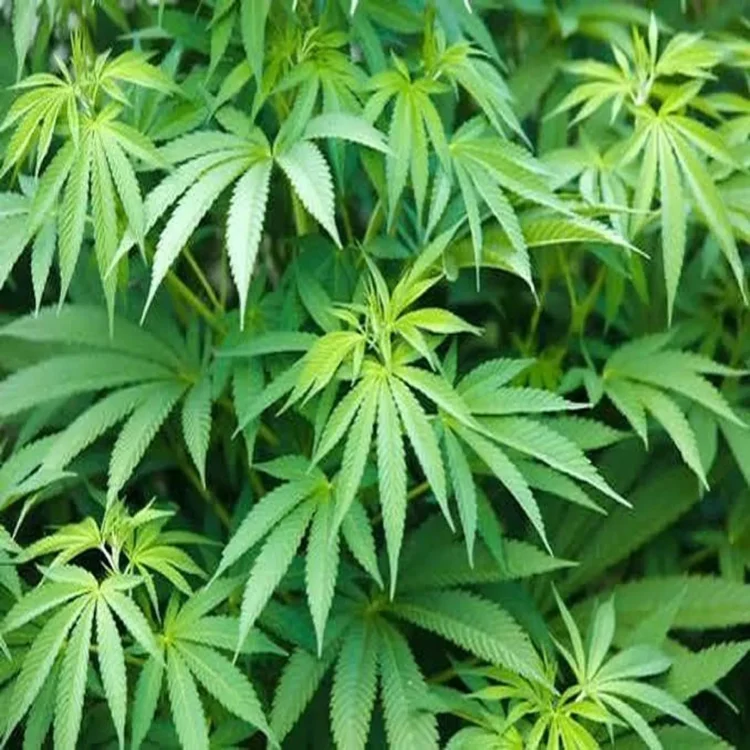
The state government has notified the Himachal Pradesh Narcotic Drugs and Psychotropic Substances (Amendment) Rules, 2026, creating a comprehensive regulatory structure for the cultivation, storage, transportation, research, processing and manufacturing of cannabis intended for medical and scientific use. Officials have emphasized that the policy has been designed with strict safeguards to prevent misuse while encouraging research and investment in the sector.
Strict Conditions for Cultivation
Under the newly notified rules, cannabis cultivation will be allowed only under tightly controlled conditions. Licensed growers must cultivate the crop on geographically connected land parcels measuring at least three acres. Farming will not be permitted in open fields and must instead take place inside enclosed facilities such as greenhouses or polyhouses located within fully fenced premises.
Every authorised cultivation site must also be geo-tagged to ensure accurate monitoring and complete traceability. However, the minimum landholding requirement has been relaxed for government departments, universities and recognised research institutions carrying out scientific studies.
Measures to Prevent Diversion and Misuse
The notification clearly states that cannabis produced under the policy cannot be diverted for recreational purposes or commercial use beyond the approved legal framework. Individuals or entities holding licences will not be allowed to consume, sell or transport any part of the cannabis plant unless specifically authorised for medical or scientific activities.
Authorities have introduced mandatory security standards for cultivation sites and warehouses. These include a single controlled entry and exit point, continuous CCTV surveillance, secure locking arrangements and proper visitor registers to strengthen oversight and reduce the risk of unauthorised access.
Storage, Documentation and Seed Regulations
Licensed cultivators must establish dedicated warehouses before harvesting begins to safely store the produce. They will also be required to maintain detailed records covering cultivation activities, harvest quantities, produce weighing and any attempted or confirmed unauthorised access to licensed facilities.
The rules further specify that only indigenous certified cannabis seeds sourced from authorised suppliers may be used. Each seed batch must be accompanied by a certificate of analysis detailing its cannabinoid composition. Seed suppliers themselves will require licences from the Excise Collector for purchasing, storing and supplying seeds, along with transport permits for the movement of cannabis-related material.
Licensing Framework for Manufacturing Units
The government has also introduced separate licensing requirements for companies planning to process cannabis or manufacture cannabis-based products. Businesses seeking to establish manufacturing facilities must invest a minimum of Rs 100 crore.
In addition, such units will be required to pay a 3 percent state cess on their annual turnover, comprising a 2 percent milk cess and a 1 percent environment cess. The administration expects these provisions to support state welfare initiatives while ensuring regulated industrial development.
Oversight Committees to Monitor Implementation
To oversee the implementation of the policy, the government will establish a State-Level Review Committee responsible for examining applications related to cultivation, processing, manufacturing, warehousing and research activities.
District-level committees will supervise compliance and coordinate among departments including Agriculture, Excise, Police, Revenue and AYUSH. The government believes this institutional mechanism will simplify approvals while ensuring effective enforcement across the state.
Revenue Expectations and Industry Outlook
The amended rules became effective after their publication in the official e-Gazette on Thursday. The notification issued by the Secretary of the State Taxes and Excise Department formally amends the Himachal Pradesh Narcotic Drugs and Psychotropic Substances Rules, 1989, and lays down a detailed legal framework governing every stage of the medicinal cannabis supply chain.
The state government estimates that the regulated industry could generate nearly Rs 500 crore in additional annual revenue. Himachal Pradesh’s favourable climatic conditions, particularly in regions such as Kullu, Manali, Mandi, Chamba, Shimla and Sirmaur, are considered well suited for cannabis cultivation. With this move, the state joins Uttarakhand and Madhya Pradesh, where regulated cannabis farming is already permitted primarily to support pharmaceutical manufacturing and scientific research.