
CampusNews – Hansraj College Row May See Student Suspensions Revoked Soon
CampusNews – The suspension of several students at Delhi University’s Hansraj College could be reconsidered as authorities prepare for a key internal meeting scheduled for Tuesday, according to officials familiar with the matter.
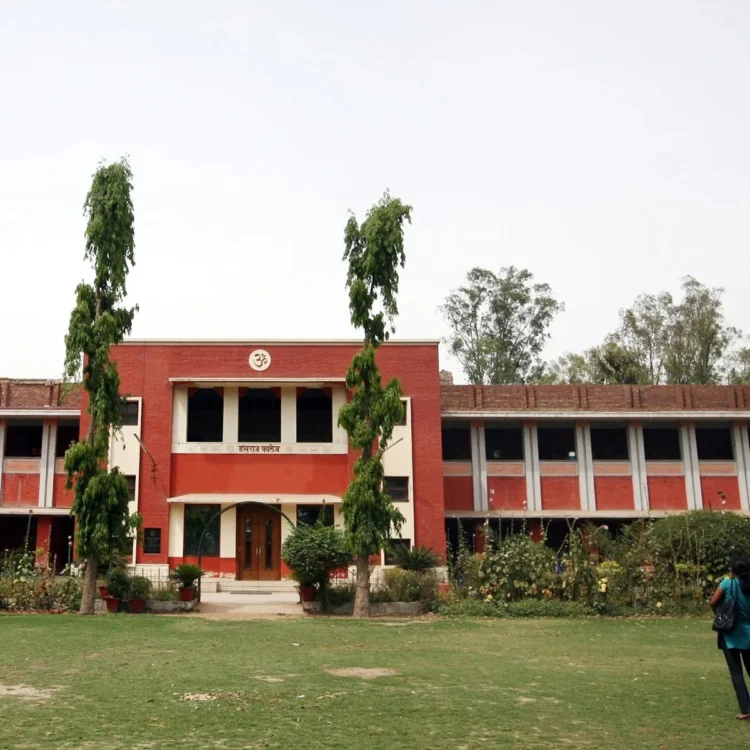
Committee Review Likely to Decide Next Steps
The development follows mounting pressure from students who staged demonstrations on campus earlier this week. The protest erupted after the college administration took disciplinary action against nearly 30 students, citing a range of allegations including misconduct during a college festival and activities on social media that were deemed damaging to the institution’s reputation.
Sources indicated that the suspension orders have been temporarily put on hold pending discussions within a designated committee. The outcome of this meeting is expected to determine whether the disciplinary measures will be upheld, modified, or withdrawn.
Background of the Controversy
The situation at Hansraj College has been evolving over several weeks, with tensions steadily escalating. The controversy initially surfaced when students raised concerns about the reported use of college premises for a private wedding function linked to the principal’s family. This sparked questions regarding administrative accountability and appropriate use of institutional facilities.
Students began organizing discussions and protests, seeking clarity and transparency from the college administration. Many argued that educational spaces should remain strictly reserved for academic and official purposes, rather than personal events.
Suspension of Students Intensifies Protests
The issue took a sharper turn when Parth Srivastava, a student who had been vocal about the matter, was suspended. His suspension drew widespread attention among the student body, with several students interpreting the action as an attempt to silence dissent.
Following this, demonstrations gained momentum, with students voicing concerns over what they described as disproportionate disciplinary action. Many participants in the protests maintained that raising questions about administrative decisions should not result in punitive measures.
Between April 20 and April 25, the college issued suspension notices to around 30 students. Among those affected were four office-bearers of the students’ union. The administration stated that the actions were based on multiple grounds, including alleged indiscipline, inappropriate language, and incidents linked to the annual college fest held on April 8 and 9.
Student Leaders Respond to Administrative Action
Student representatives have strongly criticized the suspensions. Abhijit Singh, president of the students’ union and one of the individuals named in the suspension notice, confirmed that the orders are currently under review. He stated that the administration has agreed to revisit the issue through a formal committee discussion.
Meanwhile, Delhi University Students’ Union president Aryan Mann expressed concern over the broader implications of the move. He described the suspensions as a serious challenge to student representation and participation, arguing that elected representatives should not face penalties for raising concerns or engaging in protest activities.
Legal Action Adds Another Layer
In a parallel development, legal proceedings have also been initiated. On April 24, an FIR was registered at Maurice Nagar Police Station against 14 students following a complaint filed by the college principal. The charges include allegations related to trespassing and causing harm, reportedly connected to incidents during the college festival earlier in April.
This legal step has further complicated the situation, adding to the uncertainty surrounding the future of the suspended students.
Awaiting Final Decision
As the committee prepares to deliberate, both students and faculty members are closely watching for a resolution. The outcome will likely influence not only those directly affected but also broader discussions around campus governance, student rights, and institutional accountability.
For now, the focus remains on Tuesday’s meeting, which could play a decisive role in shaping the next phase of this ongoing campus dispute.