
Budget – Delhi Allocates Higher Funds to Strengthen Civic Infrastructure
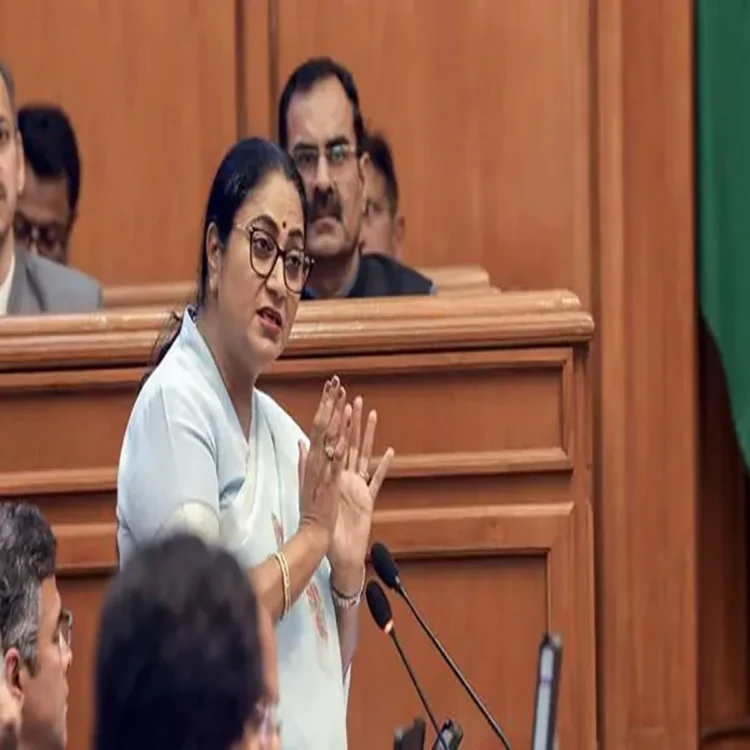
Budget – The Delhi government has significantly increased its financial support for local civic bodies in its 2026–27 budget, underlining a broader vision to transform the capital into a cleaner and more developed urban space. Chief Minister Rekha Gupta, while presenting her second budget, announced a total allocation of Rs 11,412 crore for municipal institutions across the city.
Major Increase in Civic Funding
A large share of this allocation—Rs 11,266 crore—has been designated for the Municipal Corporation of Delhi (MCD), while Rs 146 crore will be distributed between the New Delhi Municipal Council and the Delhi Cantonment Board. This marks a sharp rise of 65.47 per cent compared to the previous year’s allocation of Rs 6,897 crore, indicating a strong push toward improving civic infrastructure and services.
Focus on Road Infrastructure
To address long-standing concerns related to road conditions, the government has proposed an investment of around Rs 1,000 crore specifically for strengthening and upgrading roads managed by the MCD. The initiative aims to enhance road durability and improve daily commuting conditions for residents.
Plans for Modern Parking Facilities
In an effort to ease traffic congestion and improve urban mobility, the government has also outlined plans to develop five new modern parking facilities. These projects will be executed in partnership with civic authorities and are expected to help streamline vehicle management in busy areas.
Allocation for Pollution Control Measures
Tackling pollution remains a key priority in the budget. An allocation of Rs 204 crore has been made for pollution control initiatives under the MCD. These funds are expected to support measures aimed at improving air quality and reducing environmental risks across the city.
Expansion of Waste Processing Capacity
The government has also announced plans to significantly enhance Delhi’s waste processing capabilities. The current capacity of 7,000 metric tonnes per day is targeted to be increased to 15,000 metric tonnes. This expansion is intended to improve waste management efficiency and reduce the burden on landfill sites.
Waste-to-Energy Projects and Progress on Legacy Waste
Provisions have been included for expanding waste-to-energy plants at key locations such as Narela, Okhla, Ghazipur, and Tehkhand. These facilities are expected to play a crucial role in converting waste into usable energy, thereby contributing to sustainable urban development.
The Chief Minister also highlighted progress in clearing legacy waste at major landfill sites. Ghazipur has recorded a reduction of 16 per cent in accumulated waste, while Bhalaswa and Okhla have achieved reductions of 54 per cent and 68 per cent, respectively. These improvements indicate ongoing efforts to address one of the city’s most pressing environmental challenges.
Overall, the increased allocation and targeted initiatives reflect a comprehensive approach toward strengthening civic infrastructure, improving environmental conditions, and enhancing the quality of life for Delhi residents.