
Politics – Nitish Kumar Steps Down From Council Ahead of Rajya Sabha Role
Politics – Bihar Chief Minister Nitish Kumar on Monday formally resigned from his position in the state’s Legislative Council, completing a constitutional formality required before taking up his new role as a member of the Rajya Sabha.
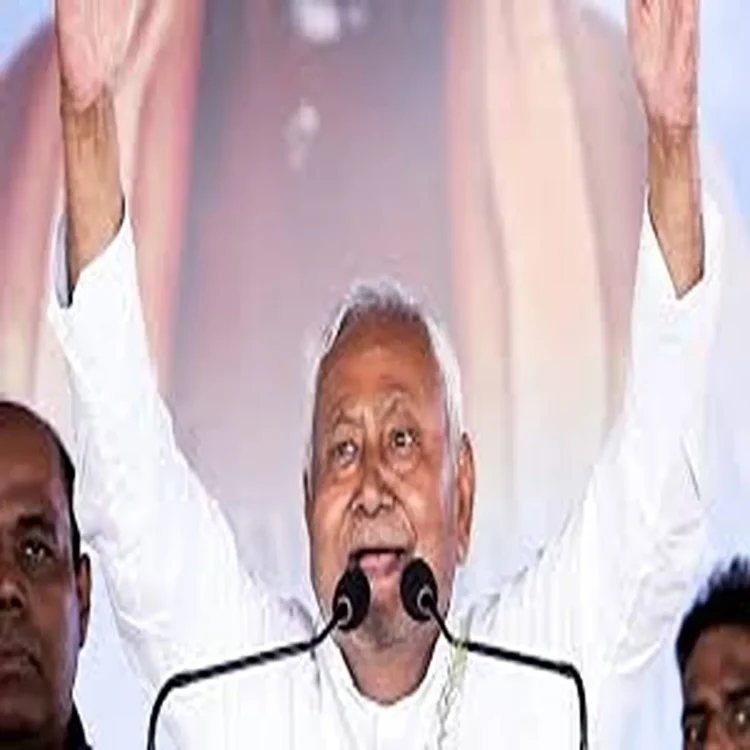
Having been elected to the Upper House of Parliament on March 16, Kumar received his official election certificate the same day. He is now set to take oath as a Rajya Sabha MP on April 10, marking a significant shift in his long-standing political journey.
Constitutional Requirement Drives Resignation
Under existing constitutional rules, any individual elected to Parliament must relinquish their seat in a state legislature within 14 days. Failure to do so would result in the cancellation of their parliamentary membership.
Adhering to this mandate, Kumar submitted his resignation on March 30. The letter was handed over by Member of Legislative Council Sanjay Gandhi on his behalf, ensuring compliance within the stipulated timeframe.
End of a Long Legislative Council Tenure
Kumar’s resignation also brings to a close his extensive association with the Bihar Legislative Council, which began in 2006. Over nearly two decades, he served four consecutive terms — from 2006 to 2012, 2012 to 2018, 2018 to 2024, and then again from 2024 until his recent resignation.
Throughout his tenure as Chief Minister, which began in November 2005, Kumar chose to remain a member of the Legislative Council rather than contest elections for the Legislative Assembly. This approach allowed him to lead the state government while being part of the Upper House of the state legislature.
A Career Spanning Multiple Legislative Bodies
Before his long stint in the Legislative Council, Kumar had also served as a Member of the Legislative Assembly from Harnaut in 1985. Additionally, he has experience at the national level as a member of the Lok Sabha.
With his entry into the Rajya Sabha, Kumar is set to achieve a rare distinction in Indian politics — having been a part of all four key legislative institutions: the Bihar Legislative Assembly, the Lok Sabha, the Legislative Council, and now the Rajya Sabha. This milestone reflects the breadth and longevity of his political career.
Implications for Chief Minister Position
Following his resignation from the Legislative Council, constitutional norms indicate that Kumar would also need to step down as Chief Minister. However, provisions allow a Chief Minister to continue in office for up to six months without being a member of either house of the state legislature.
During this period, he must either secure membership in the state legislature again or consider an alternative political arrangement. This window provides flexibility as he transitions into his new parliamentary role.
A New Phase in Political Journey
Nitish Kumar’s move to the Rajya Sabha signals the beginning of a new chapter in a political career that started over four decades ago in 1985. His formal induction into Parliament’s Upper House on April 10 is expected to have wider implications for Bihar’s political dynamics.
Observers believe this transition could influence both state and national political strategies in the months ahead, as Kumar brings his extensive administrative and legislative experience to the national stage.