
Bengaluru: New Metro Feeder Bus Route Set to Transform Last-Mile Connectivity in East Bengaluru
Bengaluru: Bengaluru’s public transport network is taking another practical step forward with the launch of a new metro feeder bus route in the eastern part of the city. This initiative reflects a growing focus on improving everyday travel by ensuring smoother connections between different transport modes. As metro usage continues to increase across Bengaluru, dependable feeder services are becoming essential for commuters who struggle with last-mile access from their homes to nearby stations.
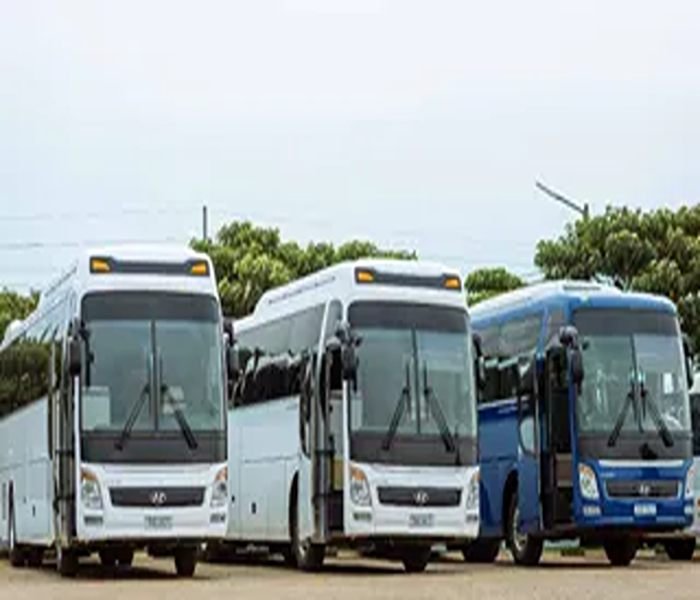
Strengthening Urban Mobility in East Bengaluru
Urban mobility in a large city does not depend only on metros or buses operating independently. It relies on how efficiently these systems work together. The new feeder service has been planned to support this integration by offering a reliable link between residential areas and a key transit hub. For many daily commuters, especially office-goers and students, reaching a metro station often consumes extra time, money, and effort. This route aims to reduce that burden by offering a direct and structured option.
Purpose Behind the New Feeder Service
The primary goal of introducing this feeder route is to address last-mile challenges faced by residents of East Bengaluru. Several neighborhoods in this region have long depended on informal or inconsistent travel options. By adding a dedicated feeder bus, authorities are trying to create a predictable travel pattern that encourages more people to shift from private vehicles to public transport, easing traffic congestion and reducing environmental stress.
Route Overview and Coverage Areas
The newly introduced route has been numbered MF-10B and will operate between Tinfactory and Bidarahalli. Along the way, it passes through important local points such as TC Palya Cross, Kittaganaru, and the East Point College back gate. These locations are densely populated and see regular commuter movement, making them suitable stops for a feeder service. The route has been designed to cover areas that previously lacked a direct public transport link to a major transit point.
Importance of Tinfactory as a Transit Hub
Tinfactory serves as a crucial interchange in East Bengaluru due to its proximity to metro infrastructure and major roads. Thousands of commuters pass through this area daily while switching between buses, metro services, and other modes of transport. Connecting surrounding neighborhoods to this hub improves travel efficiency and reduces dependency on personal vehicles or costly intermediate transport options.
Service Start Date and Operational Plan
The feeder bus service is scheduled to begin operations on December 22, 2025. In its initial phase, only one bus has been deployed on this route. While this may appear limited, it allows transport planners to study passenger response, demand patterns, and operational challenges before scaling up the service. Early feedback from commuters will play a key role in determining future expansion.
Timetable and Daily Operations
With a single bus in operation, adherence to the timetable becomes especially important for passengers. From Tinfactory, departures are scheduled at 8:50 AM, 10:50 AM, 12:25 PM, 2:00 PM, 4:00 PM, and 5:35 PM. From Bidarahalli, buses will leave at 8:00 AM, 10:00 AM, 11:35 AM, 1:10 PM, 3:15 PM, and 4:45 PM. These timings are spread across the day to cater to both morning and evening travel needs, including students and working professionals.
Impact on Daily Commuters
For residents along the route, this feeder service can significantly reduce travel uncertainty. Fixed schedules help commuters plan their journeys more accurately, minimizing waiting time and missed connections. Over time, consistent usage of such feeder services can encourage a shift toward public transport, resulting in smoother traffic flow and a more sustainable urban environment.
Looking Ahead
Although the service starts with limited capacity, it represents a meaningful step toward integrated transport planning. If demand grows, the addition of more buses and improved frequency could further enhance the effectiveness of the route. This feeder service highlights how targeted, small-scale interventions can make a noticeable difference in everyday urban travel.