
Bastar – Returning Families Find New Hope as Villages Rebuild
Bastar – Families displaced by years of Maoist violence are gradually returning to their ancestral villages across Chhattisgarh’s Bastar region, as improved security conditions and renewed government support create an opportunity for resettlement. The state administration has placed road access, housing, water supply and public services at the centre of its efforts to help returning residents rebuild their lives.
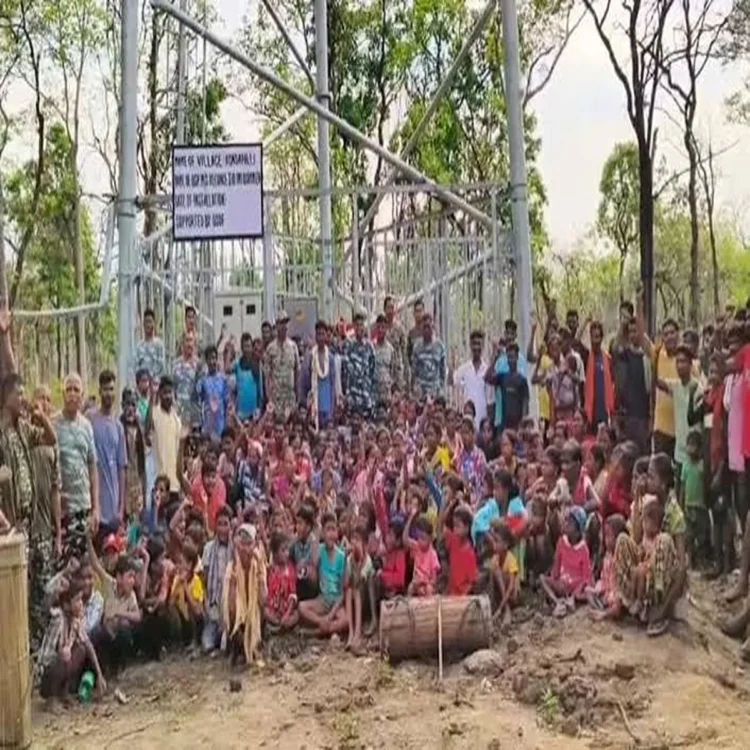
Infrastructure Work Takes Priority
Bastar Collector Aakash Chhikara said the district administration is working to restore essential facilities in areas where residents had left their homes because of insecurity. The focus, he said, is on ensuring that families returning to remote villages can access basic services and live with greater safety and dignity.
According to Chhikara, road construction is a key part of the rehabilitation plan. Under Phase 4, Batch 1 of the Pradhan Mantri Gram Sadak Yojana, projects covering 236 kilometres of roads have received approval. A further 292 kilometres of road work has been proposed under Batch 2.
He said the expansion of connectivity is expected to improve access to schools, healthcare centres, markets and government services in villages that remained isolated for years due to the conflict.
Security Gains Encourage Residents to Return
Residents in several villages say the decline in violence has encouraged families to consider returning to the places they had left behind. Many had moved to other areas after facing threats, intimidation and uncertainty during the years when Maoist activity was widespread in the region.
Fuldev Thakur, a resident of Koleng-Chhinggur village, said a large number of households had left the area in the past. The village once had around 107 households, but nearly 60 to 70 families had moved away during the period of violence.
He said more than 30 families have already returned, while others are making plans to come back. For many of them, returning to their original village is important because they had no agricultural land or permanent livelihood options elsewhere.
Thakur said residents are now trying to restore their homes and restart daily life in the village. The return of families, he added, has brought renewed activity to the community after years of displacement.
Housing and Public Facilities Being Restored
The Chhattisgarh government earlier said that the improving situation in Bastar has allowed displaced people to return to villages such as Balebeda and Garpa. Families returning to these locations are being provided assistance under the Pradhan Mantri Awas Yojana to help construct or repair homes.
Authorities are also working to revive public infrastructure that had deteriorated or remained unused after villages were abandoned. This includes schools, drinking water systems, internal roads and other facilities required for regular community life.
Officials believe the restoration of these services will be necessary to ensure that returning families can remain in their villages over the long term. The administration is also expected to coordinate with local departments to identify gaps in education, health access and livelihood support.
Long-Term Rehabilitation Remains Key
While the return of displaced families is being seen as a positive development for Bastar, the rehabilitation process will depend on sustained infrastructure work and continued security support. Several villages in the region remain difficult to access, making road construction and basic service delivery especially important.
The government’s current focus is to help former residents settle back into their communities without facing the conditions that once forced them to leave. For families returning after years away, the rebuilding of homes, roads and public facilities represents a step towards restoring stability in their native villages.