
Aviation – Delhi Airport Strengthens Position as Major Transit Hub
Aviation – Delhi’s aviation network continued to expand significantly in May, with a growing number of passengers using the city as a connecting point for domestic and international journeys. The latest figures highlight the increasing importance of the national capital’s airport as a central gateway linking destinations across India and overseas.
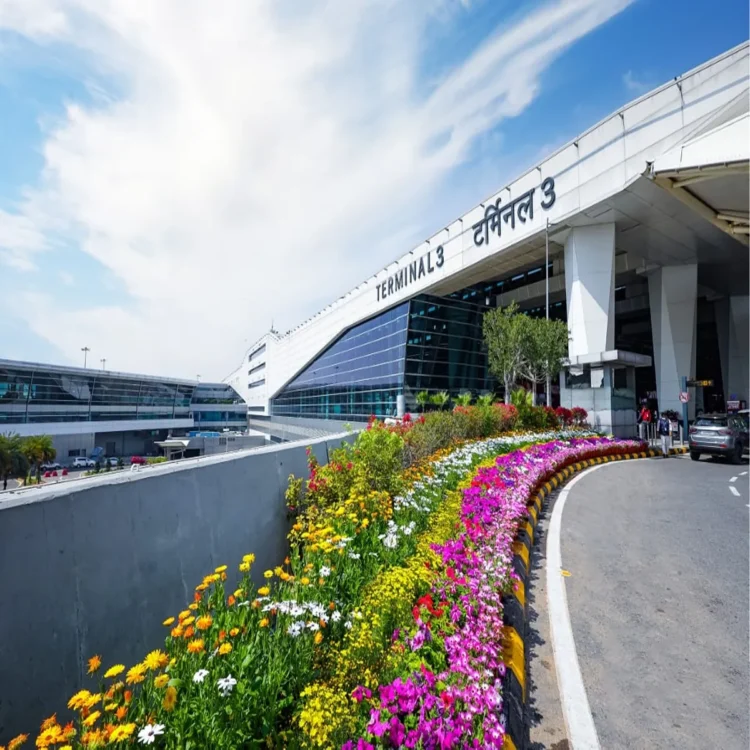
Transfer Passenger Numbers Register Strong Growth
According to data released by the operator of Indira Gandhi International Airport, nearly 1.9 million passengers traveled through the airport as transit flyers during May. Out of the total passenger movement of 7.14 million recorded during the month, transfer travelers represented around 27 percent of overall traffic.
The airport reported that this equates to an average of approximately 56,000 connecting passengers every day. The latest numbers reflect a noticeable increase compared to April, when transfer traffic stood at about 1.54 million passengers, accounting for 23 percent of the monthly total.
Officials also pointed to a significant year-on-year improvement. In May 2025, transit passengers made up roughly one-fifth of overall traffic, while their share climbed to 27 percent in May 2026, demonstrating sustained growth in connecting travel demand.
Domestic Routes Continue to Drive Transit Traffic
Domestic connections remained the primary contributor to transfer passenger movement. Airport authorities stated that passengers switching between flights within India accounted for 61 percent of all transit traffic handled during the month.
This trend underscores Delhi’s role in linking major metropolitan regions with emerging business centers, tourism destinations, and smaller cities. Among the frequently used connecting routes were Pune–Delhi–Srinagar, Srinagar–Delhi–Pune, and Kolkata–Delhi–Srinagar, which continued to attract substantial passenger volumes.
Industry observers note that improved flight schedules and broader airline networks have helped strengthen Delhi’s position as a preferred stopover point for travelers moving across different parts of the country.
International Connections Show Increasing Momentum
Alongside domestic growth, the airport also witnessed rising demand for international transit travel. Several routes recorded strong passenger movement through Delhi, including Ahmedabad–Delhi–Toronto, Phuket–Delhi–London Heathrow, Dubai–Delhi–Patna, and Kathmandu–Delhi–Tokyo.
Airport officials said these travel patterns demonstrate the growing role of Delhi as a strategic link between South Asia and major destinations in North America, Europe, the Middle East, and the Asia-Pacific region.
The expanding transit ecosystem has also been supported by leading airline operators. Carriers such as IndiGo, Air India, and Air India Express continue to contribute a substantial share of connecting passenger traffic through the airport.
Airport Leadership Highlights Hub Expansion
Pradeep Panicker, Chief Executive Officer of Delhi International Airport Ltd, said the continued rise in transfer traffic reflects the confidence airlines and travelers place in the airport’s connectivity and operational capabilities.
He noted that more than one out of every four passengers passing through the airport now uses it as a transit point. According to him, the trend reinforces Delhi’s standing as one of the country’s most important aviation centers at a time when India remains among the fastest-growing air travel markets in the world.
Industry Challenges Remain in Focus
Despite the positive growth trajectory, the aviation sector continues to face operational pressures. Factors such as geopolitical tensions in West Asia and elevated aviation turbine fuel costs remain key challenges for airlines and airport operators.
Even so, Delhi International Airport Ltd said it is working closely with domestic and international carriers to improve connectivity, coordinate route networks, and enhance services for connecting travelers. The airport aims to further strengthen its role as one of the region’s largest and most important transit hubs while supporting future growth in passenger demand.