
Art – Folk Painter Calls for Global Platform to Preserve Patachitra Tradition
Art – A renowned folk artist from West Bengal has appealed to both central and state authorities to create wider opportunities for traditional performers to present their work on international platforms. The artist stressed that without structured support and visibility, many time-honoured art forms risk fading from public memory despite their cultural richness.
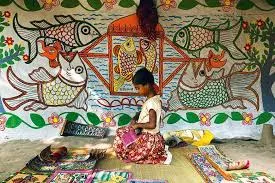
A Legacy Rooted in Storytelling and Tradition
Noordin Chitrakar, a national award-winning artist, highlighted the unique nature of Patachitra, a traditional scroll painting style that blends visual art with music. This centuries-old practice involves narrating stories through painted panels accompanied by songs, often inspired by mythological themes such as Krishna Leela, the Ramayana, and Goddess Durga.
According to Chitrakar, the art form is not limited to mythology. It also serves as a medium to spread awareness about pressing social concerns. Themes like child marriage, women’s empowerment, environmental protection, and road safety frequently appear in these works, making them both culturally significant and socially relevant.
Art Beyond Boundaries
Speaking about the role of artists in society, Chitrakar emphasized unity and humanity over divisions. He described art as a universal language that transcends religion and connects people through shared values. His family has been involved in this artistic tradition for generations, with each member contributing to its preservation and evolution.
He underlined that the survival of such heritage depends not only on artists but also on institutional support. Providing a global stage, he said, would help bring recognition and financial stability to practitioners while introducing international audiences to India’s diverse folk traditions.
Role of Family in Keeping the Tradition Alive
Chitrakar’s wife, Kalpana Chitrakar, who is also a national award recipient, shares his commitment to sustaining the art form. She described Patachitra as an integral part of their identity, passed down through generations. Their work continues to depict detailed narratives from epics like the Mahabharata and Ramayana, ensuring that these stories remain accessible to future audiences.
Kalpana noted that while passion drives their efforts, better marketing and exposure are essential for the growth of the craft. Increased visibility could open new opportunities for artists and encourage younger generations to take up the tradition.
Unique Features of Patachitra Art
Patachitra stands out for its bold outlines, vibrant colours, and intricate detailing. Each artwork typically fills the entire canvas with figures and decorative patterns, reflecting aspects of rural life, folklore, and cultural practices. In West Bengal, the style often incorporates tribal influences, adding to its distinct identity.
What makes this art form particularly special is its performative element. Artists do not merely display their paintings; they sing “Patua Sangeet” to narrate the stories depicted in the scrolls. These songs, usually composed in local dialects, provide context and bring the artwork to life for audiences.
Need for Institutional Support
Artists believe that with proper backing from government bodies, Patachitra can gain wider recognition beyond regional boundaries. Initiatives such as exhibitions, digital platforms, and international collaborations could help preserve the art while making it economically sustainable.
As traditional art forms compete with modern entertainment and changing lifestyles, structured efforts to promote them become increasingly important. For artists like Chitrakar and his family, such support is not just about recognition—it is about safeguarding a living tradition for generations to come.