
AmitShahVisit – Home Minister’s Kashmir Tour Draws Political and Security Focus
AmitShahVisit – Union Home Minister Amit Shah is set to arrive in Jammu and Kashmir on February 5 for a three-day visit aimed at reviewing the region’s security environment, monitoring development initiatives, and engaging with political representatives. The visit has drawn varied reactions from across the political spectrum, reflecting a mix of approval, expectations, and unresolved concerns tied to governance and political processes in the Union Territory.
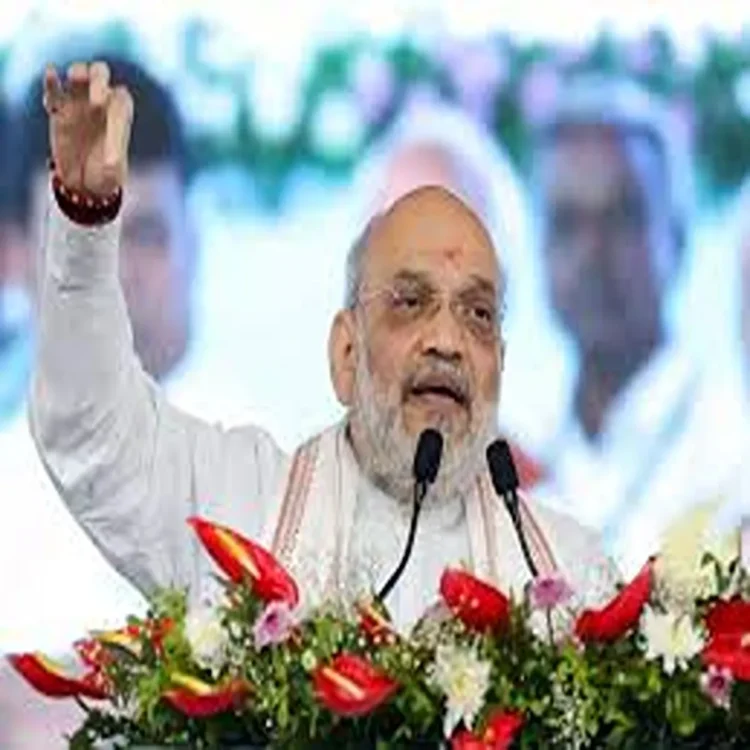
Senior officials said the schedule includes detailed assessments with top security and administrative leadership, focusing on law and order conditions as well as the pace of infrastructure and governance-related projects currently underway.
Security Review and Administrative Assessments
According to officials familiar with the programme, the Home Minister will chair high-level meetings with security agencies and civil administration to examine the prevailing security scenario. These discussions are expected to include counter-terror operations, border management, and coordination between agencies operating across the region.
The visit will also review the implementation of development projects, including road connectivity, public service delivery, and welfare schemes. The Centre has repeatedly highlighted Jammu and Kashmir as a priority area for infrastructure growth and administrative reforms, particularly following its reorganisation in 2019.
BJP Leaders See Reassurance in the Visit
Bharatiya Janata Party leaders in Jammu and Kashmir described the visit as a strong message of the Centre’s continued engagement with the region. BJP MLA Vikram Randhawa said the presence of the Home Minister sends a clear signal to both citizens and security personnel.
He noted that such visits help reinforce coordination on the ground and raise the morale of security forces. Randhawa added that the Centre’s position on maintaining stability and taking firm action against terrorism remains unchanged, and the visit underlines that approach.
PDP Calls for Political Engagement Alongside Security
Leaders from the Peoples Democratic Party offered a more measured response, acknowledging the administrative importance of the visit while stressing the need for political engagement. PDP MLA Syed Muntazir Mehdi described the Home Minister’s tour as a routine exercise from an administrative standpoint.
He said that while security and governance reviews are necessary, long-term peace in Jammu and Kashmir depends on restoring political processes and holding sustained dialogue with local stakeholders. Mehdi emphasised that political outreach should accompany administrative oversight to ensure durable stability.
Concerns Raised Over Safety of Kashmiris Outside the Region
Another PDP legislator, Waheed Para, welcomed the visit but highlighted concerns unrelated to internal security reviews. He pointed to reports of alleged hate crimes targeting people from Jammu and Kashmir, particularly students studying in other states.
Para urged the Union government to address these incidents and put preventive mechanisms in place. He said assurances regarding the safety and dignity of Kashmiri residents outside the Union Territory would help ease growing anxieties among families.
Demand for Restoration of Statehood
From the National Conference, MLA Hasnain Masoodi expressed hope that the visit would reopen discussions on political commitments made earlier. He reiterated the party’s demand for the restoration of statehood, which was promised after Jammu and Kashmir was reorganised into a Union Territory.
Masoodi said that clarity on the timeline and framework for restoring statehood remains a key concern for political parties and residents alike, and visits by senior central leaders offer an opportunity to address these expectations.
Visit Seen as Timely by Officials
Government officials described the Home Minister’s visit as significant, coming at a time when the administration is balancing security priorities with development goals and political outreach. They said such engagements help the Centre take stock of ground realities while reinforcing coordination between local and national institutions.
As the three-day programme unfolds, attention will remain on whether the discussions extend beyond security and development to include concrete political assurances sought by regional parties.