
Agriculture – Supreme Court Seeks Government Response on MSP Cost Calculation Concerns
Agriculture – The Supreme Court on Monday took up a petition raising concerns over how the minimum support price (MSP) is determined, particularly focusing on whether the actual cost of cultivation reported by States is being properly considered. The court issued notices to the Union government and other concerned bodies, seeking their responses on the matter.
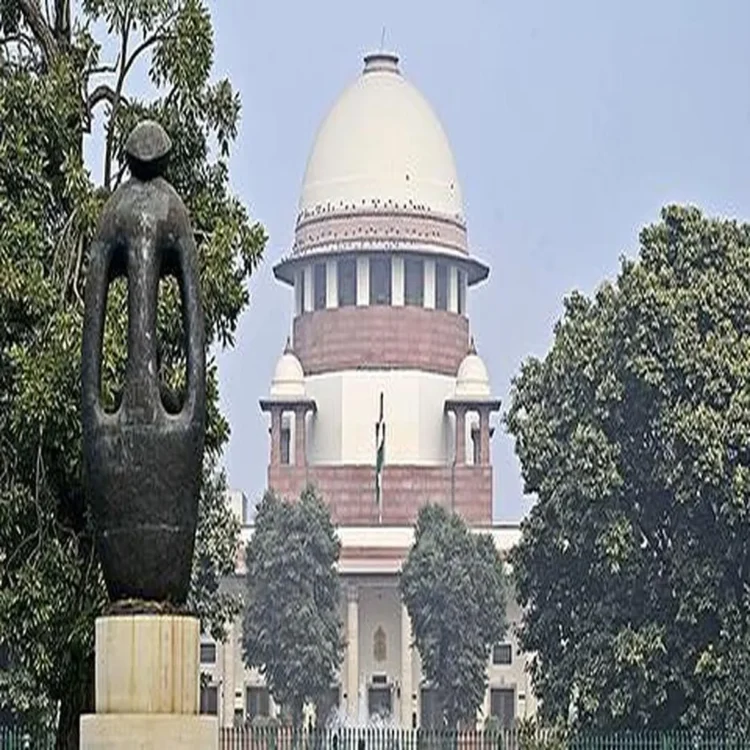
Court Examines Concerns Over MSP Calculation
A Bench led by Chief Justice Surya Kant, along with Justice Joymalya Bagchi, reviewed the plea and called for replies from multiple stakeholders, including the Commission for Agricultural Costs and Prices. The petition argues that the current process of fixing MSP may not fully reflect the real expenses borne by farmers in different regions.
The court’s notice indicates that it is willing to examine whether the methodology used in calculating MSP adequately incorporates ground-level data provided by States. This issue has been a subject of ongoing debate, especially among farming communities who often highlight rising input costs.
Petition Highlights Farmers’ Financial Challenges
During the hearing, advocate Prashant Bhushan, representing the petitioners, emphasized that the issue directly impacts farmers nationwide. He pointed out that ensuring a fair MSP is essential for protecting farmers’ livelihoods, especially in a context where agricultural costs continue to fluctuate.
According to the plea, failing to account for the actual cost of cultivation could result in farmers receiving prices that do not cover their expenses. This, the petition argues, undermines the purpose of MSP, which is intended to provide a safety net against market volatility.
Demand for Comprehensive Procurement at MSP
The petition goes beyond the calculation aspect and also seeks directions for the government to ensure full procurement of all notified crops at the declared MSP. It argues that even when MSP is announced, many farmers are unable to sell their produce at those rates due to limited procurement mechanisms.
The plea calls for a system where every farmer willing to sell at MSP is able to do so without restrictions. It stresses that partial procurement leaves a significant portion of farmers dependent on market prices, which can often be lower than MSP.
Broader Implications for Agricultural Policy
The issue raised in the petition touches on larger questions about agricultural policy and price support systems in the country. MSP has long been considered a crucial tool to stabilize farm incomes, but concerns over its implementation and coverage persist.
If the court decides to intervene, it could lead to changes in how MSP is calculated and implemented, potentially affecting both policy frameworks and procurement practices. Experts note that aligning MSP with actual cultivation costs may require more detailed and region-specific data collection.
Awaiting Government and Institutional Responses
With notices issued, the next phase of the case will depend on the responses submitted by the Union government and other authorities. Their submissions are expected to clarify the current methodology used in MSP determination and address the concerns raised in the petition.
The outcome of this case could have significant implications for farmers across the country, especially those who rely heavily on MSP as a financial safeguard. For now, the matter remains under judicial consideration, with further hearings likely to shape the direction of the debate.