
Aadhaar – Supreme Court Seeks Replies on Alleged Misuse of Identity Document
Aadhaar – The Supreme Court on Tuesday sought responses from the Central Government, state governments, and Union Territories after a petition raised concerns over the alleged misuse of Aadhaar cards beyond their intended purpose. The petition argues that Aadhaar, issued by the Unique Identification Authority of India (UIDAI), is increasingly being treated as proof of citizenship, domicile, residence, and age despite legal provisions stating otherwise. The petitioner has requested the court to ensure that Aadhaar remains limited to identity verification.
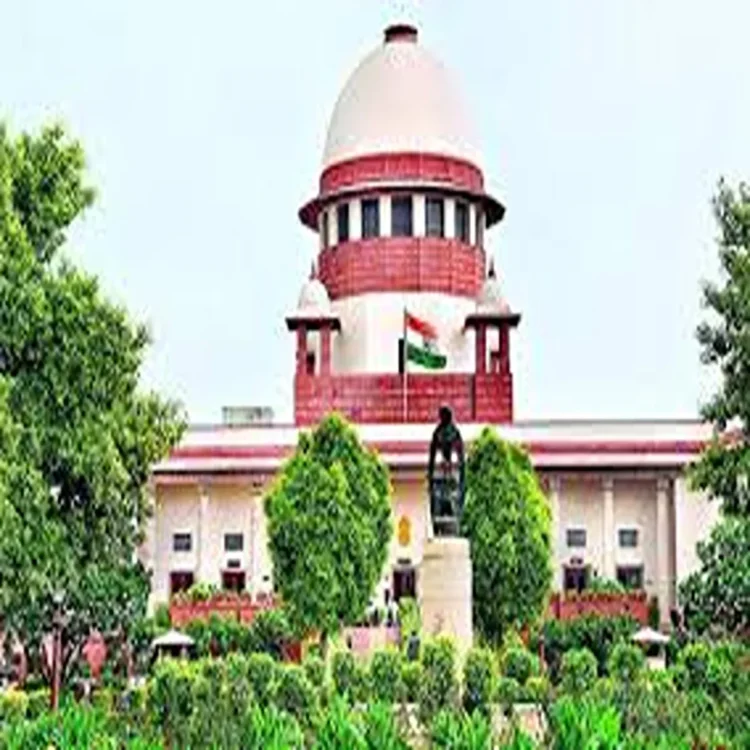
Court Issues Notices to Governments
A bench headed by Chief Justice Surya Kant and Justice V. Mohan examined the matter and issued notices to the Centre as well as all states and Union Territories. The case has also been linked with similar petitions that are already pending before the court. The judges have asked the concerned authorities to submit their responses regarding the issues raised in the plea.
Petition Challenges Wider Use of Aadhaar
The petition, filed by advocate Ashwini Kumar Upadhyay through advocate Ashwani Dubey, seeks directions for the Centre, state governments, and the Election Commission to prevent Aadhaar from being used as proof of citizenship, domicile, address, or date of birth. According to the petitioner, Aadhaar was created solely as a means of identity verification and should not be relied upon for purposes that go beyond its legal scope.
The plea points to provisions under the Aadhaar Act, 2016, which clearly state that the document cannot be considered evidence of citizenship or domicile. It also refers to a notification issued by UIDAI in August 2023 that clarified Aadhaar serves only as proof of identity and should not be treated as proof of citizenship, address, or birth details.
Concerns Over Voter Registration Process
One of the key issues highlighted in the petition relates to voter registration procedures. The petitioner has questioned the acceptance of Aadhaar as supporting evidence for date of birth and residence in Form-6, which is used for enrolling new voters. According to the plea, such usage may conflict with provisions of the Aadhaar Act, the Representation of the People Act, 1950, and constitutional principles related to equality before the law.
The petition argues that relying on Aadhaar in this manner could weaken existing verification standards. It claims that the current process may allow individuals without adequate supporting documentation to enter electoral records, raising concerns about the accuracy of voter databases.
Allegations Regarding Document Procurement
The plea further states that Aadhaar is frequently accepted during processes such as school admissions, property transactions, and applications for government-issued documents including birth certificates, ration cards, and driving licences. According to the petitioner, this practice has expanded the role of Aadhaar beyond what lawmakers originally intended.
The petition alleges that the broader acceptance of Aadhaar for multiple purposes could potentially enable unauthorized individuals to obtain official documents. It argues that stronger verification mechanisms are necessary to prevent misuse and ensure compliance with existing legal provisions.
Proposal for Monitoring and Reforms
In addition to seeking judicial directions, the petition has recommended major reforms to the verification framework used in electoral processes. It proposes the formation of a high-level monitoring committee to oversee improvements and strengthen document verification standards.
The suggested committee would include a retired Supreme Court judge along with experts in cybersecurity and forensic analysis. According to the plea, such a body could help review current procedures, identify gaps, and recommend safeguards aimed at improving the integrity of electoral and administrative systems.
The matter is expected to be heard further after the Centre, states, Union Territories, and other concerned authorities file their responses before the Supreme Court.