
InfantCare – Doctors Explain Why Water Is Not Recommended Before Six Months
InfantCare – As temperatures rise, many new parents begin to worry about whether their baby is getting enough fluids. One of the most common questions is whether an infant should be given water when they cry frequently, especially during hot weather. Pediatric experts say this concern is understandable, but giving water to babies under six months of age is generally not recommended.
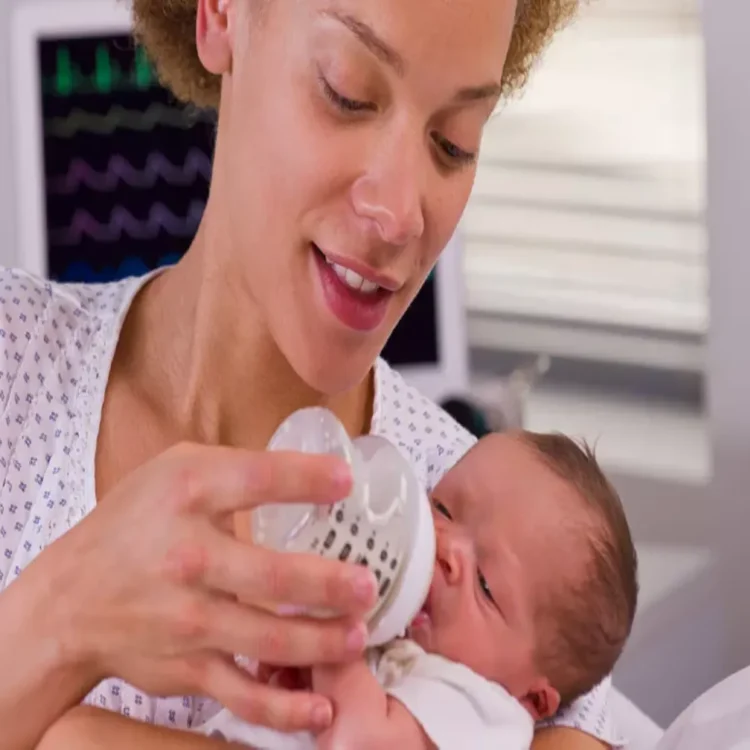
Crying Does Not Always Mean Thirst
Many parents assume that a crying baby may be thirsty and therefore needs water. However, doctors point out that infants cry for a variety of reasons. Hunger, tiredness, discomfort from a wet diaper, feeling too warm, or simply wanting attention can all cause a baby to become fussy. For this reason, experts advise parents not to interpret every episode of crying as a sign of thirst.
Why Milk Alone Is Recommended for the First Six Months
According to pediatric specialists, babies from birth to six months should receive only breast milk or formula milk. During this stage, an infant’s stomach is very small and is designed to be filled with nutrient-rich milk rather than water.
Breast milk and formula provide the calories, vitamins, minerals, and hydration that a baby needs for healthy growth and development. If water is given, it can fill the baby’s stomach and reduce their desire to drink milk, potentially leading to lower nutrient intake.
Potential Risks of Giving Water Too Early
Health experts caution that water is not always harmless for very young infants. A baby’s kidneys are still developing during the first few months of life and may not be able to process excess water efficiently. As a result, giving water before six months can place unnecessary strain on the body.
Because of these developmental factors, pediatricians consistently recommend avoiding water for babies younger than six months unless specifically advised by a healthcare professional.
Is Extra Water Needed During Hot Weather?
This is one of the questions doctors hear most often during the summer season. In most normal conditions, the answer is no.
Breast milk and formula milk contain a high percentage of water, typically around 85 percent. This means babies receive adequate hydration through their regular feedings. Even during warm weather, healthy infants generally do not require additional water if they are feeding normally.
When Can Babies Start Drinking Water?
Water can gradually be introduced once a baby begins eating solid foods, usually around six months of age. Experts recommend offering small amounts rather than replacing milk feeds.
For babies between six and nine months old, around 30 milliliters of water may be offered after solid meals, with a total daily intake of roughly 100 to 150 milliliters. Between nine and twelve months of age, babies can usually have about 60 milliliters after meals, with a daily total of approximately 200 to 250 milliliters, depending on their diet and individual needs.
Guidance for Parents
Doctors emphasize that breast milk or formula remains the primary source of nutrition throughout the first year of life. Parents who are uncertain about feeding practices or hydration concerns should consult a pediatrician rather than introducing water on their own. Following age-appropriate feeding recommendations can help support healthy growth and development during a baby’s earliest months.