
Law – Supreme Court Allows Lawyer to Withdraw Multiple PIL Petitions
Law – A lawyer who had earlier faced sharp criticism from the Supreme Court for filing what it described as “baseless” and “unnecessary” public interest litigations has now chosen to withdraw several of his pending petitions. The decision came during a hearing on Thursday, where the court permitted him to step back from a portion of the cases he had filed.
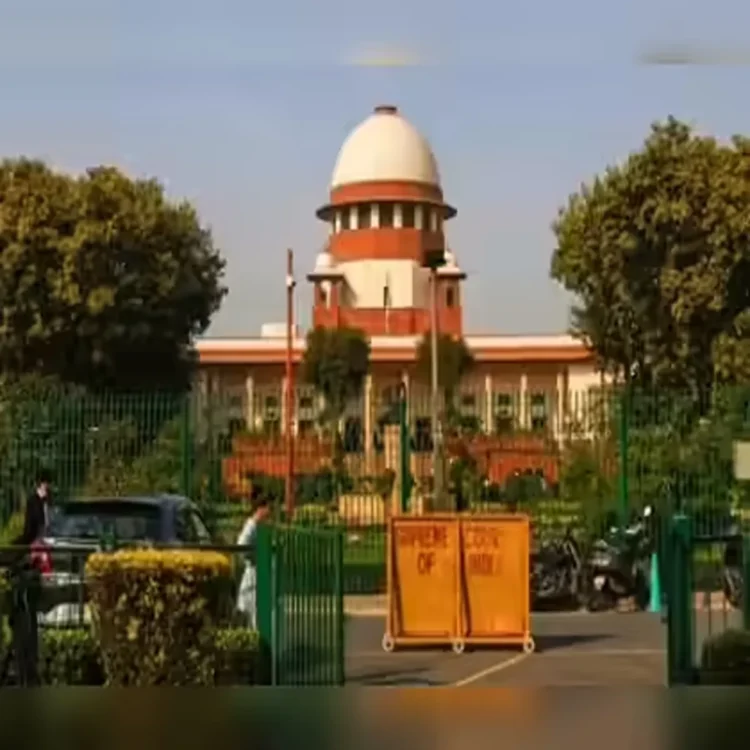
Court Permits Withdrawal of 17 Petitions
Advocate Sachin Gupta informed the bench that he wished to withdraw 17 out of the 47 public interest litigations he had submitted. He stated that he intended to first approach the relevant government or regulatory authorities before pursuing the matters further in court.
The bench, led by the Chief Justice and accompanied by two other judges, accepted his request and allowed the withdrawal. Gupta, appearing in person, made it clear that he would follow a more structured process by taking his concerns to appropriate forums before seeking judicial intervention.
Earlier Advice from the Supreme Court
This development follows an earlier hearing on April 10, when 25 other petitions filed by Gupta were listed before the court. At that time, the judges had advised him to avoid directly approaching the apex court without first exhausting available administrative remedies.
The court had emphasized that such petitions could be considered later if the situation warranted judicial review. Based on that guidance, Gupta had withdrawn those 25 petitions as well.
Strong Criticism in Previous Hearing
The lawyer’s filings had previously drawn strong remarks from the bench. On March 9, the court examined five of his petitions and found them to be lacking substance. Among them was a plea seeking a scientific study into claims that certain food items like onion and garlic possess “negative energy.”
The judges questioned the seriousness of such submissions and expressed concern over the increasing number of petitions that did not meet the required legal standards. The Chief Justice had remarked on the casual manner in which some of the petitions appeared to have been drafted, suggesting that they were vague and unsupported by credible evidence.
Other Petitions Also Dismissed
In addition to criticizing some of the filings, the court had also dismissed four other petitions submitted by Gupta. One of these sought regulation of content in alcohol and tobacco products, claiming potential harm. However, the bench found insufficient grounds to proceed with the plea at that stage.
The court reiterated that public interest litigation is an important legal tool meant to address genuine public concerns. However, it also stressed that such petitions must be carefully prepared, backed by facts, and filed with a clear understanding of legal principles.
Emphasis on Responsible Use of PIL Mechanism
The recent proceedings highlight the judiciary’s effort to ensure that the PIL system is not misused. Courts have repeatedly underlined that while access to justice should remain open, it must not be burdened with cases that lack merit or seriousness.
By allowing the withdrawal of these petitions, the court has given the petitioner an opportunity to reconsider his approach and follow due process by engaging with appropriate authorities first. This step is seen as a way to maintain the balance between accessibility and judicial efficiency.
The case also serves as a reminder to litigants and legal practitioners about the responsibility that comes with filing public interest cases. Courts continue to encourage meaningful and well-researched petitions that address genuine issues affecting the public.