
Immigration – Transgender Tamil Scholar Wins Seat in Scottish Parliament
Immigration – A major political development in Scotland has brought renewed attention to immigration policies, identity politics, and representation in public office after a transgender doctoral student from Tamil Nadu secured a place in the Scottish Parliament.
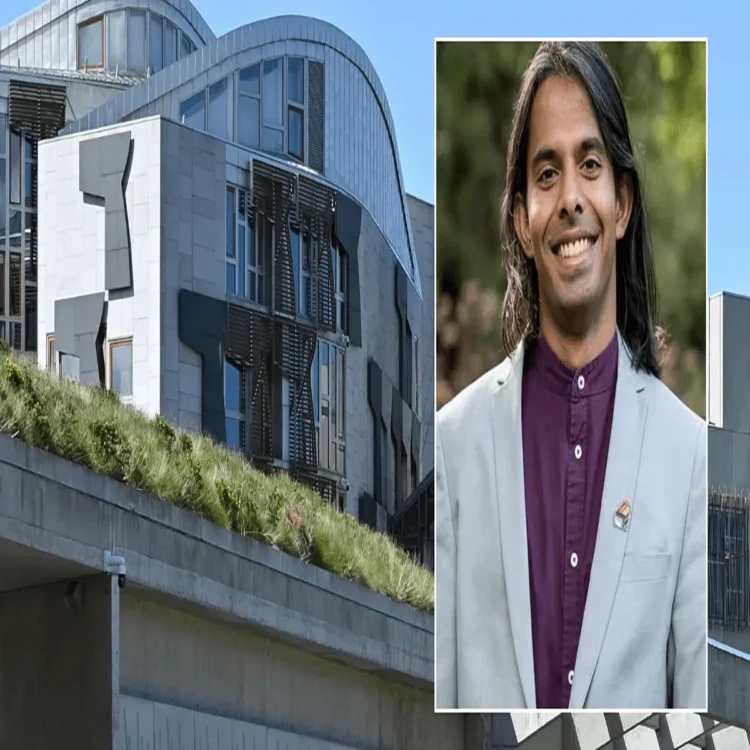
Q Manivannan, a non-binary research scholar pursuing a PhD in Scotland, has become one of the newest Members of the Scottish Parliament following the recent regional election results announced on May 9. Representing the pro-independence Scottish Greens, Manivannan was elected from the Edinburgh and Lothians East regional list.
Historic Victory Draws National Attention
The election result has been widely discussed across political circles in the United Kingdom because of Manivannan’s background as both an immigrant and a transgender public figure. During a speech after the victory, Manivannan introduced themselves as a “transgender Tamil immigrant” and highlighted the importance of inclusive politics.
Addressing supporters, the newly elected parliamentarian said political systems should create space for individuals who have traditionally remained excluded from positions of influence. The speech quickly gained attention on social media platforms and among advocacy groups supporting diversity in governance.
Originally from Tamil Nadu, Manivannan moved to Scotland in 2021 on a student visa to study international relations at the University of St Andrews. Alongside academic work, they have also remained active in social and political campaigns linked to human rights and migrant representation.
Visa Status Becomes Political Talking Point
The election has also triggered fresh criticism from anti-immigration groups and conservative political voices in Britain. Some opponents questioned the eligibility rules that allowed a foreign national on a student visa to contest parliamentary elections in Scotland.
Robert Jenrick, a senior figure associated with immigration control policies in the UK, publicly argued that people residing in the country on temporary visas should not be able to hold elected office in national legislatures.
Migration Watch, a pressure group that advocates stricter immigration rules, also called for changes to existing laws permitting Commonwealth citizens to vote and contest elections in Britain.
Under Scottish electoral rules, Commonwealth nationals legally residing in Scotland can stand for elections even if they do not possess permanent residency status or indefinite leave to remain. This provision enabled Manivannan’s candidature.
Scottish Greens Defend Inclusive Policies
Leaders of the Scottish Greens strongly defended the election outcome and the legal framework supporting it. Party representatives stated that Manivannan fulfilled all eligibility conditions and had every right to participate in the democratic process.
Scottish Greens co-leader Gillian Mackay confirmed that the party would support Manivannan through the upcoming visa renewal process. Since doctoral students in the UK can apply for a Graduate Visa after completing studies, the immigration procedure is expected to continue during the parliamentary term.
Party officials also criticised the broader UK immigration system, describing it as costly and unnecessarily restrictive for international students and migrants contributing to British society.
Campaign Focused on Representation and Care
Throughout the election campaign, Manivannan presented a platform centred on social inclusion, migrant rights, public welfare, and community support. Campaign material described them as an arts worker, disability and health advocate, former United Nations worker, and co-convenor of the Scottish Green Party’s Palestine Solidarity Group.
After the election victory, Manivannan posted on social media that the criticism surrounding their identity only strengthened their determination to speak more openly in public life.
Supporters of the Scottish Greens have described the result as a reflection of changing political attitudes in Scotland, where debates around immigration and representation continue to shape public discussion.
The Scottish Greens performed strongly in the recent elections, improving their position not only in Scotland but also in several local councils across England. Political analysts believe the party’s emphasis on climate policy, social equality, and inclusive governance helped expand its support base among younger and progressive voters.