
WarStrategy – Gulf Nations Push US to Intensify Pressure on Iran
WarStrategy – The ongoing conflict involving the United States and Iran has entered a critical phase, with key Gulf nations urging Washington to maintain, and even intensify, its military campaign. According to officials familiar with private discussions, countries such as Saudi Arabia and the United Arab Emirates believe that the current operations have not sufficiently weakened Tehran’s leadership or its strategic capabilities.
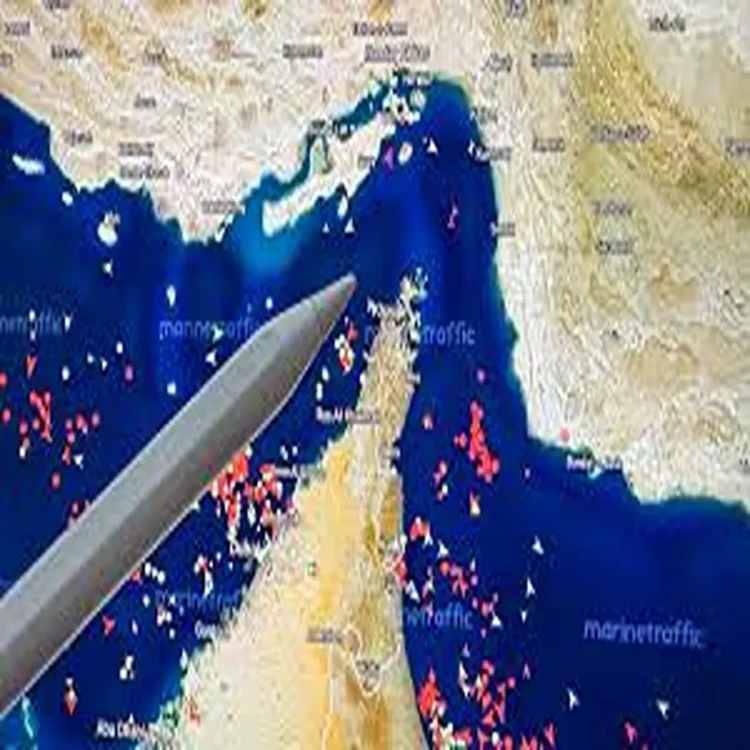
Gulf Allies Advocate Extended Military Campaign
In recent weeks, senior representatives from Saudi Arabia, the UAE, Kuwait, and Bahrain have conveyed to US leadership that ending the conflict prematurely could undermine long-term regional security. These nations argue that the present moment offers a rare opportunity to significantly curb Iran’s influence and reshape its regional posture.
While there had been initial dissatisfaction among Gulf states over limited prior consultation before the conflict began, their stance has gradually shifted. They are now pressing for sustained action until meaningful political or military changes are observed within Iran.
Diverging Views Within the Region
Despite broad alignment, not all Gulf countries share identical views. Saudi Arabia and the UAE have taken a more assertive position, advocating stronger military measures. The UAE, in particular, is reported to support the possibility of expanded ground operations.
Kuwait and Bahrain are also seen as supportive of tougher action, although their public positions remain measured. In contrast, Oman and Qatar have continued to emphasize diplomatic engagement, reflecting their historical roles as intermediaries between Iran and Western nations.
Strategic Concerns Driving Gulf Positions
Regional leaders have outlined specific objectives they believe must be achieved before any resolution is considered. These include limiting Iran’s nuclear capabilities, dismantling its missile infrastructure, and ending its support for proxy groups across the Middle East.
Another critical concern is the security of the Strait of Hormuz, a vital global energy corridor. Prior to the conflict, a significant portion of the world’s oil supply passed through this route. Gulf countries insist that any future agreement must guarantee uninterrupted access and prevent potential blockades.
US Balancing Domestic and International Pressures
At the same time, the US administration faces challenges on multiple fronts. While expressing confidence in regional support, it is also navigating domestic skepticism about prolonged military involvement. The conflict has already resulted in significant casualties and has contributed to economic uncertainty worldwide.
Public messaging from US leadership has emphasized unity among Middle Eastern allies, highlighting their logistical and strategic support. However, these nations have so far refrained from direct participation in offensive operations, limiting their involvement to hosting bases and facilitating military activities.
Risks of Escalation and Regional Impact
The possibility of escalation remains a major concern. Iran has carried out numerous missile and drone attacks, some of which have affected civilian areas. Gulf countries, particularly the UAE, have faced repeated strikes, raising fears about economic stability and infrastructure security.
There is also apprehension about retaliatory actions targeting critical facilities, including energy installations and water infrastructure. Any such developments could have far-reaching consequences for both regional populations and global markets.
Uncertainty Over Next Phase of Conflict
Despite strong rhetoric and strategic alignment, questions remain about the next steps. The US has not formally requested Gulf nations to engage directly in combat, possibly to avoid operational complications and unintended incidents.
Additionally, the absence of a clearly defined end goal has contributed to hesitation among some regional actors. Analysts suggest that a major escalation or significant incident could alter this stance, potentially drawing more countries into active participation.
For now, Gulf nations appear committed to supporting the broader objectives of the campaign, while carefully weighing the risks associated with deeper involvement. The coming weeks are likely to be decisive in determining whether the conflict moves toward escalation or a negotiated settlement.